Will a Lab-Grown Diamond Hold Its Resale Value?
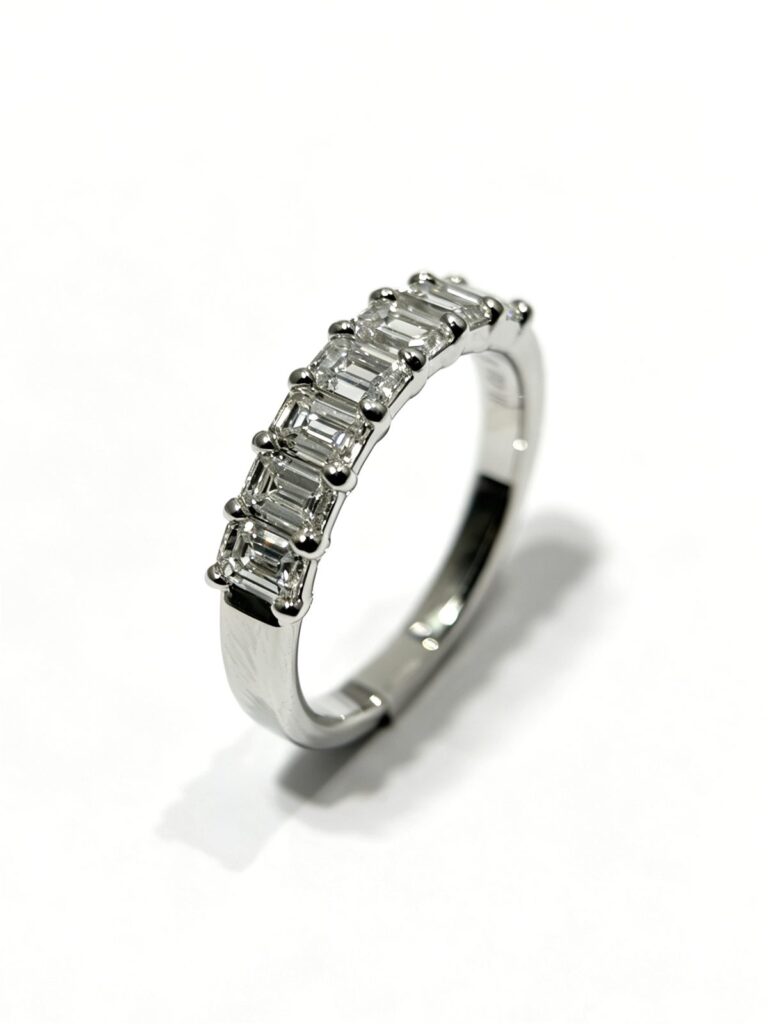
925 sterling silver jewellery, set with lab grown diamonds and made in our own Shenzhen workshop.
Talk · Buying & value
A buyer is choosing between a lab-grown and a mined diamond for an anniversary gift. They are drawn to the lab-grown price, but want to know what the stone would be worth if they ever had to sell it.
 ZKZ Editorial TeamMain answer · Product & gemmology desk
Plan on very little. Buy a lab-grown diamond because you want to wear it at the price you are paying, not as a store of value. The second-hand market is thin, many buyers of used diamonds do not purchase lab-grown stones, and a new replacement is easy to buy. Any resale offer is likely to be a small fraction of what you paid.
Why resale is weak
Fact Lab-grown diamonds are manufactured, and production can expand. GIA, explaining its 2025 move to a simpler Premium/Standard assessment for lab-grown stones, said that most laboratory-grown diamonds entering the market fall into a very narrow range of colour and clarity. A used stone therefore competes with a steady supply of similar new ones.
Fact Retail prices for jewellery, natural or lab-grown, include cutting, setting, design and the retailer’s costs. Resale is usually based on the loose stone alone, which is one reason any diamond tends to resell below its retail price.
How to buy sensibly anyway
- Set a budget you are comfortable spending outright.
- Prioritise cut quality and the look you want over chasing tiny grade differences.
- Keep the receipt and any report. They help with insurance, servicing and any future sale.
- Read the return policy and any upgrade or trade-in terms before buying, and get them in writing.
If you may need to sell later
Keep the stone’s report, the original invoice and any inscription details together. Ask the original seller first, since a buy-back or trade-in arrangement, if one exists, is usually the simplest route. Beyond that, expect to approach several buyers, because some will not make an offer on lab-grown stones at all, and offers can vary widely. A loose stone with an independent report is easier to describe and verify than one in a setting with no paperwork.
Where the limits are
Our advice Be wary of anyone describing lab-grown diamonds as an investment. Their main advantage is value at the time of purchase: a diamond, clearly described as lab-grown, for less money than a comparable mined stone.
Uncertain No one can reliably forecast future lab-grown prices. We are not quoting market price figures here because they change quickly and vary by source. If you insure the piece, update the valuation periodically, because replacement cost may change.
Sources
- GIA press release (Aug 2025): updated laboratory-grown diamond services
- FTC: In the Loupe, advertising diamonds, gemstones and pearls
Fact = stated by the cited source. Our advice = editorial recommendation. Uncertain / it depends = limits of what can be said in general.
Other perspectives from the ZKZ team
If resale or trade-in matters to you, ask the retailer before buying whether they offer buy-back or upgrade credit, what percentage applies and under what conditions. Many do not, and terms that exist are often tied to buying a more expensive replacement from the same seller.
A practical way to "protect value" is to spend less on the stone than you could and more on what lasts, such as a well-made setting you will keep wearing. The setting and the fit decide whether the piece stays in use, and that is the value you actually get from it.
Insurance and resale use different numbers. An insurance valuation estimates replacement cost; a resale offer reflects what a buyer will pay. Do not treat one as evidence of the other, and keep both documents with the original invoice.
Have a different question? Ask our team, or browse more answers in Talk.
Related products
Related articles & topics
- Are Lab-Grown Diamonds Really More Ethical? What to Ask the SellerTalk
- What Does a Lab-Diamond Grading Report Show, and Is a Seller's Report Enough?Talk
- Can a Lab-Grown Diamond Pass a Diamond Tester?Talk
- Do Lab-Grown Diamonds Get Cloudy or Lose Their Sparkle Over Time?Talk
- Can I Shower or Swim in Sterling Silver Lab-Diamond Jewelry?Talk
- CVD vs HPHT Lab Diamonds: What the Difference Means for BuyersGuide
- Sterling Silver Rings: How to Choose a Ring That LastsGuide
- Sterling Silver Hoops vs Studs: Weight, Comfort and Everyday WearGuide
- 925 Sterling Silver vs Sterling Silver: Is There a Difference?Guide
- How to Prepare a Jewelry Reorder SpecificationGuide
Recommended
 What is the difference between GIA, IGI and in-house reports for lab-grown diamonds?Talk
 What bracelet size should I order if I have a small, medium or large wrist?Talk
 What are flat-back studs, and who needs them for cartilage or sleeping?TalkWhat jewelry suits an engagement-party or bridal-shower gift?Talk
 Can nickel-free silver jewelry still cause a reaction?Talk
 What are the black spots on my silver jewelry, and are they damage or tarnish?Talk