OEM vs ODM Jewelry Manufacturing
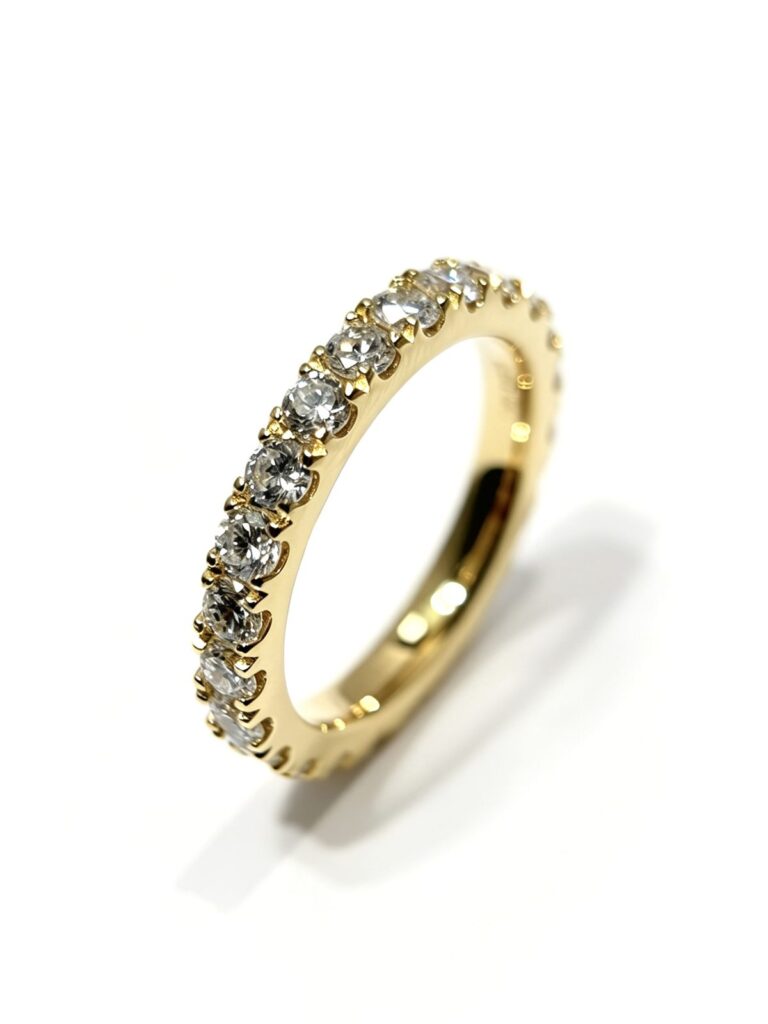
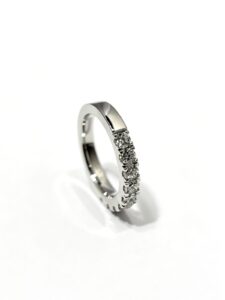
925 sterling silver jewellery, set with lab grown diamonds and made in our own Shenzhen workshop.
In jewelry manufacturing, OEM normally means the buyer supplies the design direction and specification for the factory to develop and produce. ODM starts from a supplier-developed design that the buyer selects and adapts. The right route depends on how much product control you need and how much development work the launch can support.
Last updated:
Decision map
| Review area | What it changes or proves | |
|---|---|---|
| Starting point | OEM: buyer brief | ODM: supplier design |
| Development load | Higher buyer input | Lower starting workload |
| Differentiation | Greater design control | Depends on allowed changes |
| Approval need | Full CAD and sample path | Adaptation and sample approval |
| Best use | Signature or protected line | Fast assortment building |
Use OEM for a design-led collection
OEM fits a brand that already knows the silhouette, dimensions, stone layout, metal and target price position. The workshop translates that brief into CAD and samples, then produces the approved specification. The buyer must be ready to make decisions and keep one person responsible for consolidated approval.
Use ODM for a faster starting point
ODM is useful when the collection can begin from an existing construction or design family. The buyer may adapt stones, finish, chain, size range, logo or packaging within the supplier’s available options. Confirm which features can change, whether the base design is sold to other buyers, and what makes your version distinct.
Do not confuse private label with exclusive design
Adding a logo or branded packaging does not automatically make a product exclusive. If exclusivity matters, define the design, territory, duration and ownership of drawings or molds in writing. A practical agreement should also explain what happens to approved production records when the relationship ends.
Compare the routes with one commercial brief
Give both routes the same target customer, retail position, metal, stone range, launch date and expected quantity. Then compare development work, sample rounds, customization limits and repeatability. A lower first quote may not be the lower-risk route if it leaves the specification unclear.
Build a record that survives reordering
Whether the source was OEM or ODM, the released product needs an approved CAD or drawing, stone schedule, finish standard, sample photographs, hallmark and packaging instruction. Store the revision used for production. That record is more useful than the label attached to the sourcing model.
Use the decision in a real project
Keep the brief, approved CAD, sample comments and production specification in one record. For material choices, use the 925 silver specification guide; for stone documentation, review lab grown diamond certification. When the specification is ready, send it through the project contact page for a manufacturing review.
Frequently Asked Questions
What is the main difference between OEM and ODM jewelry?
OEM begins from the buyer’s design and specification; ODM begins from a supplier-developed design that the buyer selects or adapts.
Is ODM jewelry always generic?
No. The amount of differentiation depends on the changes allowed to stones, finish, dimensions, findings, branding and packaging. Confirm exclusivity separately.
Which model is faster for a new collection?
ODM can reduce the initial design workload because it starts from an existing design, but timing still depends on modifications, sampling and approvals.
Who owns jewelry CAD in an OEM project?
Ownership and permitted use should be stated in the commercial agreement. Do not assume payment for development automatically settles every intellectual-property question.
Continue with the custom jewelry manufacturing guide to place this decision inside the full brief, CAD, sample and production sequence.
Recommended
 How do I design packaging that protects chains and earrings in transit?Custom Jewelry
 Is Lab Grown Diamond Jewelry a Good Investment?Buying Guides
 How do I vet a jewelry factory before placing a first order?Custom Jewelry
 What should a shipping policy for jewelry say?Custom Jewelry
 How do I choose a brand name and check it is not already used for jewelry?Custom Jewelry
 Should I pay a factory deposit by bank transfer or use an order-protection service?Custom Jewelry