Lab Grown Diamond Jewelry: The Complete Guide
925 sterling silver jewellery, set with lab grown diamonds and made in our own Shenzhen workshop.
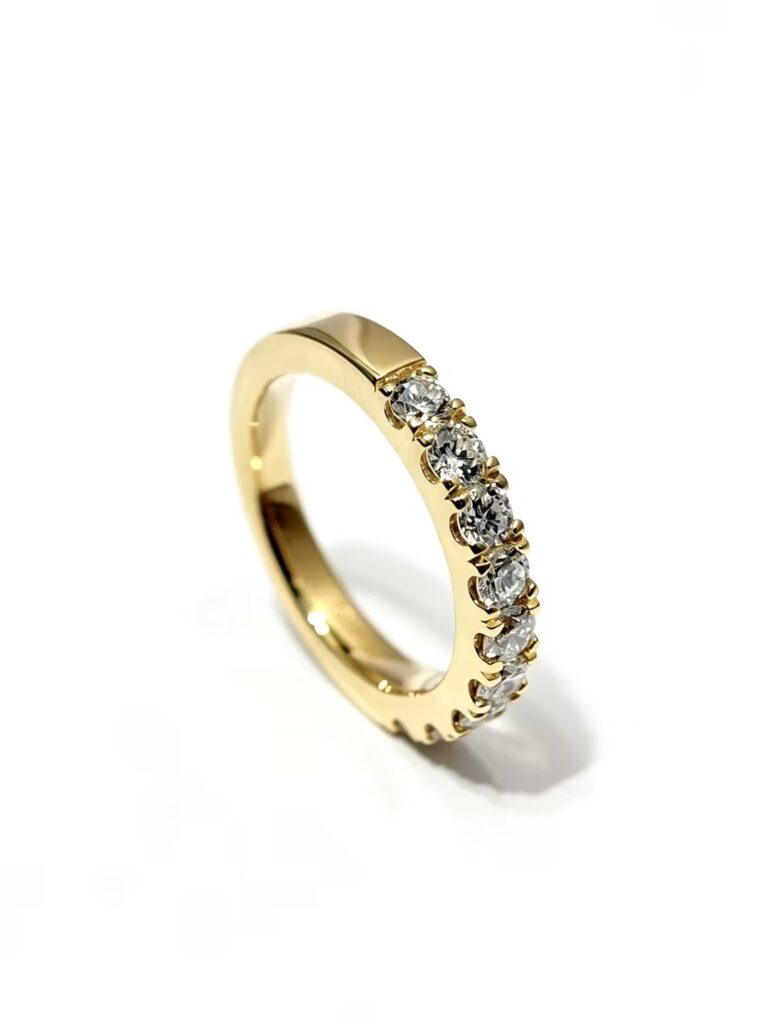
Lab grown diamonds are real diamonds: they have the same crystal structure, hardness and optical properties as mined diamonds, but they are created in a laboratory instead of forming underground over billions of years. That is why they look identical to the eye, test as diamonds, and cost significantly less. This guide covers how they are made, how to read certification, what drives price, and how to choose a piece.
Start here
- Lab grown diamond basics: CVD, HPHT, grading and price
- Lab grown diamond necklaces
- Lab grown diamond earrings
- Lab grown diamond rings and wedding bands
- Lab grown diamond bracelets
- Lab grown diamond pendants
- Diamond shapes and cuts compared
Lab grown vs natural diamonds
| Lab grown | Natural | |
|---|---|---|
| Origin | Grown in a lab (CVD or HPHT) | Mined |
| Chemical and optical properties | Identical to natural diamond | Identical to lab grown |
| Grading | IGI / GIA reports use the same 4Cs | IGI / GIA reports use the same 4Cs |
| Typical price | Substantially lower at the same size and grade | Higher, driven by scarcity |
| Resale value | Limited | Established market |
| Best for | Larger stones, everyday fine jewelry, design-led pieces | Investment and tradition-driven purchases |
How lab grown diamonds are made
CVD (chemical vapour deposition) grows a diamond layer from carbon plasma onto a thin diamond seed. HPHT (high pressure, high temperature) reproduces the conditions of natural diamond formation. Both produce genuine diamonds; the growth method is noted on some reports but does not change the 4Cs.
What to check on the certificate
- Carat weight, colour, clarity and cut grade — the same 4Cs used for natural diamonds.
- Measurements and proportions, which predict how lively the stone looks.
- Laser inscription on the girdle, matching the report number.
- Growth method and any treatments.
What drives the price of lab grown diamond jewelry
The stone is only part of the cost. Metal (925 silver, 10K/14K/18K gold, platinum), the setting style, the number of stones in a tennis or eternity piece, and finishing all matter. A single 1 ct solitaire pendant and a 5 ct tennis bracelet are very different products at very different price points. Ask for a breakdown by stone and by metal before you compare quotes.
Choose by piece
For a first piece, a pendant or a pair of studs gives the most wear per carat. Tennis bracelets and eternity bands are statement pieces where total carat weight matters more than any single stone. Engagement rings put the emphasis on the centre stone and the setting.
Frequently asked questions
Are lab grown diamonds real diamonds?
Yes. They are diamonds in crystal structure, hardness and optical behaviour; only their origin differs.
Do they test as diamonds?
They pass standard diamond testers. Distinguishing lab grown from natural requires specialised screening equipment, which is why certificates matter.
Are lab grown diamonds cheaper?
Yes, typically substantially cheaper at the same size and grade, which is why they are popular for larger stones and statement pieces.
Which is better, CVD or HPHT?
Neither is automatically better. Both produce real diamonds; compare the 4Cs and the certificate, not the growth method alone.
Recommended
 How to Tell If Silver Is Real: 6 Checks You Can Do at Home925 Silver Basics & Care
 925 Sterling Silver vs Sterling Silver: Is There a Difference?925 Silver Basics & Care
 What Does 925 Mean on Silver Jewelry?925 Silver Basics & Care
 Caring for 925 Sterling Silver Jewelry with Lab Grown Diamond Settings925 Silver Basics & Care
 How to Choose 925 Sterling Silver Jewelry for a Lab Grown Diamond LineBuying Guides