925 Sterling Silver vs Sterling Silver: Is There a Difference?
925 sterling silver jewellery, set with lab grown diamonds and made in our own Shenzhen workshop.
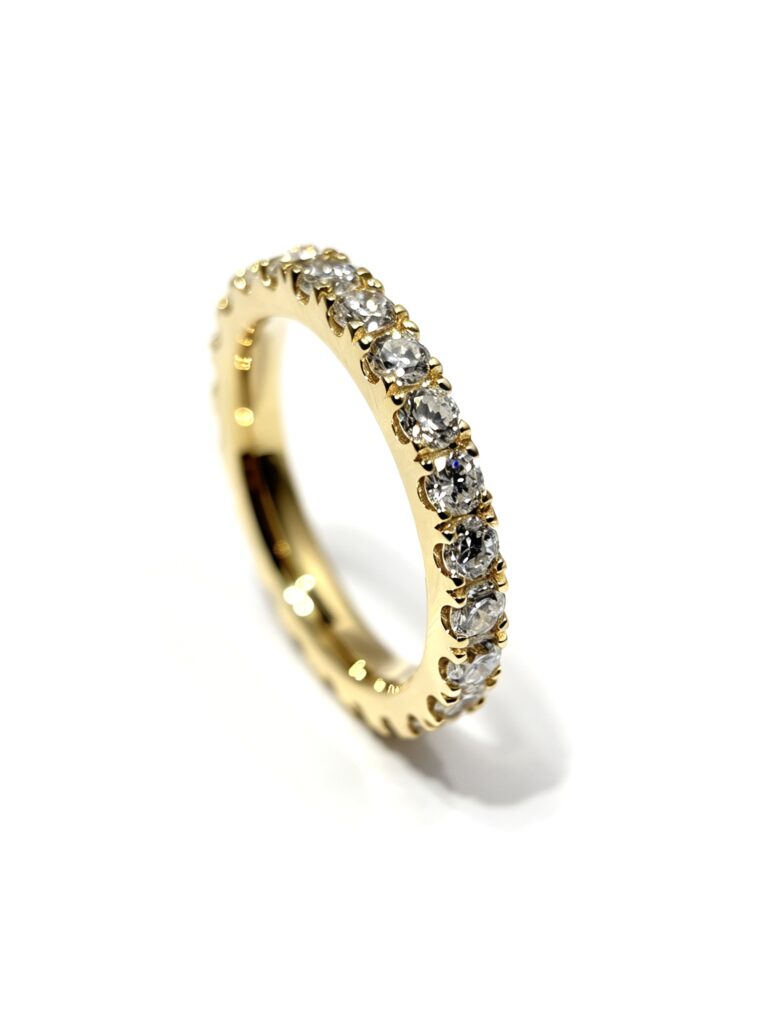
Two listings can sit side by side, one saying “sterling silver” and the other “925 sterling silver”, with different prices and different photographs. The wording suggests a quality difference. In most cases there is none in the metal itself — but there are real differences in how pieces are labelled, finished and constructed, and those are worth checking before a purchase or a production order.
Are 925 silver and sterling silver the same thing?
Yes. They describe the same alloy: 92.5% silver and 7.5% other metal.
“Sterling” is the traditional name for the alloy; “925” is the fineness mark stamped on the piece to state that standard. A ring marked 925 and a ring described as sterling silver are claiming the same composition.
The confusion is understandable, because the two terms arrived from different directions. Sterling is a craft and trade term with centuries of use in hallmarking systems, while 925 is a numerical fineness mark defined by assay conventions; the CIBJO Blue Book sets out the international vocabulary for precious metal fineness, which is why the number appears across markets with different languages.
Where do the two names come from?
Sterling is the historical alloy name; 925 is the assay mark that proves the fineness.
Hallmarking systems grew up to protect buyers from counterfeit metal. An assay office tests the alloy and applies a mark that identifies the fineness and, in some countries, the maker and the assay office itself; the process is described in the UK system by the Assay Office.
In markets where hallmarking is voluntary, the 925 stamp serves the same purpose as a manufacturer’s declaration. It is a claim about fineness, and it can be checked with a jeweller or an assay service if the value of the piece justifies it.
Can a piece be stamped 925 and still not be sterling?
Yes, and this is where the two labels genuinely differ in practice.
A stamp describes the claim, not the piece. Silver-plated jewelry can carry a 925 mark if the plating bath is sterling, even though the core is brass or copper; in some cases the mark is simply counterfeit. The same risk exists for pieces described as sterling silver in a listing.
The practical check is physical and documentary: solid sterling pieces are heavier for their size than plated pieces, they do not show a different colour at worn edges, and reputable sellers can state the alloy and the plating. If a piece is light, cheap and heavily plated, the label alone should not be trusted.
| Mark or label | What it claims | How to verify |
|---|---|---|
| 925 / sterling silver | 92.5% silver alloy | Weight, finish behaviour, seller documentation |
| 999 / fine silver | 99.9% silver | Softer metal, different deformation behaviour |
| Silver plated | Thin silver layer over base metal | Worn edges show base metal colour |
| Nickel silver | No silver content, contains nickel | Magnetic response varies, alloy data requested |
Does “sterling silver” ever mean a different purity?
Not in normal trade use, but other fineness marks do exist.
Continental European silver has historically been produced at 800, 835 and 925 fineness, and Mexican silver is often marked 950. Britannia silver is 958. All of these are legitimate silver alloys with different hardness and tarnish behaviour; they are not sterling unless they meet 92.5%.
When a listing quotes a grade, read the number rather than the marketing words. “Sterling silver” without a fineness mark, in a market without compulsory hallmarking, is a description; “925” is a claim about the composition, and “958” or “950” tell you the piece is a different alloy with different wear characteristics. For plated silver, the coating itself is defined by specifications such as ASTM B700, and certified stones in the same piece are documented by laboratories such as IGI.
Why do prices differ so much between 925 silver listings?
Because price reflects weight, construction, finish, stones and labour — not the words used in the title.
A solid 925 chain with a heavier gauge, a reinforced clasp and a hard-wearing finish costs more to make than a thin plated chain with the same appearance. Gem-set pieces add setting time, stone cost and quality control steps; rhodium plating adds a process and a material cost.
That is why two pieces with identical descriptions can differ substantially. Compare metal weight, chain gauge, closure type, plating thickness and stone specification instead of comparing titles.
What should buyers check on a listing or a sample?
Check the alloy, the weight, the finish, the closure and the documentation.
For a retail purchase, look at the stated alloy, the returns policy and whether the seller answers questions about plating and construction. For a wholesale or OEM order, the same items become specification lines: alloy fineness, target weight, plating thickness in microns, closure type, stone setting method and inspection criteria.
Our production checklist for silver lines is summarised in the 925 sterling silver guide, and the 925 silver basics section covers the alloy questions that come up most often from buyers.
Does tarnish differ between 925 and sterling silver?
No. They are the same alloy, so the tarnish behaviour is the same.
Tarnish depends on the copper content, the surface finish, the environment and how the piece is stored; the Silver Institute describes the metal’s behaviour and typical care practice. A plated piece may look brighter for longer because the plating blocks sulphur from reaching the alloy, but once the plating wears, the exposed sterling behaves like any other 925 silver.
The practical response is the same in both cases: keep the piece dry, store it in an airtight bag, and clean with a soft cloth. Our care and cleaning guides cover the routine step by step.
How does ZKZ Jewelry specify sterling silver for a production order?
We specify the alloy fineness, plating and finish for each program rather than relying on the generic term.
ZKZ Jewelry manufactures 925 silver jewelry and lab grown diamond-set pieces in Shenzhen, covering rings, earrings, necklaces, bracelets and pendants for brands, retailers and designers. Each order is defined by alloy, target weight, setting method, plating and inspection criteria, and the finished pieces are checked before shipment.
If a design calls for sterling silver with a specific finish or a mixed metal construction, the specification is agreed before sampling so the production piece matches the approved sample.
FAQ
Is 925 sterling silver better than sterling silver?
They are the same alloy, so neither is better. 925 is the mark that states the 92.5% fineness, and sterling silver is the traditional name for that alloy. Any quality difference comes from weight, construction, plating and finishing, not from the wording on the label.
Is sterling silver the same as 925 in other countries?
The fineness standard is the same, but the marking systems differ. Some countries require an assay office hallmark in addition to the fineness mark, while others allow the manufacturer’s stamp. The alloy claim is comparable; the paperwork and legal protection are not.
Can sterling silver be hypoallergenic?
Sterling silver is usually well tolerated because the alloy is copper-based, but reactions occur when a piece contains nickel in the alloy, the plating or the earring post. If you are sensitive, ask for the alloy and post material rather than relying on the word hypoallergenic.
Why is my sterling silver necklace marked 925 but feels light?
Light weight often indicates a thin gauge or a hollow construction rather than a different alloy, and both are used to hit a price point. Compare the chain gauge and total metal weight with a similar solid piece, and check the clasp and soldering quality before deciding.
Next step: if you need a silver program specified properly — alloy, weight, plating and setting — send your brief to vinico@zkzdiamonds.com or message +86 135 3037 8229, and the ZKZ Jewelry team will come back with the specification and sampling plan.
Recommended
 Silver Wedding Bands: Durability, Plating and Long-Term WearSilver Jewelry
 Stacking Silver Rings: Proportions, Widths and ComfortSilver Jewelry
 Will a Silver Ring Turn My Finger Green?Silver Jewelry
 How to Find Your Ring Size at Home (Free Printable Method)Jewelry Guides & Sizing
 Sterling Silver Eternity Rings: Full, Half and Channel SetSilver Jewelry
 Sterling Silver Rings: How to Choose a Ring That LastsSilver Jewelry