Silver Necklaces for Sensitive Skin: What to Look For
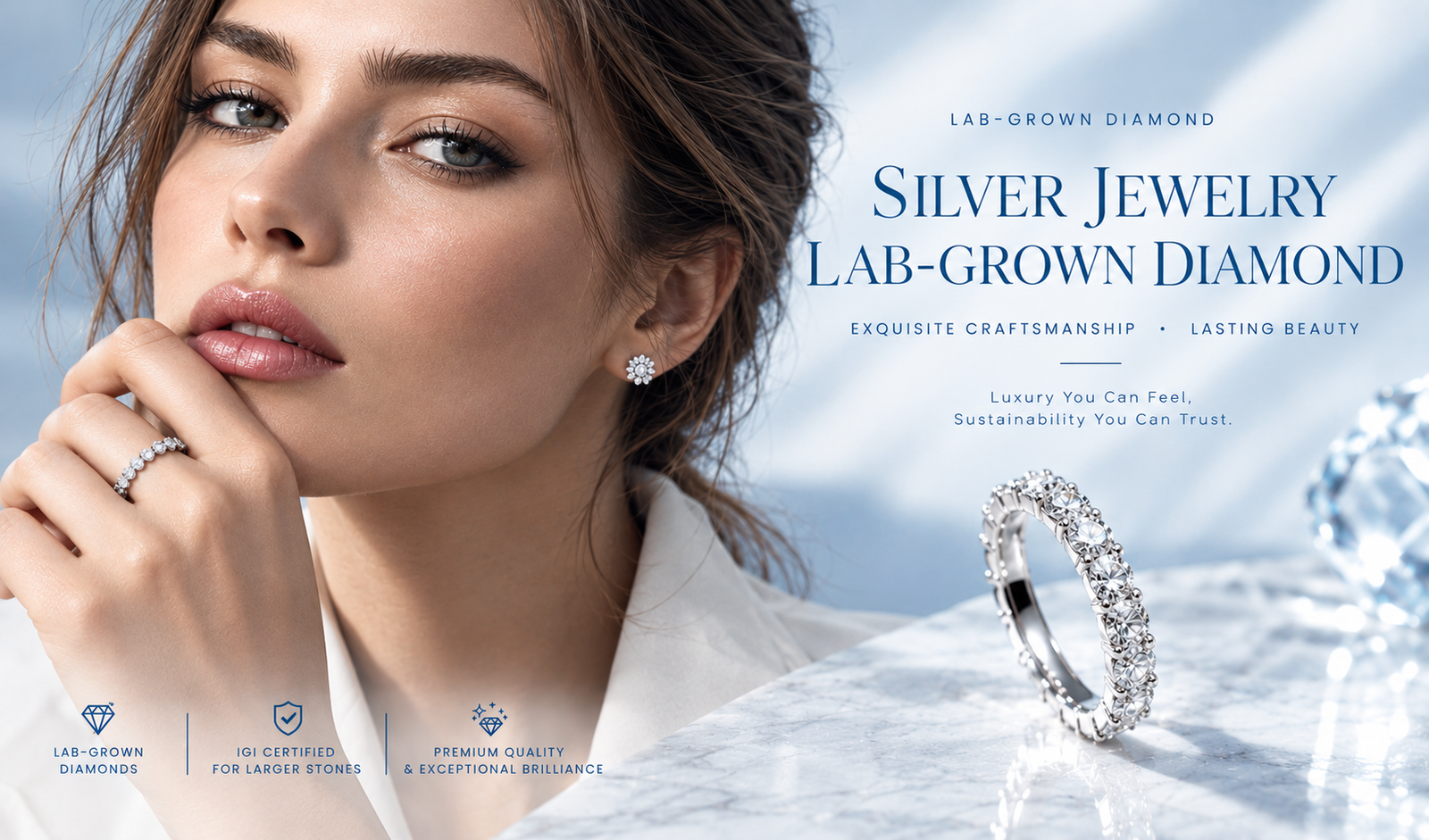
For sensitive skin, the chain alloy and the clasp matter more than the pendant. Nickel-free sterling, sound plating and smooth contact points reduce reactions most.
 testman
For sensitive skin, the chain alloy and the clasp matter more than the pendant. Nickel-free sterling, sound plating and smooth contact points reduce reactions most.
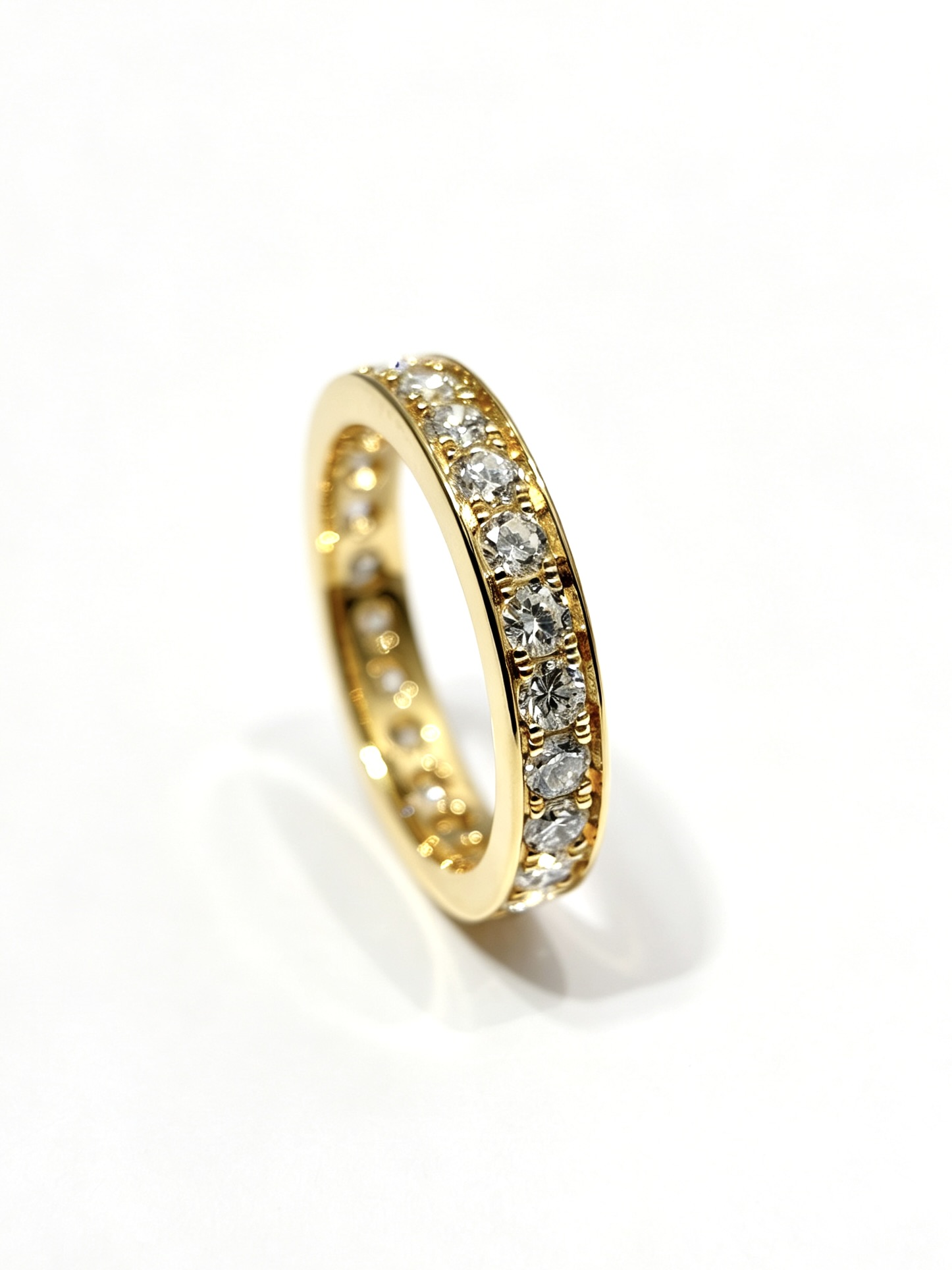
Necklace care has two problems to solve: tangles, which are mechanical, and tarnish, which is chemical. Separate storage and a dry routine handle most of both.
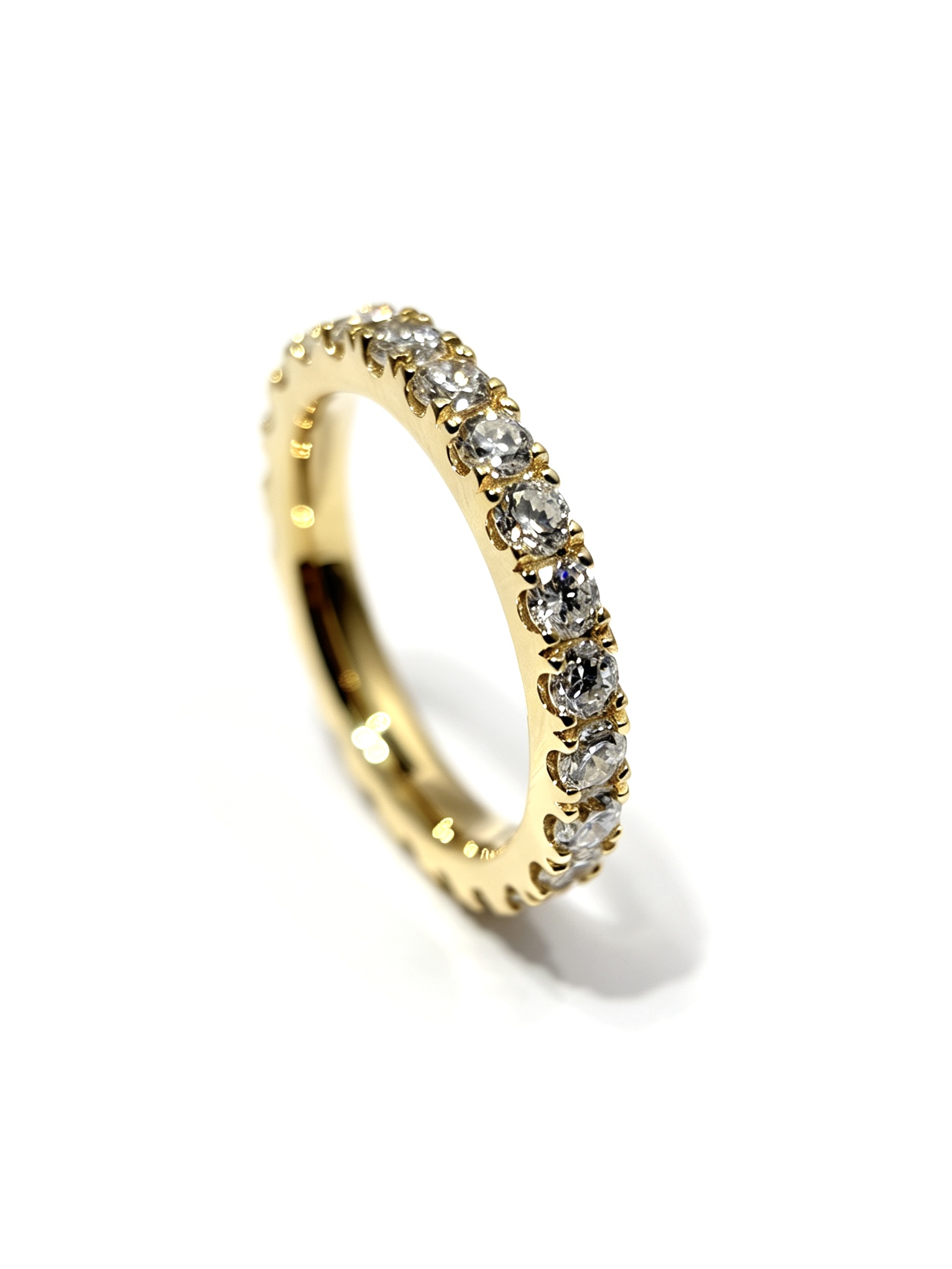
Layering works when chains occupy distinct positions: two inches of separation, different link patterns, and one heavy piece at most. Clasp placement and storage decide whether they stay tidy.
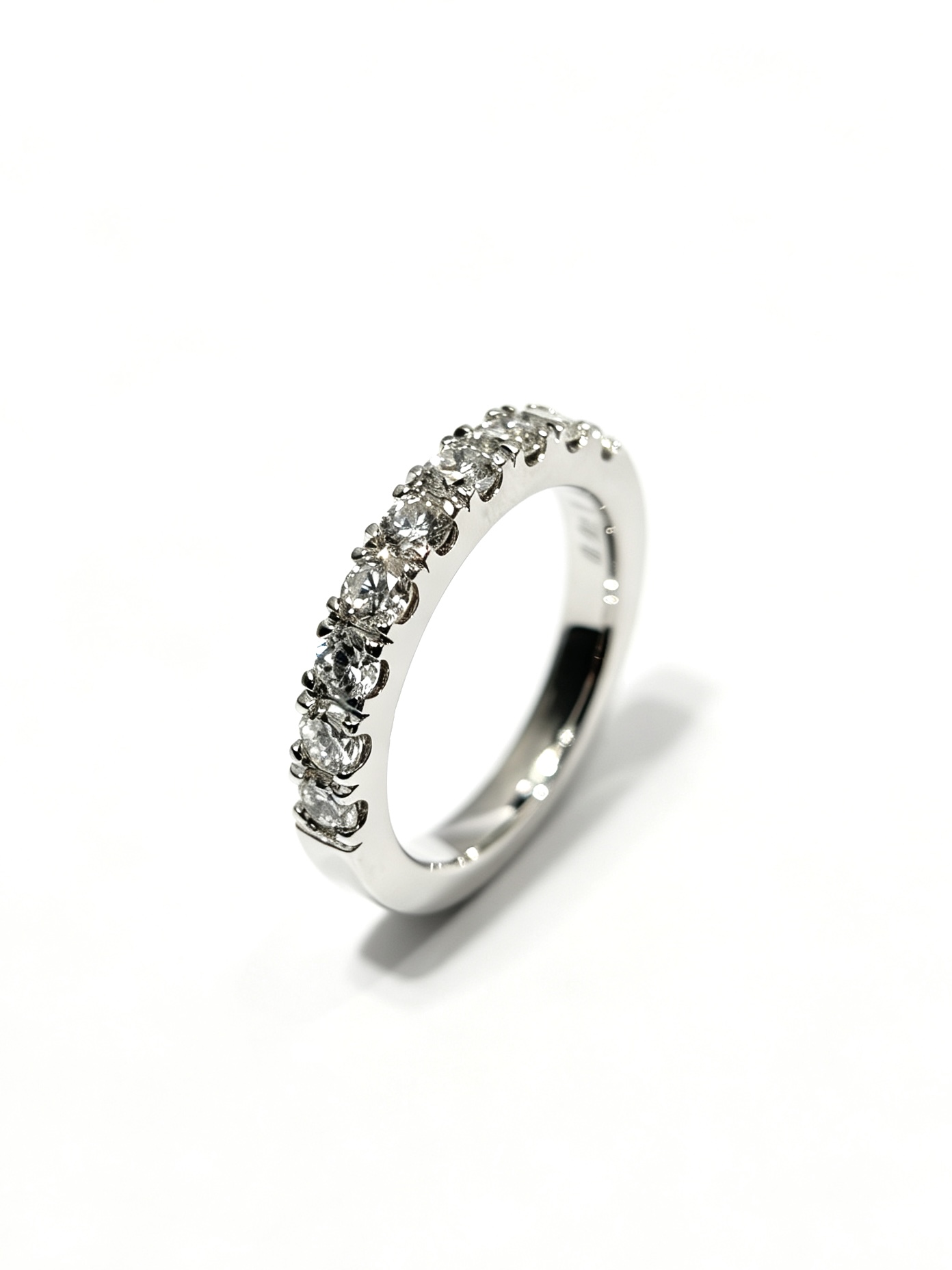
Necklace length decides where a pendant sits: 16 inches at the base of the neck, 18 at the collarbone, 20 to 22 below it, and 24 or more over the chest. Necklines and layering change the choice.

Chain type decides strength, flexibility and how a pendant hangs. Cable is the general-purpose choice, box and snake give a smooth finish, rolo and figaro offer visual weight, and each has a weaker point to check.
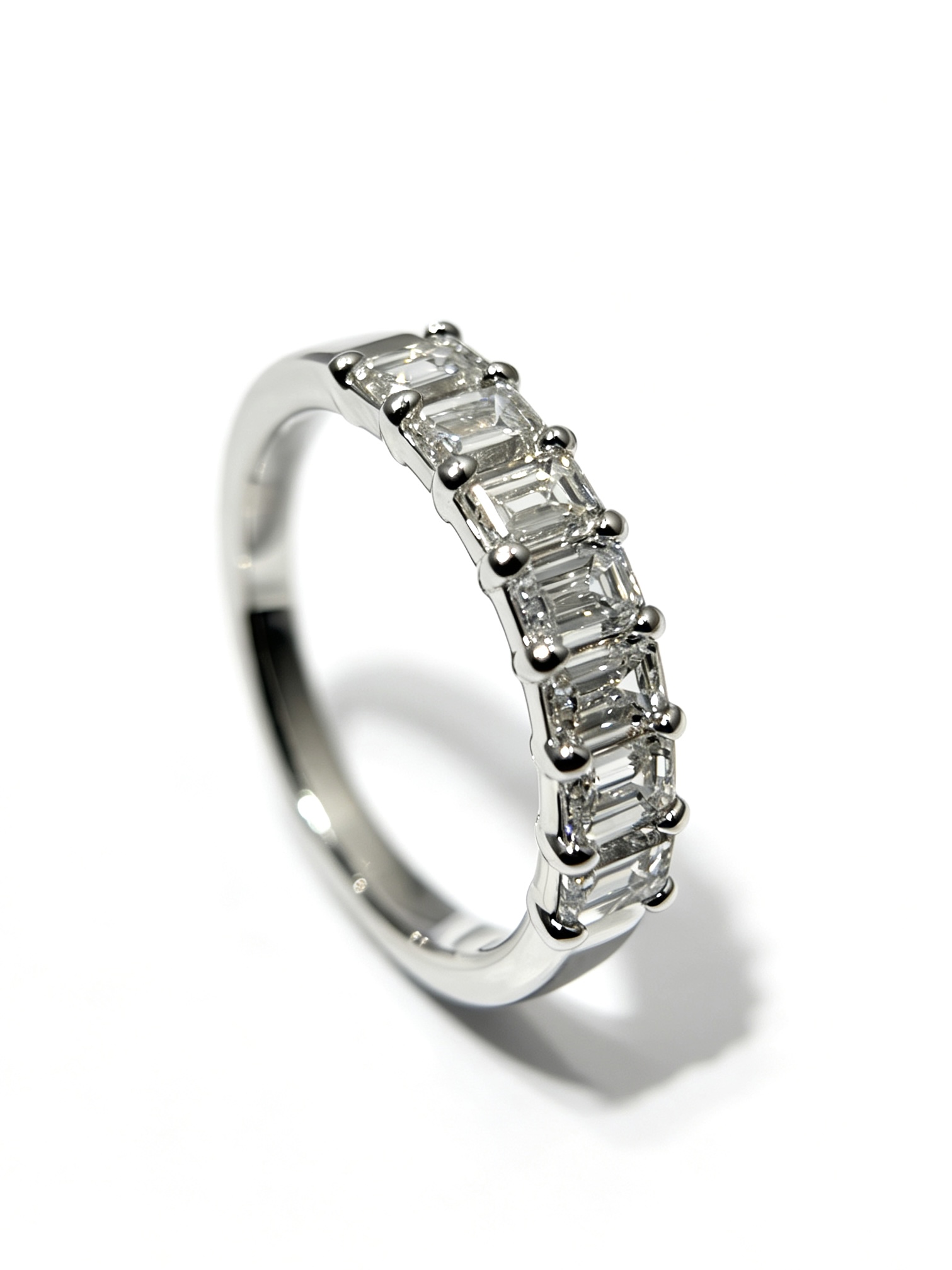
Silver purity is expressed as a fineness number: 999 is fine silver, 925 is sterling, 800 and 835 are continental alloys, and plated metal has only a silver coating. Hardness and tarnish change with purity.
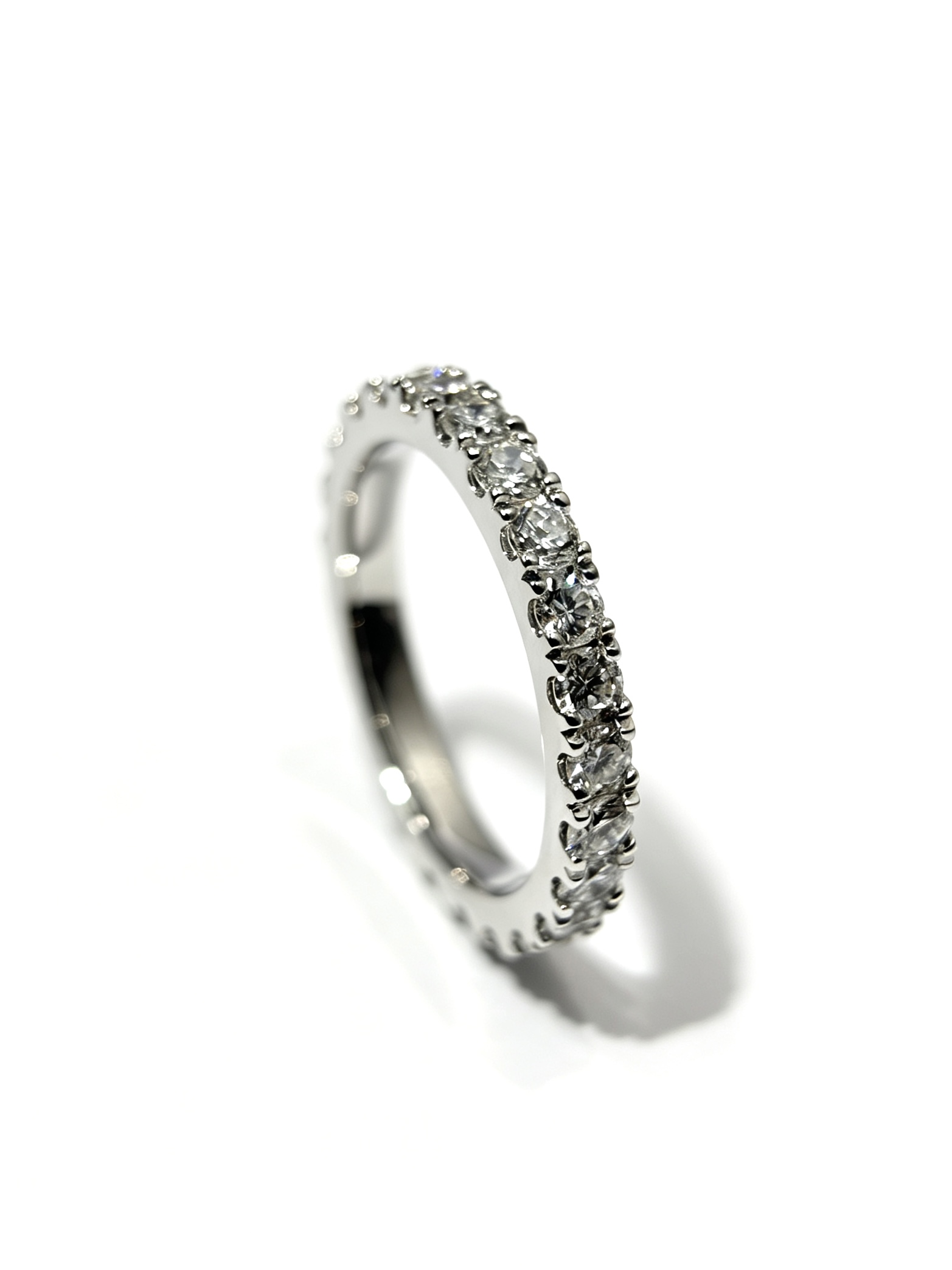
Rhodium plating is a thin platinum-group metal layer applied over silver. It brightens the colour, slows tarnish and can reduce skin reactions, but it wears at high-contact points and needs re-plating.
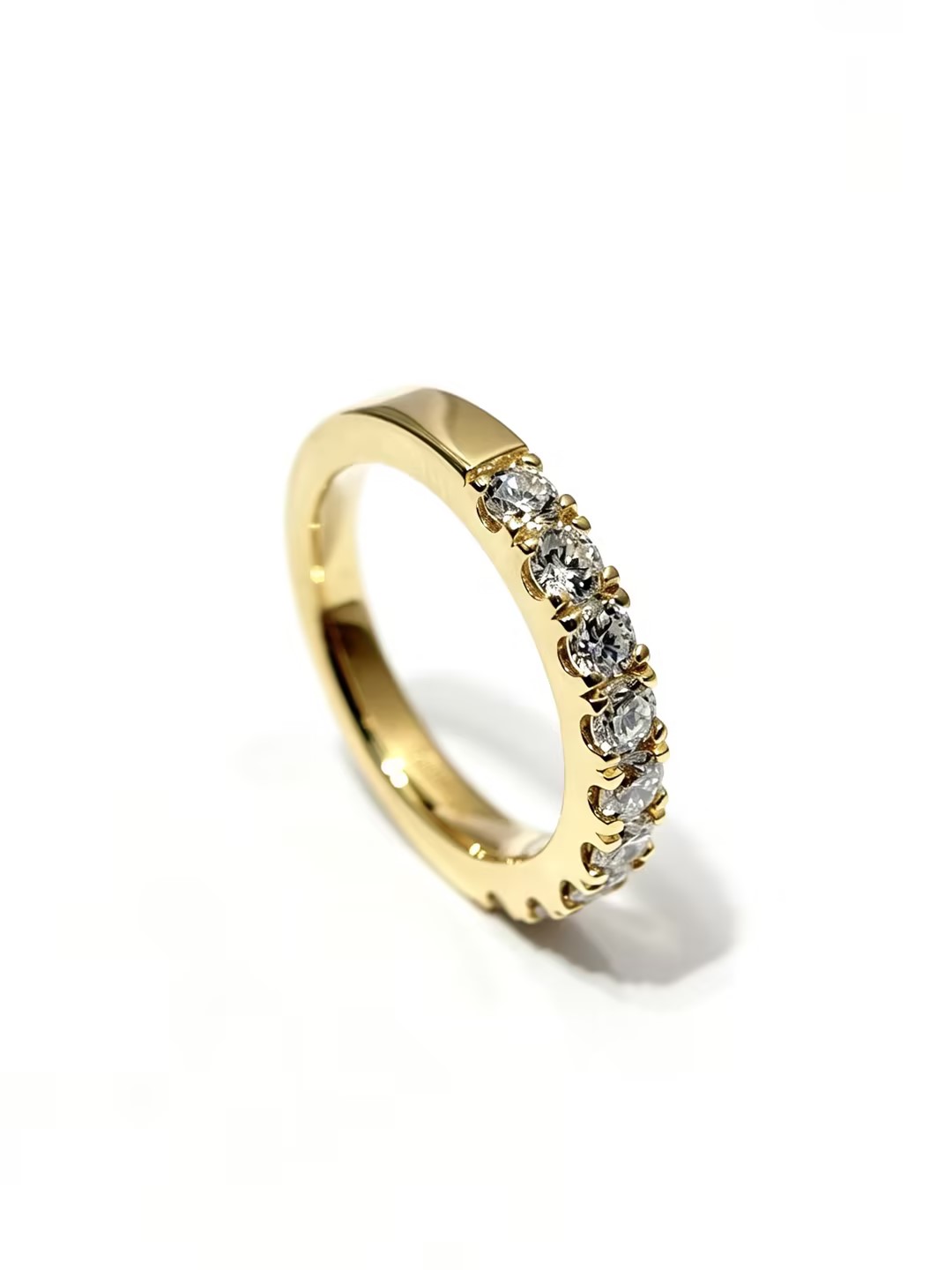
A green mark is a surface reaction between copper in the alloy, sweat and cosmetics. It is harmless, washes off, and can be reduced with plating, dryness and a better alloy choice.
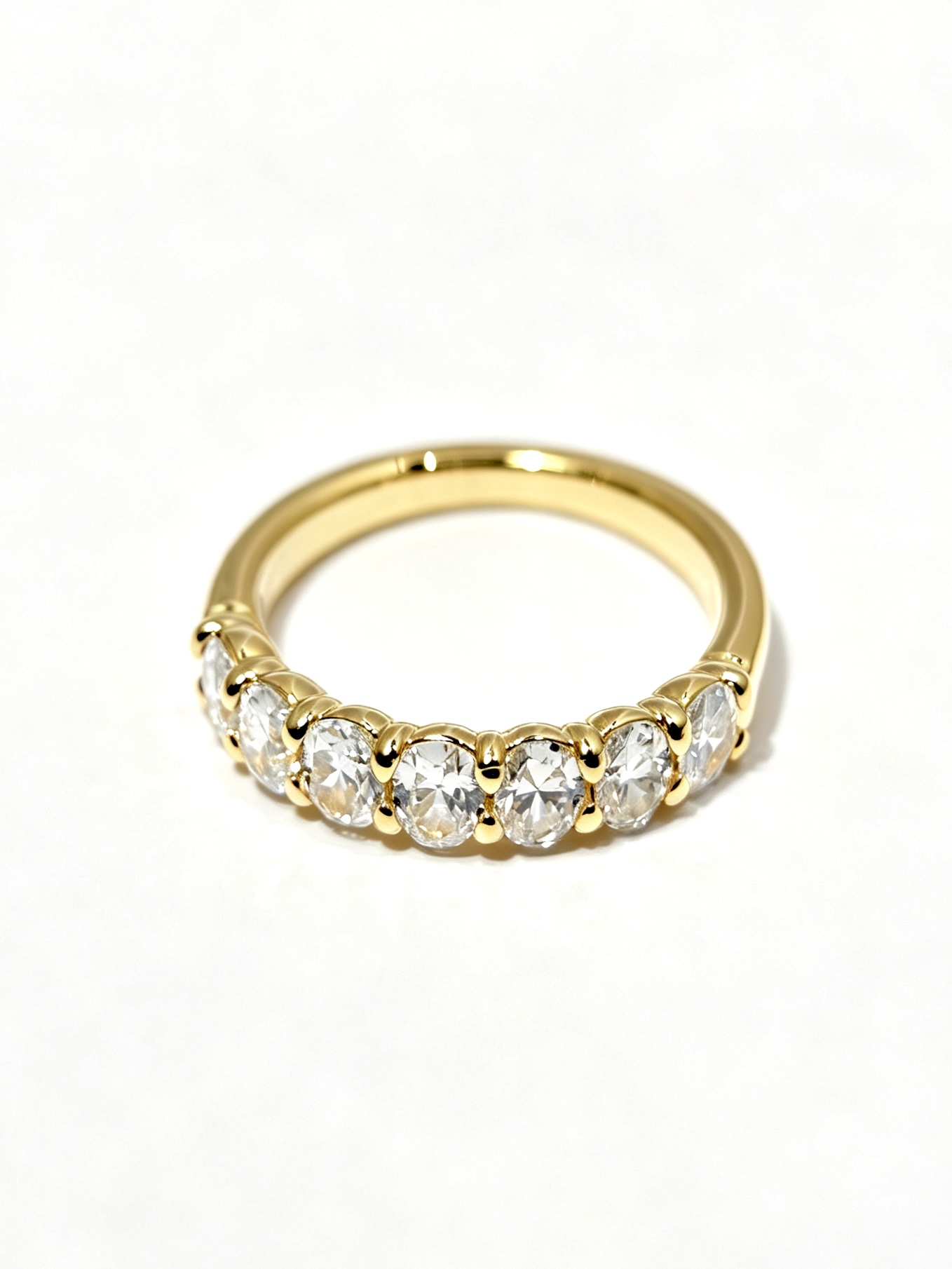
Sterling silver is usually fine for sensitive skin because the alloy is copper-based, but nickel in plating, posts or solder is the usual cause of reactions. Ask for the alloy and post material.
Sterling silver tarnishes because its 7.5% copper content reacts with sulphur compounds in air and on skin. Tarnish is a surface film, not damage, and it can be removed and slowed down.
The most reliable home check is the hallmark combined with weight and construction; the magnet and ice tests only rule out some fakes. Here is what each test can and cannot prove.
The two terms describe the same alloy: sterling silver is 92.5% silver, and 925 is the fineness mark for it. The differences that matter are in labelling, plating and construction, not in the metal.
Category, centre stone size and target retail price are enough for us to come back with a costed configuration for 925 sterling silver with lab grown diamonds.