Why Does 925 Silver Turn Skin Green? (And How to Stop It)
925 sterling silver jewellery, set with lab grown diamonds and made in our own Shenzhen workshop.
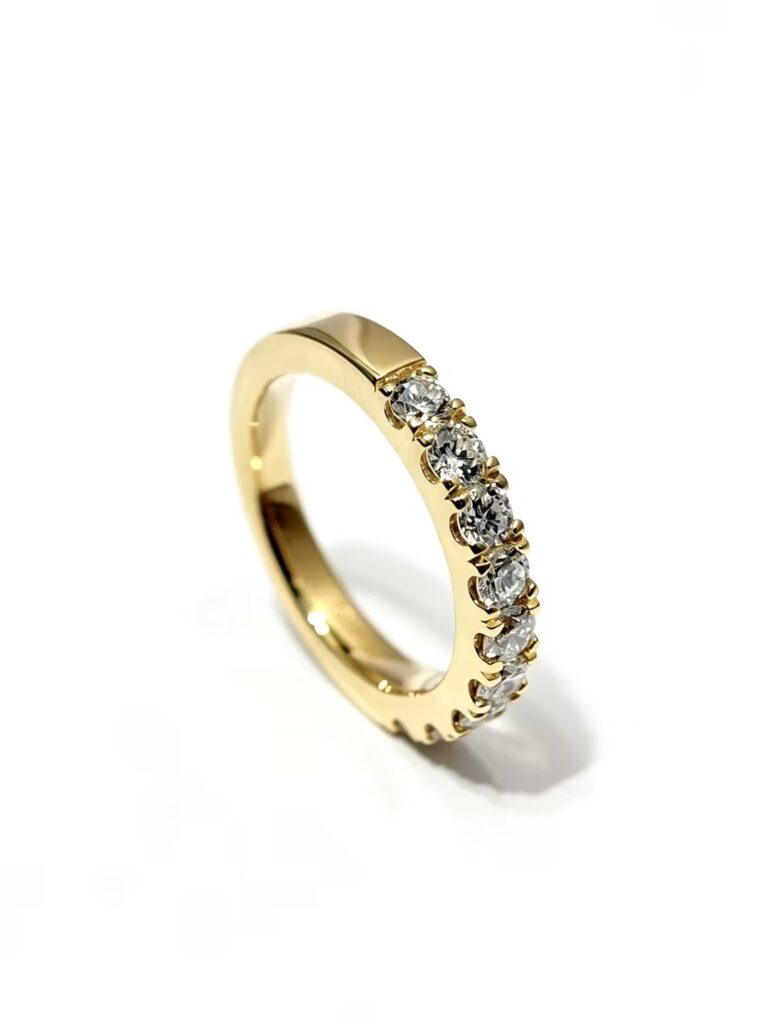
The ring comes off at the end of the day and leaves a green band on the finger. It is not a burn, an infection or evidence that the metal is toxic; it is a simple chemical reaction, and it has a short list of causes and an equally short list of fixes.
Why does 925 silver turn skin green?
Because copper in the alloy reacts with sweat and cosmetics to form green copper salts.
Sterling silver is 92.5% silver and about 7.5% copper. When copper meets moisture, salt from sweat and acidic residues from soap or cosmetics, it forms compounds that transfer to the skin. The green colour is that residue, not the metal dissolving into your body.
The reaction is more common in summer, during exercise and on people whose sweat is more acidic. It also appears faster when a ring traps moisture against the finger, which is why wide bands and tightly fitted rings mark skin more often than thin ones.
Is the green mark dangerous?
No. It is harmless, washes off and does not indicate poisoning.
Copper is an essential trace element and is present in many alloys and in food. The stain is cosmetic. If the skin underneath is also red, itchy or blistered, that is a separate issue, usually contact dermatitis from nickel in the alloy or plating, and it should be treated by removing the piece and seeing a doctor if it persists.
Very rare allergies aside, the practical concern is appearance and comfort rather than health, which is why the fixes below focus on the alloy, the plating and daily habits.
What makes the green mark worse?
Moisture, acidity, plating wear and tight contact increase it.
Sweat left on the skin, hand cream, sunscreen and soap residues all accelerate the reaction. So does worn plating: once the rhodium or gold layer thins, the copper-rich alloy is exposed directly. Tight rings trap moisture and increase contact area, and chlorine from pools adds another aggressive chemistry.
Storage matters as well. A piece kept in a humid bathroom will oxidise faster, and a piece cleaned rarely carries a layer of residues that react the moment it touches skin.
| Cause | Typical sign | Fix |
|---|---|---|
| Copper in the 925 alloy | Uniform light green mark | Clean and dry the piece; consider rhodium plating |
| Worn plating over base metal | Patchy green plus discolouration | Re-plate or replace the piece |
| Tight fit and trapped moisture | Green band around the whole finger | Adjust the size or choose an open design |
| Cosmetics and sunscreen | Marks after product use | Apply products before wearing, wipe at night |
| Nickel release | Green plus itch or redness | Change to a nickel-free alloy or post |
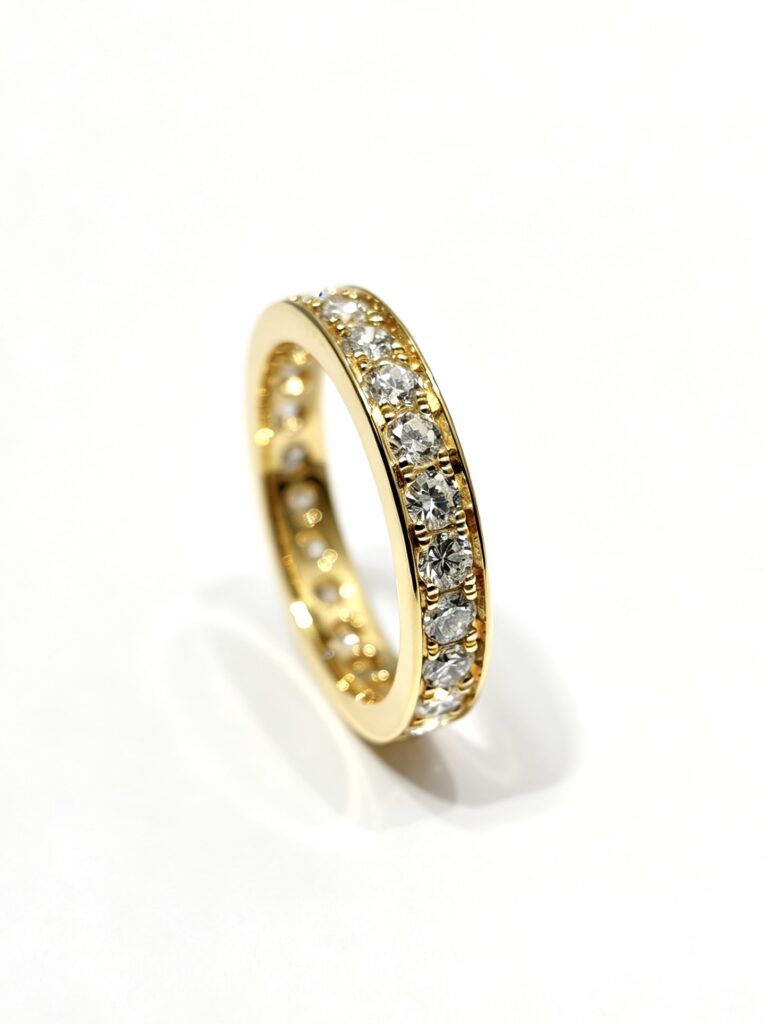
How do you stop silver turning skin green?
Keep the piece dry, choose plated or nickel-free options and clean it regularly.
The fastest fix is a barrier: rhodium plating separates the alloy from the skin and is the reason plated silver marks fewer fingers. If you prefer an unplated finish, wiping the ring dry several times a day and removing it before washing hands or exercising reduces the reaction sharply.
Cleaning matters because residues are the reactants. A mild soap wash, a soft brush on plain metal and a thorough dry once a week is enough for daily-wear pieces. For pieces worn occasionally, clean before wearing rather than after.
Does a different silver alloy help?
Yes. Alloys with less copper, or with a plating layer, mark skin less.
Some manufacturers use alternative alloying elements or a palladium-white finish intended for sensitive wearers; others rely on thicker rhodium. The sterling standard fixes the silver content but not the remaining composition, so asking about the alloy is a legitimate question rather than a technical nitpick.
Coating specifications such as ASTM B700 describe electrodeposited silver coatings and are useful when comparing plating claims between suppliers.
What should you do if a piece keeps marking your skin?
Try coating, cleaning and fit changes before replacing it.
Ask a jeweller to re-plate the piece, check the ring size, and clean it thoroughly. If the mark persists with a plated, correctly sized piece, the reaction may be to nickel in the alloy, in which case a different alloy or a titanium alternative is the better answer.
Document what changed if you are buying at volume: whether the mark appears on plated or unplated stock, on which skin types and in which season. That data tells a supplier exactly which alloy or finish to adjust.
How do jewelry buyers handle this at production level?
They specify the alloy and the finish, and they test on real wearers.
A brand that sells in humid markets should treat the green-mark question as a specification decision: alloy composition, plating thickness, polishing quality and cleaning before packing. Sample testing on a small panel of wearers in the target climate surfaces the issue before a full production run.
ZKZ Jewelry manufactures 925 silver jewelry in Shenzhen with defined alloy and finishing specifications, and the specification points are summarised in the 925 sterling silver guide.

Sources and further reading
The references below support the material, plating and testing points made in this guide: precious-metal fineness and terminology, electroplated silver coatings, silver behaviour in normal use, hallmarking practice, and laboratory testing of gem-set jewelry.
- CIBJO Blue Book — precious metal fineness and terminology
- ASTM B700 — electrodeposited silver coatings
- The Silver Institute — silver behaviour and care references
- The Assay Office — hallmarking precious metal items
- GIA — gemstone and jewelry testing references
FAQ
Is green skin from silver jewelry dangerous?
No. The mark is a copper compound transferred from the surface to the skin and washes off with soap and water. It is cosmetic rather than toxic. If the skin under the mark is red, cracked or itchy, that points to contact dermatitis and needs a different response.
Does 925 silver always turn skin green?
No. It depends on the alloy, the plating, the fit and the wearer’s sweat chemistry. Many people never see a mark from unplated sterling, while others react within hours. A plated, correctly sized piece reduces the chance substantially.
How do I clean the green mark off my skin?
Soap and water usually remove it, and a mild exfoliation removes any residue left in the skin. Cleaning the jewelry removes the source. If the mark recurs immediately after cleaning, the plating is likely worn and needs re-plating.
Will rhodium plating stop the green mark?
It usually does, because the plating is a barrier between the copper-bearing alloy and the skin. The effect lasts as long as the plating does; worn edges and posts are the first places to break through, and re-plating restores the barrier.
Next step: if you need silver styles specified for humid markets or sensitive wearers, send your requirements to vinico@zkzdiamonds.com or message +86 135 3037 8229.
Recommended
 How to Find Your Ring Size at Home (Free Printable Method)Jewelry Guides & Sizing
 Sterling Silver Eternity Rings: Full, Half and Channel SetSilver Jewelry
 Sterling Silver Rings: How to Choose a Ring That LastsSilver Jewelry
 Silver Earring Backs: Butterfly, Screw, Push and LockingSilver Earrings
 Lab Grown Diamond Earrings in Silver: Buying ChecklistLab Grown Diamond Earrings
 Ear Stacking With Sterling Silver: A Practical GuideSilver Earrings