Lab Grown Diamond Earrings in Silver: Buying Checklist
925 sterling silver jewellery, set with lab grown diamonds and made in our own Shenzhen workshop.
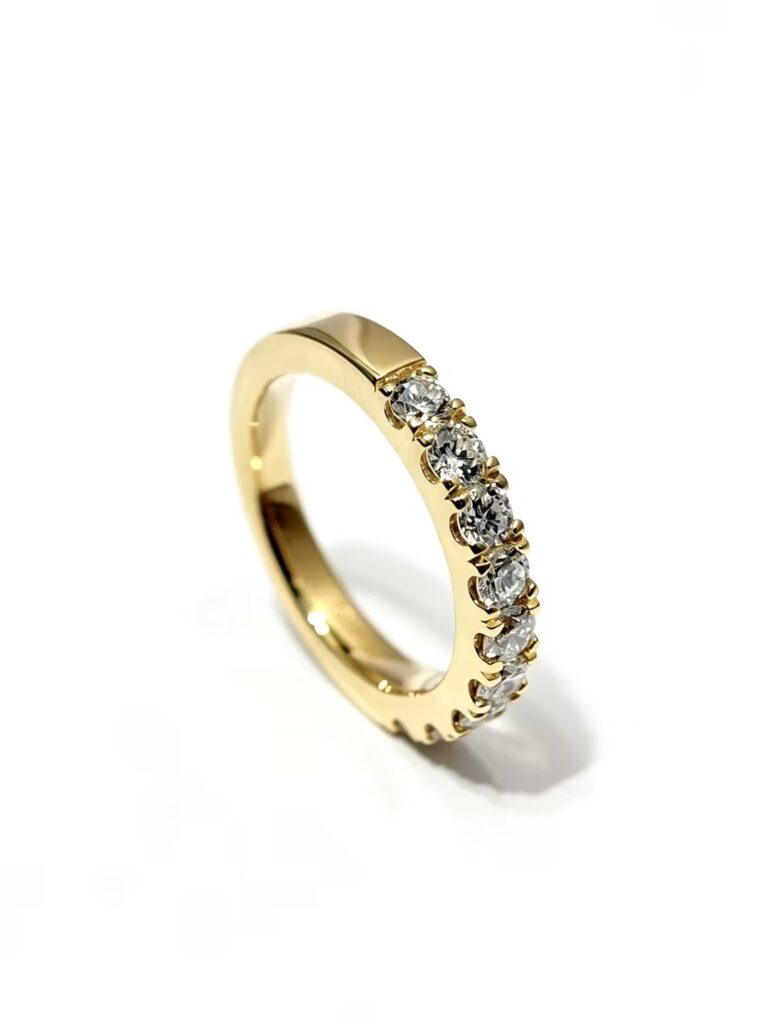
Lab grown diamond earrings in silver sit at an attractive price point: the stones carry the same optical properties as mined diamonds, while the setting uses a metal that keeps cost down. The buying decision shifts accordingly — the stones are usually easier to specify than the mounting, the finishing and the earring back.
Studs, prongs and bezels: what changes?
The setting decides how much of the stone is visible and how exposed it is to knocks.
Four-prong settings show the most stone and are the classic stud, but the girdle is exposed. Six-prong settings add security at the cost of hiding a little of the stone. Bezel settings enclose the girdle in metal, which is the most protective and the most practical for daily wear or for anyone who catches earrings on clothing.
For earrings worn continuously, a bezel or a six-prong setting is the safer choice; for occasional wear, a four-prong stud shows the stone best.
What should you check on the stones?
Check the 4Cs at the size you are buying, and match the pair.
Earrings are small, so colour and cut are more visible than clarity: a well-cut pair with slight warmth can look better than a poorly cut pair with a higher clarity grade. Ask for the colour and clarity range used in the pair, not just a single grade for one stone.
For matched pairs, ask how the stones were paired: matched in size, colour and cut, or simply matched in carat weight. Lab grown stones are graded by the same laboratories that grade mined diamonds, and references such as GIA and IGI explain the grading scales.
Why silver for diamond earrings?
Silver keeps the price accessible and suits studs and small settings well.
Sterling silver is harder than fine silver and works well for settings that do not carry heavy stones. Its limitation is wear: silver is softer than gold or platinum, so prongs can wear and loosen over years of daily use, particularly in a four-prong design with exposed corners.
That is why silver-set lab diamond earrings benefit from a protective setting, a sound finish and periodic inspection of the prongs — the same care that any diamond-set piece needs.
| Setting | Stone visibility | Protection | Best for |
|---|---|---|---|
| Four-prong | Highest | Moderate | Occasional wear, maximum sparkle |
| Six-prong | High | Good | Daily wear, larger stones |
| Bezel | Moderate | Highest | Daily wear, active wearers |
| Halo | High | Moderate | Visual size at a lower centre-stone weight |
What should you check on the earring back?
Backs decide comfort and security, and they are the part most often overlooked.
Butterfly backs are standard and comfortable when the tension is right. Screw backs hold heavier studs firmly and are common for larger stones. Locking backs are the most secure and the least convenient. For drop earrings, the closure should be smooth so it does not rub the lobe.
Ask whether the back is nickel-free and whether it matches the finish of the earring. A mismatched or worn back is a common complaint on diamond studs.
Finishing and plating
Rhodium plating brightens silver and slows tarnish, but it wears at the post.
A rhodium finish gives the setting a bright white look that matches the stones and adds a barrier against tarnish. The plating wears first at the post and the edges, which is also where sensitivity can return. Coating specifications such as ASTM B700 describe electrodeposited silver coatings, and re-plating is routine maintenance.
If the earrings are worn daily, plan for re-plating rather than treating the finish as permanent.
What documentation should come with the earrings?
Ask for the stone specification and, where relevant, the grading report.
For matched pairs, the useful documents are the stone specification (size, colour, clarity, cut) and any laboratory report for the stones. For volume orders, add the setting specification, the metal fineness and the plating thickness, so the production piece matches the approved sample.
Fineness terminology follows the CIBJO Blue Book, and hallmarking practice is described by the Assay Office.
Buying checklist
Work through the list before ordering.
Setting: bezel or six-prong for daily wear; four-prong for maximum sparkle. Stones: matched pair, cut prioritised over clarity at small sizes, colour checked in the pair. Backs: nickel-free, matched finish, screw or locking for heavier studs. Finish: rhodium or gold plated, with a re-plating plan. Documentation: stone specification plus metal and plating details. Care: clean with mild soap and inspect prongs periodically.
FAQ
Are lab grown diamond earrings worth it?
They offer the same optical properties as mined diamonds at a lower price, which makes larger studs accessible. They are not an investment and their resale value is limited, so buy them for wear and appearance rather than as a store of value.
Are sterling silver and lab diamond earrings durable?
Sterling is softer than gold or platinum, so prongs can wear with years of daily use. A protective setting such as a bezel, plus periodic inspection and re-plating, keeps silver-set studs wearable for a long time.
What is the best setting for diamond studs?
For daily wear, a bezel or six-prong setting protects the stone best. For occasional wear and maximum sparkle, a four-prong setting shows more of the stone. The trade-off is protection against visibility.
How should lab diamond earrings be cleaned?
Warm water with mild soap and a soft brush cleans the stones and the setting without damaging plating. Dry the earrings completely, and avoid abrasive polishes and silver dips on plated pieces. Check the prongs and backs at the same time.
Sources and further reading
References supporting the grading, material and coating points in this guide.
- GIA — diamond grading and testing references
- IGI — gemstone and jewelry grading references
- ASTM B700 — electrodeposited silver coatings
- CIBJO Blue Book — precious metal fineness and terminology
- The Assay Office — hallmarking precious metal items
Next step: sourcing silver-set lab grown diamond earrings? Send the setting, stone and backing requirements to vinico@zkzdiamonds.com or message +86 135 3037 8229.
Recommended
 How to Find Your Ring Size at Home (Free Printable Method)Jewelry Guides & Sizing
 Sterling Silver Eternity Rings: Full, Half and Channel SetSilver Jewelry
 Sterling Silver Rings: How to Choose a Ring That LastsSilver Jewelry
 Silver Earring Backs: Butterfly, Screw, Push and LockingSilver Earrings
 Ear Stacking With Sterling Silver: A Practical GuideSilver Earrings
 How to Stop Silver Earrings From Irritating Your EarsCare & Cleaning