What is the difference between GIA, IGI and in-house reports for lab-grown diamonds?
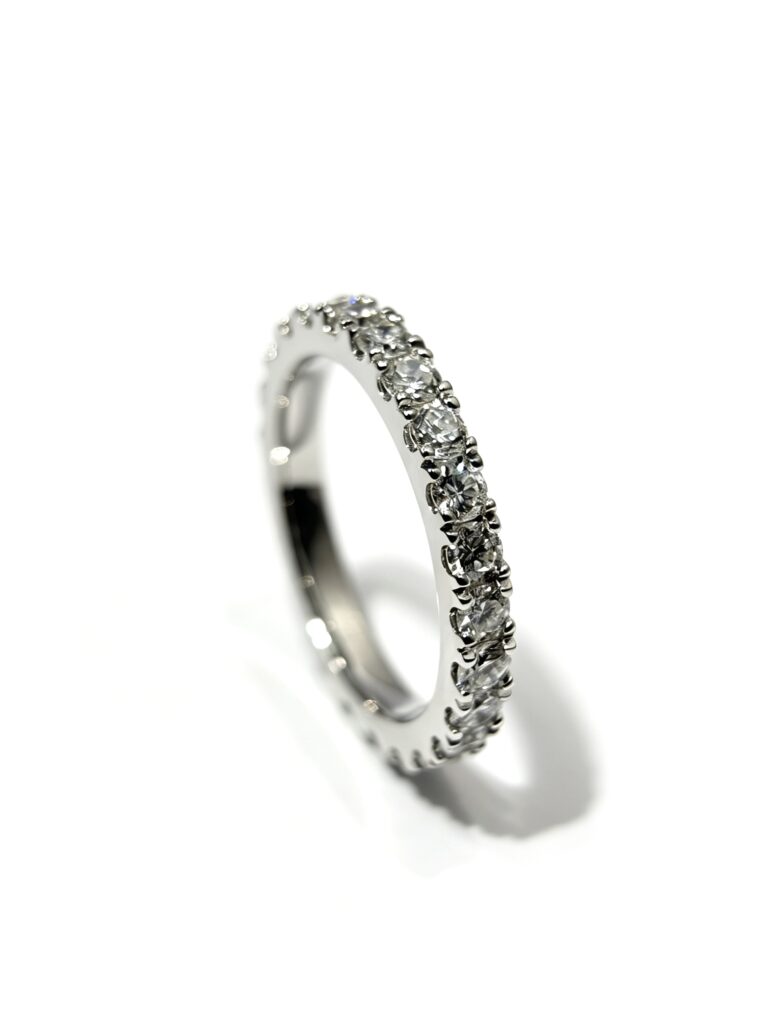
925 sterling silver jewellery, set with lab grown diamonds and made in our own Shenzhen workshop.
Talk · Lab-Grown Diamond Knowledge
A buyer sees lab-grown diamonds listed with GIA, IGI or a seller's own report and asks how they differ.
 ZKZ Editorial TeamMain answer · Product & gemmology desk
GIA and IGI are independent laboratories that issue reports on lab-grown diamonds, but they describe quality in different ways, and an in-house report comes from the seller, so it is not independent. Compare reports from the same laboratory when you can, and verify the number with the issuer.
What we verified
Fact GIA says that from 1 October 2025 its Laboratory-Grown Diamond Quality Assessment classifies stones as Premium or Standard based on overall clarity, colour and cut rather than using the nomenclature developed for natural diamonds, and that stones not meeting the minimum for Standard receive no assessment.
Fact GIA says it also offers a Laboratory-Grown Diamond Report – Dossier, for stones up to 9.99 carats in most locations, from which growth type and post-growth treatment options were removed.
Fact IGI says its lab-grown diamond reports use a colour scale from D to Z and clarity grades from IF to I3, assess cut for round brilliants against its own studies, and note polish and symmetry, and that it notes the growth process and treatments in the comments upon request.
Fact IGI says its report is an opinion and should not be relied on as a guarantee, appraisal or warranty, and that opinions from laboratories may vary.
How to compare
Our advice Verify the report number on the laboratory's own site, and check that the inscription and measurements match.
Our advice Treat an in-house report as the seller's description, and ask for an independent one if the price is high.
It depends Which laboratory is better is a matter of debate, and we do not rank them.
Questions to ask before you pay
- Which laboratory issued the report, and what type of report is it?
- Is the report number inscribed on the stone?
- Can I verify the report on the laboratory's website?
- Does the report state growth type and treatment?
Our advice Keep the report with your invoice and take photographs of the stone and any inscription.
Uncertain We did not verify how in-house reports are produced, or how the grades of the two laboratories compare in practice.
Related reading: What does fluorescence mean on a lab-grown diamond report? · Lab Grown Diamond Certification: IGI, GIA and What to Check
Sources
- GIA press release, updated laboratory-grown diamond services (2025)
- GIA, Laboratory-Grown Diamond Report Dossier FAQ
- IGI, Lab grown diamond reports
- IGI, Verify your report
Fact = stated by the cited source. Our advice = editorial recommendation. Uncertain / it depends = limits of what can be said in general.
Other perspectives from the ZKZ team
Check the report number with the issuer. Reports from sellers that do not name a laboratory should be treated as marketing.
Ask which laboratory and which report type you will get before you pay. Note that different laboratories use different terms.
Compare stones using the same laboratory's reports where you can. Mixing systems makes price comparisons unreliable.
Have a different question? Ask our team, or browse more answers in Talk.
Related products
Related articles & topics
- What does fluorescence mean on a lab-grown diamond report?Talk
- How do I check a lab-grown diamond report number is genuine?Talk
- Does a lab-grown diamond need an appraisal, and what does one include?Talk
- Are coloured lab-grown diamonds stable, and do their colours fade?Talk
- How much is a 1-carat lab-grown diamond worth, and what sets the price?Talk
- Lab Grown Diamond Necklaces: Styles, Sizes and How to ChooseGuide
- What Are Lab Grown Diamonds? A Plain-English ExplanationGuide
- Lab Grown Diamond Tennis Necklaces: What to Check Before You BuyGuide
- Lab Grown Diamond Tennis Bracelets: Complete Buying GuideGuide
- Lab Diamond vs Moissanite: Differences and Which to BuyGuide
Recommended
 What bracelet size should I order if I have a small, medium or large wrist?Talk
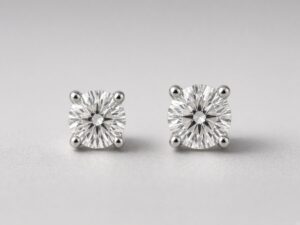 What are flat-back studs, and who needs them for cartilage or sleeping?Talk
 What jewelry suits an engagement-party or bridal-shower gift?Talk
 Can nickel-free silver jewelry still cause a reaction?Talk
 Black spots on silver: is it tarnish or damage?Talk
 How do I use a ring mandrel or ring gauge to check finished ring sizes?Talk