CVD vs HPHT Lab Diamonds: What the Difference Means for Buyers
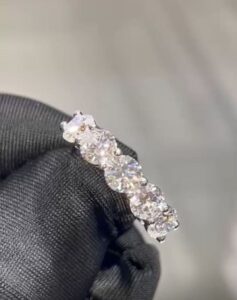
925 sterling silver jewellery, set with lab grown diamonds and made in our own Shenzhen workshop.
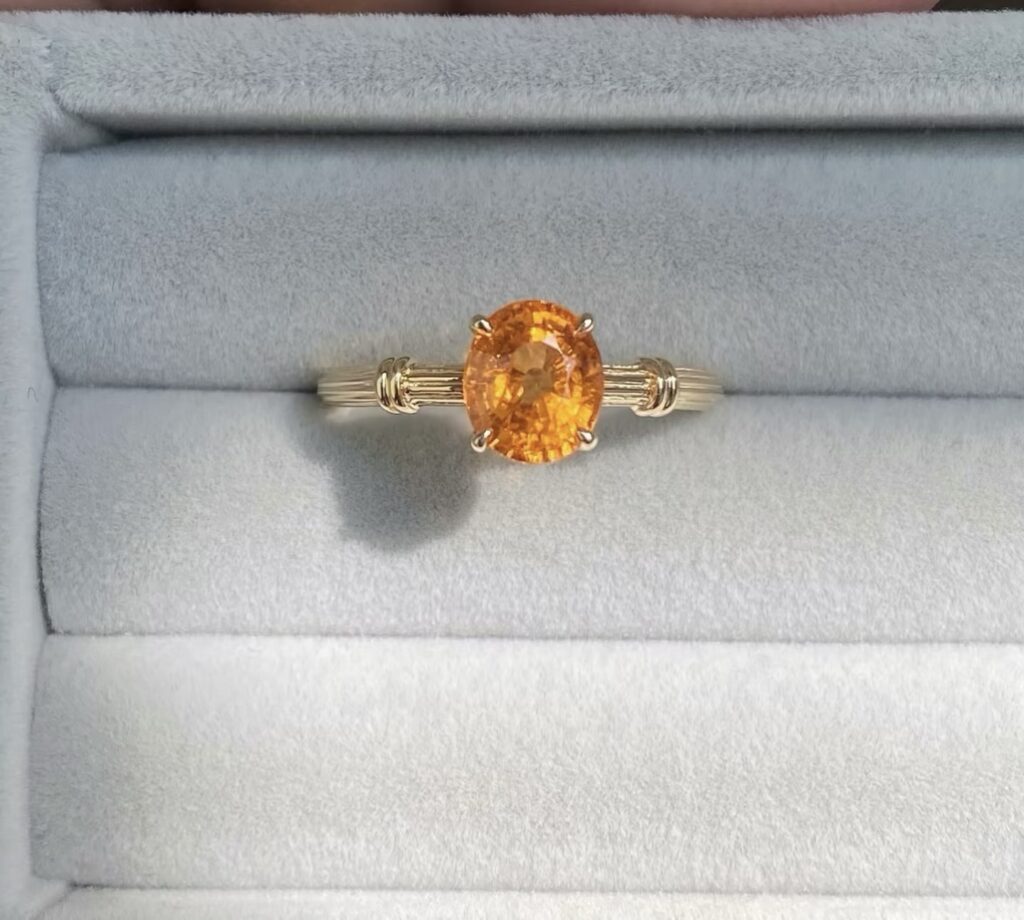
Two parcels arrive from the same supplier. Both are 1.00 ct rounds, both are graded by the same laboratory at the same colour and clarity, and both look identical on the tray. One was grown by CVD and the other by HPHT. The buyer who asks which process each parcel came from receives a documented answer; the buyer who does not receives an assumption. That gap is the entire practical content of the CVD versus HPHT question, because the difference cannot be seen in the finished stone, only read in the paperwork and confirmed in a laboratory.
Last updated:
Does CVD or HPHT matter when you buy?
It matters for documentation and consistency, not for how the stone looks.
Both processes produce diamond, and a well-graded stone from either route will perform identically in wear. What changes is what a supplier can document about the parcel, how consistently a repeat order can be matched, and whether the stated method agrees with what the grading report says. For a one-off purchase the risk is small. For a repeat programme, a mismatch between what is ordered and what arrives becomes a production problem.
The practical answer is to treat the growth method as a specification line, like colour or clarity, rather than as a quality ranking.
What each process actually does
CVD builds a crystal from gas; HPHT crystallises carbon from a molten metal flux.
In CVD, a thin diamond seed plate sits in a vacuum chamber and carbon-bearing gas decomposes above it, depositing carbon atom by atom onto the seed. Growth is relatively slow and the result is typically a flat, plate-like rough that later needs cutting around its growth direction. The process runs at moderate pressure and high temperature.
In HPHT, a carbon source is dissolved in a metal flux inside a press at very high pressure and temperature, and the carbon crystallises onto a seed at the cooler end of the cell. The rough tends to be more blocky, and the process is the one historically used to produce and to treat stones. Metal traces from the flux are one of the features laboratories use when identifying the route.
Why the process is invisible in the finished stone
Because the output of both routes is the same crystal structure.
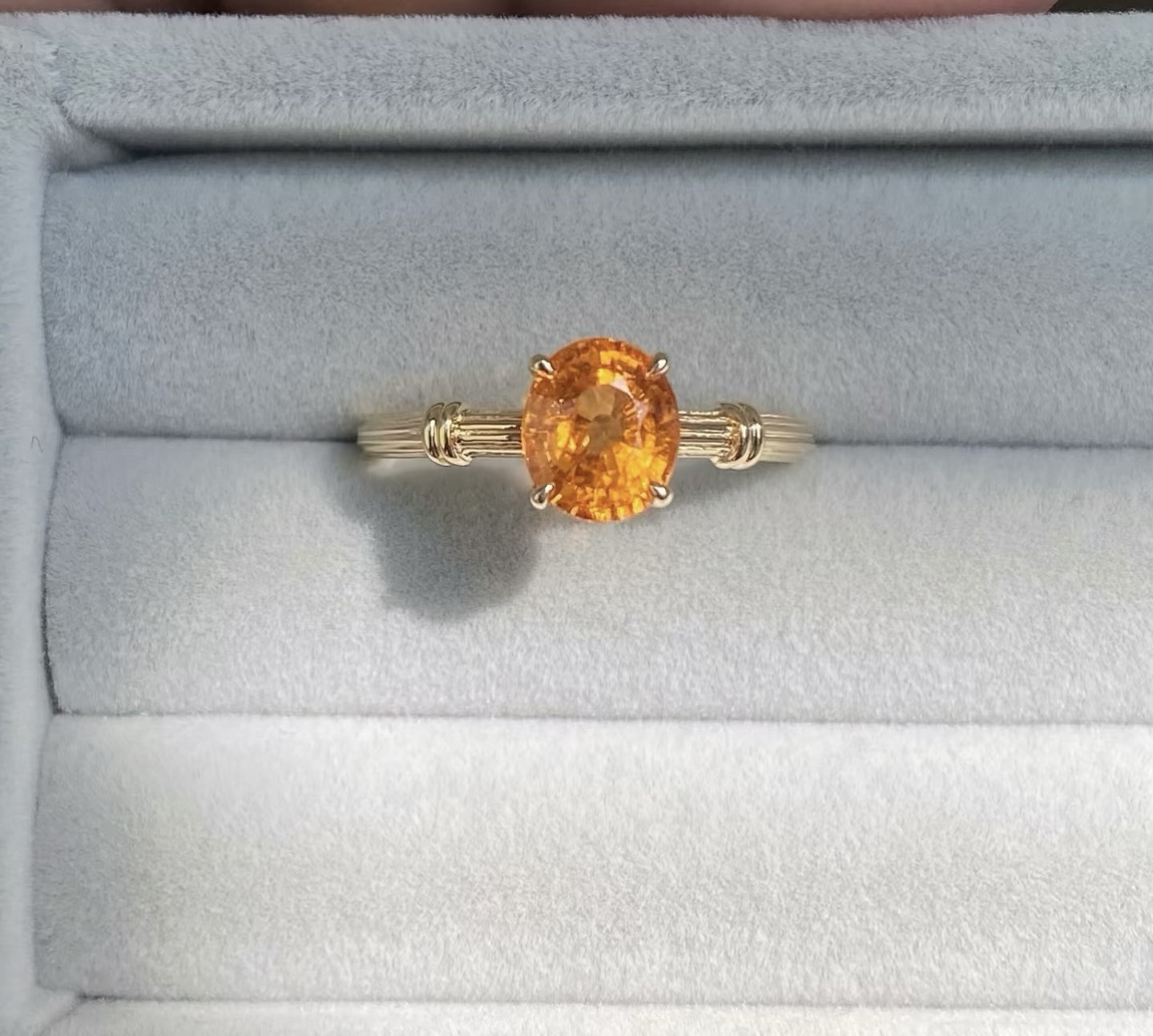
Once the stone is cut and polished, the growth history leaves no trace visible through a loupe or with a standard tester. Hardness, refractive index, dispersion and thermal conductivity are properties of the diamond structure itself, not of the route used to reach it. Any claim that a salesperson can identify the process at the counter should be treated as marketing rather than measurement.
How a laboratory determines the growth method
Through spectroscopy and imaging of the internal structure.
Laboratories examine how the crystal responds to ultraviolet and infrared light, look at luminescence behaviour under different excitation, and image internal growth patterns and strain. CVD material often shows layered growth and specific luminescence patterns; HPHT material tends to show flux metal inclusions and a different set of optical features. Taken together, those observations identify the process with high confidence, and the result is recorded on the report when the laboratory chooses to state it.
This is why the report is the buyer’s source of truth and the counter is not.
What appears on the grading report, and what does not
Identity and measures always; growth method and treatment usually, but not on every report format.
Every report should state that the stone is laboratory grown, give the measurements and proportions, list colour, clarity, polish and symmetry, and record fluorescence. Treatments should be disclosed where the laboratory detects them. Growth method is commonly stated, and when it is absent the buyer has to ask why rather than assume.
The other variable is report format: screening or identification reports carry less detail than full grading reports, and the difference matters when a piece is sold on to a consumer who expects a full document.
The markers graders look for
Type classification, flux inclusions and luminescence behaviour.
HPHT-grown material frequently falls into the type IIa or type IIb classifications depending on the dopants present, and type IIb is associated with boron and with blue colour and electrical conductivity. CVD material often shows an absence of the nitrogen-related features typical of much mined diamond, plus growth striations under specific imaging. Fluorescence under short-wave ultraviolet often differs between the two routes and is one of the quickest screening signals, though never conclusive on its own.
None of this is equipment a buyer needs. It is the reason the method can be stated with confidence on a report, and the reason the checklist we use for lab grown diamond pieces starts with documentation rather than appearance.
Where a price difference comes from, if any
From yield, colour range and the cost of reaching a target grade — not from quality.
The routes differ in how efficiently they reach particular sizes and colour ranges, and in how much of the rough survives cutting. Those differences move the cost of producing a finished stone of a given specification, which can appear in the price of that specification. It does not make one route’s finished stone better than the other’s at the same grade.
When a supplier prices two routes far apart at identical grades, ask what else differs: cut proportion, fluorescence, treatment status or report type usually explains it.
Why suppliers mix processes in a parcel
Because matching for appearance, not process, is what makes a parcel usable.
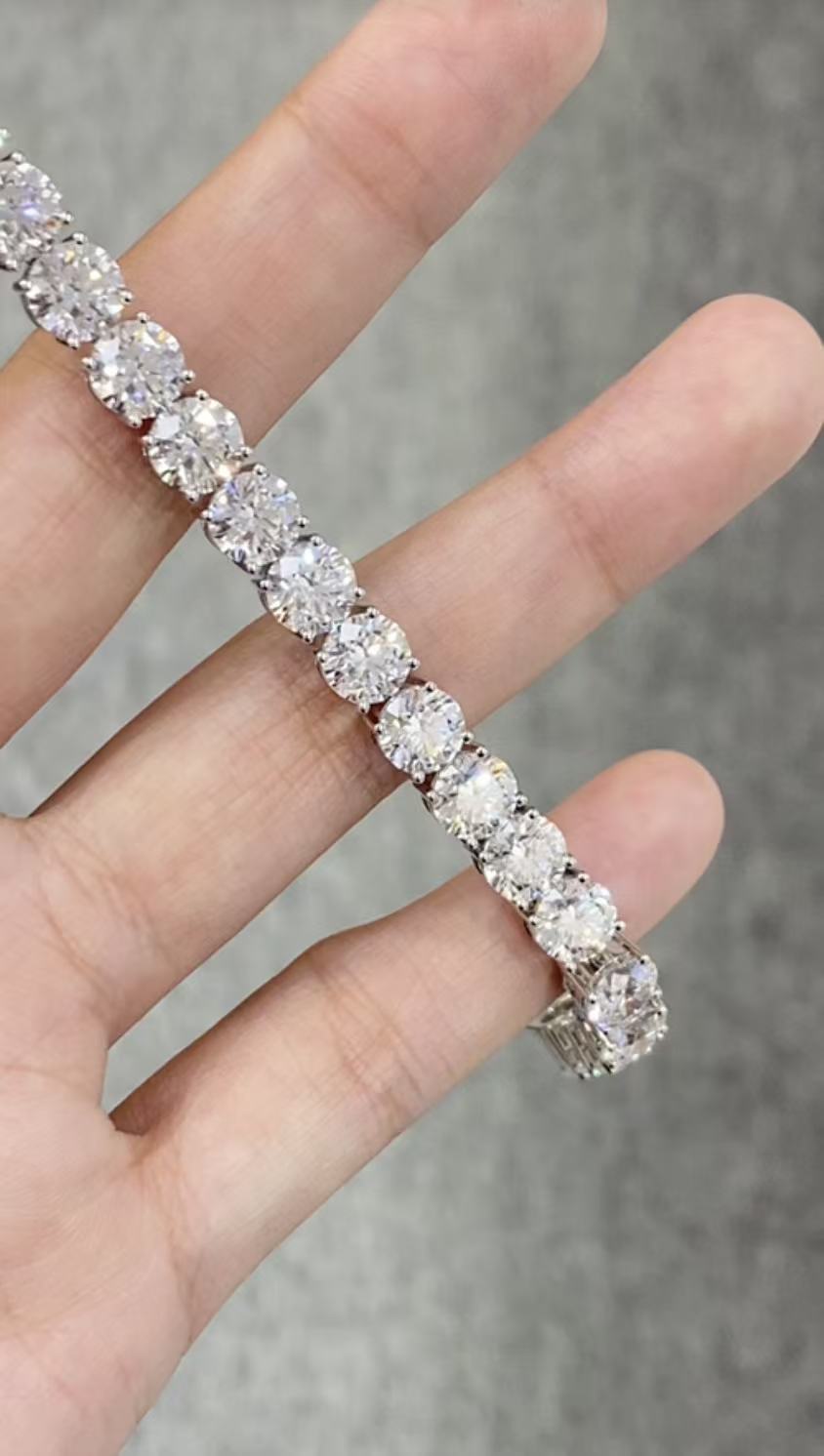
A set of earrings or a bracelet line needs stones that match one another in colour and size across the run. Suppliers therefore select by appearance from whatever production is available, which can mean a parcel contains both routes. That is normal practice, and it is not a defect provided it is disclosed.
If a programme requires single-process parcels, that requirement belongs in the purchase order, because it constrains selection and changes lead time.
What to ask a supplier in writing
Five questions that settle the issue before a deposit.
One: was the stone grown by CVD or HPHT, or is the parcel mixed. Two: does the report state the growth method explicitly. Three: has the stone been treated after growth, and how is that recorded. Four: what report format accompanies each stone — identification, screening or full grading. Five: if a parcel is mixed, how is the mixture recorded on the invoice and the packing list.
Answers in writing turn a claim into a specification, and a specification is what can be checked on arrival.
FAQ
Is CVD better than HPHT?
Neither is better as a finished material. Both produce diamond with identical physical and optical properties at the same grades. The differences are in production yield, achievable colour ranges and the internal features laboratories use to identify the route, which affects cost and documentation rather than the appearance of the cut stone.
How can I tell CVD from HPHT?
Not by eye and not with a handheld tester. Identification requires laboratory spectroscopy and imaging of growth patterns, luminescence and inclusions. In practice the growth method is established by the grading laboratory and stated on the report, which is why the report number should be verified rather than trusted.
Does the growth method appear on every grading report?
Not on every format. Full grading reports commonly state it, while shorter identification or screening documents may not. If the growth method matters to the order, specify the report format that states it and confirm the wording before production rather than after delivery.
Is a mixed CVD and HPHT parcel a problem?
Only if it is undisclosed. Suppliers select by appearance so that stones in a piece match one another, which can produce mixed parcels legitimately. If your programme requires single-process stones, state it as a specification, expect a longer lead time and a narrower selection, and confirm how the mixture is recorded on the invoice.
Sources and further reading
- Gems & Gemology — laboratory research on grown diamond identification
- GIA Gem Encyclopedia — diamond types and properties
- GIA — gem treatments and disclosure
- International Gemological Institute — grading and report formats
- CIBJO Blue Books — nomenclature for laboratory-grown materials
- International Gem Society — synthesis methods explained for buyers
Next step: If the growth method has to be documented for your programme, tell us the report format you need and whether parcels must be single-process, and we will confirm what each shipment will carry before the order is placed. Loose stones and finished pieces are both supplied. Contact vinico@zkzdiamonds.com or WhatsApp +86 135 3037 8229.
Part of our lab grown diamonds guide.
Recommended
 Does a lab-grown diamond need Kimberley Process paperwork when shipped?Lab Grown Diamond Guide
 Is it better to buy a loose lab-grown diamond and set it, or buy finished jewelry?Lab Grown Diamond Guide
 Is Lab Grown Diamond Jewelry a Good Investment?Buying Guides
 What is a “hearts and arrows” cut, and is it available in lab-grown stones?Lab Grown DiamondsDoes a lab-grown diamond need an appraisal, and what does one include?Lab Grown Diamonds
 Custom Lab Grown Diamond Jewelry: A Step-by-Step GuideCustom Jewelry