Prong or bezel: which suits a ring I wear while typing, lifting or cooking?
925 sterling silver jewellery, set with lab grown diamonds and made in our own Shenzhen workshop.
Talk · Selection & sizing
A buyer works at a keyboard, lifts at the gym and cooks most days, and wants a lab-diamond ring in sterling silver. They are choosing between a prong setting and a bezel and want to know which will hold up better in daily use.
 ZKZ Editorial TeamMain answer · Product & gemmology desk
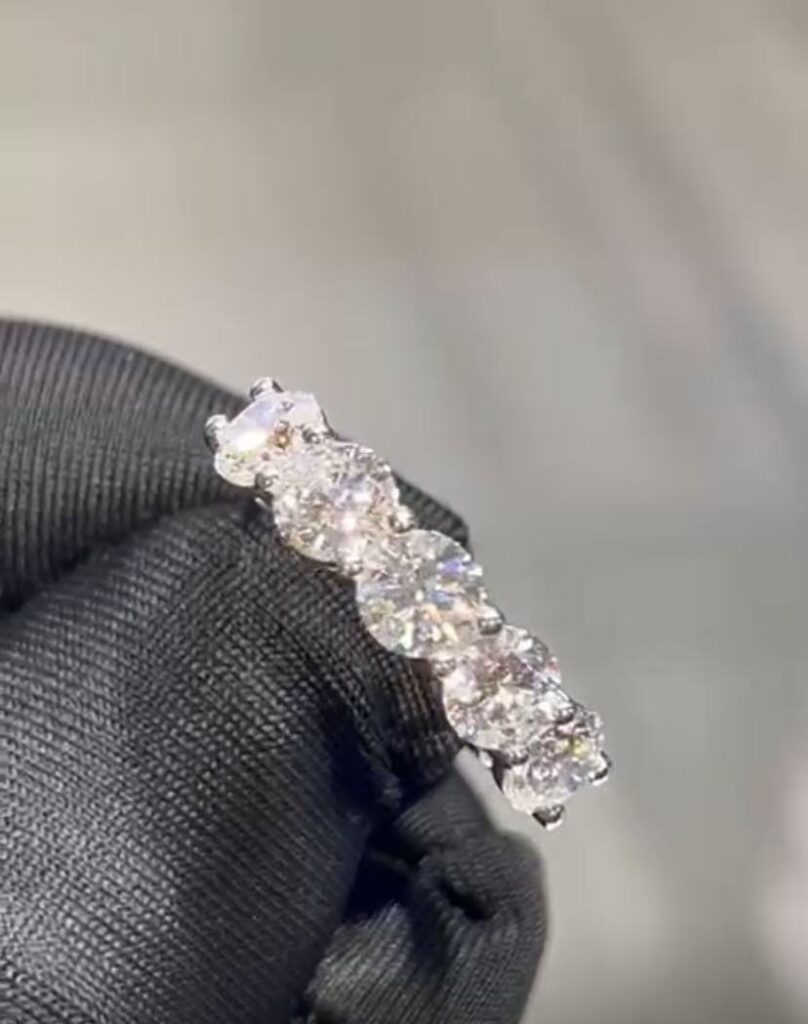
For a ring worn through typing, lifting and cooking, a bezel (a metal rim around the stone) is usually the better choice. It protects the stone's edge and does not catch on fabric. Prongs show more of the stone and let in more light, but they can snag and bend. A low, well-made prong head is a reasonable alternative if you check it regularly.
How the two compare
Fact GIA's shape guide says that stones with sharp corners or points need protective settings, and that a bezel gives maximum protection for a princess cut. It also says V-shaped prongs protect marquise and pear points.
Fact Jewelers Mutual says a ring that catches on clothing, blankets or hair can have a prong problem, and IGI says metal can bend under pressure, which can loosen prongs and put stones at risk.
Our advice In a prong setting, the stone is held by a few thin pieces of metal. They can snag and wear, and one bent prong can let a stone shift. In a bezel, the metal wraps the stone, so there is nothing to snag and the stone is held all around, although the rim can still dent and the stone shows less.
What this means in daily use
- Typing. Tall prongs can catch on cuffs, keyboards and cables. A low bezel is smooth.
- Lifting. Gripping bars, bags or tools presses the ring and can bend prongs. A bezel resists this better, but a thin band can still bend, so the band matters too.
- Cooking. Food and grease collect under prongs and around the stone. A bezel is easier to wipe, but residue can still build up at the edge. Take the ring off for kneading, and clean it regularly.
Trade-offs
- A bezel covers more of the stone, so it looks smaller and the stone gets less light.
- Prongs show more of the stone and are easier to clean underneath, but need more checks.
- A half-bezel or a low-profile six-prong head sits between the two.
- Repairing a bezel can be harder than re-tipping a prong, especially if the rim is dented.
A sensible choice
Our advice If you want the most practical option for hands-on use, choose a bezel or a half-bezel in a thicker band, and take the ring off for heavy work. If you prefer the look of prongs, choose a low setting and have it checked every six months.
It depends What suits you depends on how hard you are on your hands and how much you value sparkle. There is no setting that is immune to wear.
Related reading: Setting Styles for Engagement Rings: Solitaire, Halo, Pave and Bezel · Prong vs Bezel vs Halo Settings for Diamond Earrings
Sources
- GIA 4Cs, Guide to diamond shapes
- Jewelers Mutual, What to do if you need a ring repair
- IGI, Never do this with your jewelry
Fact = stated by the cited source. Our advice = editorial recommendation. Uncertain / it depends = limits of what can be said in general.
Other perspectives from the ZKZ team
Try both on and move your hands as you would at work. If a prong ring catches on a sleeve in a minute, it will do so every day.
Bezel settings use more metal and take more time, so they cost more to make. In exchange, they are usually more forgiving when knocked.
Whatever the setting, take the ring off for heavy lifting and for dough or raw meat, and wash it afterwards with warm water, mild soap and a soft brush.
Have a different question? Ask our team, or browse more answers in Talk.
Related products


Related articles & topics
- Can I wear a lab-diamond ring while sleeping?Talk
- Does Rhodium Plating Wear Off a Silver Diamond Ring, and Can It Be Redone?Talk
- How thick should a silver ring band be for daily wear?Talk
- Can I wear a diamond ring for manual work?Talk
- Is a Lab-Grown Diamond on Sterling Silver a Good Engagement Ring for Daily Wear?Talk
- How to Choose 925 Sterling Silver Jewelry for a Lab Grown Diamond LineGuide
- Stacking Silver Rings: Proportions, Widths and ComfortGuide
- Lab Grown Diamond Tennis Bracelets: Complete Buying GuideGuide
- Silver Necklaces for Sensitive Skin: What to Look ForGuide
- Jewelry Quality Control Checklist for Production OrdersGuide
Recommended
 What is the difference between GIA, IGI and in-house reports for lab-grown diamonds?Talk
 What bracelet size should I order if I have a small, medium or large wrist?Talk
 What are flat-back studs, and who needs them for cartilage or sleeping?TalkWhat jewelry suits an engagement-party or bridal-shower gift?Talk
 Can nickel-free silver jewelry still cause a reaction?Talk
 What are the black spots on my silver jewelry, and are they damage or tarnish?Talk