Setting Styles for Engagement Rings: Solitaire, Halo, Pave and Bezel
925 sterling silver jewellery, set with lab grown diamonds and made in our own Shenzhen workshop.
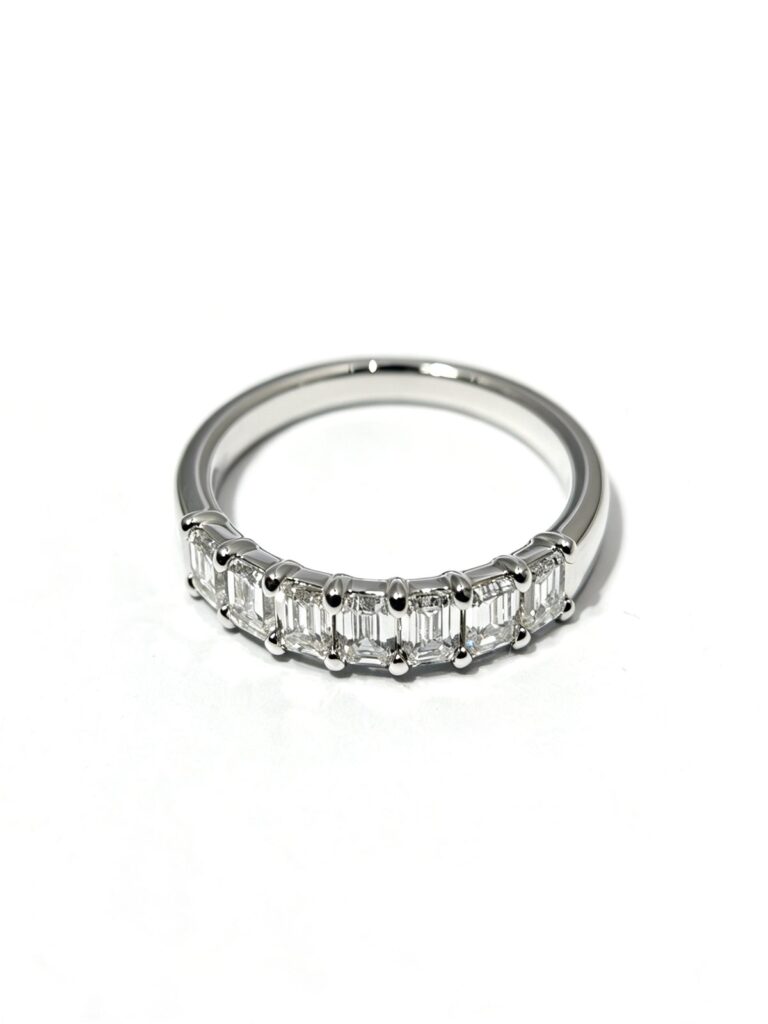
The setting that shows the most of the stone is also the one that exposes it to the most risk. That is not a design flaw; it is the trade every engagement ring makes. A four-prong solitaire places almost no metal in front of the diamond, which is why it looks largest for its weight, and the same absence of metal is why the claws bend on a snag. Once that trade is understood, the choice between solitaire, halo, pave and bezel becomes a question about the wearer’s hands and routine rather than a matter of taste.
Which engagement ring setting is most secure?
A bezel, because it holds the stone with a continuous rim instead of claws.
A bezel surrounds the girdle with metal all the way around, so there is no individual claw to catch and bend, and no gap between the stone and its mounting. Nothing protrudes. A prong setting relies on four or six points of metal pushed over the stone’s edge; each claw is a place where fabric can catch and where the pressure can loosen with repeated handling.
Security is not the only criterion, and a bezel does change how the stone reads. But if the ring will be worn by someone who works with their hands, the bezel is the specification that prevents the most common repair.
What a setting actually does
Three jobs at once, and the balance between them is the whole decision.
It holds the stone mechanically, it decides how much light reaches the stone from the sides, and it establishes the visual proportion of the ring by setting the stone’s height above the band. Those three functions conflict: gripping more of the stone secures it and blocks light; a higher position shows more of the stone and exposes more of it.
Every style below is a different resolution of that conflict, which is why there is no single best setting — only a best setting for a given hand and routine.
The four families compared
Protection, appearance and maintenance against each other.
| Setting | Grip | Snag risk | Apparent size | Cleaning |
|---|---|---|---|---|
| Solitaire, four-prong | Four claws | High | True to size | Easy; film collects beneath |
| Solitaire, six-prong | Six claws, more even | Moderate | True to size | Easy; more gaps to brush |
| Halo | Centre stone plus a ring of small stones | Highest | Noticeably larger | Most demanding |
| Pave shoulder | Small stones set along the band | High at the edges | Adds sparkle, not size | Needs a soft brush |
| Bezel | Continuous rim | Lowest | Slightly larger | Simplest |
Solitaire: the reference point
Maximum stone, minimum metal, and the style most often repaired.
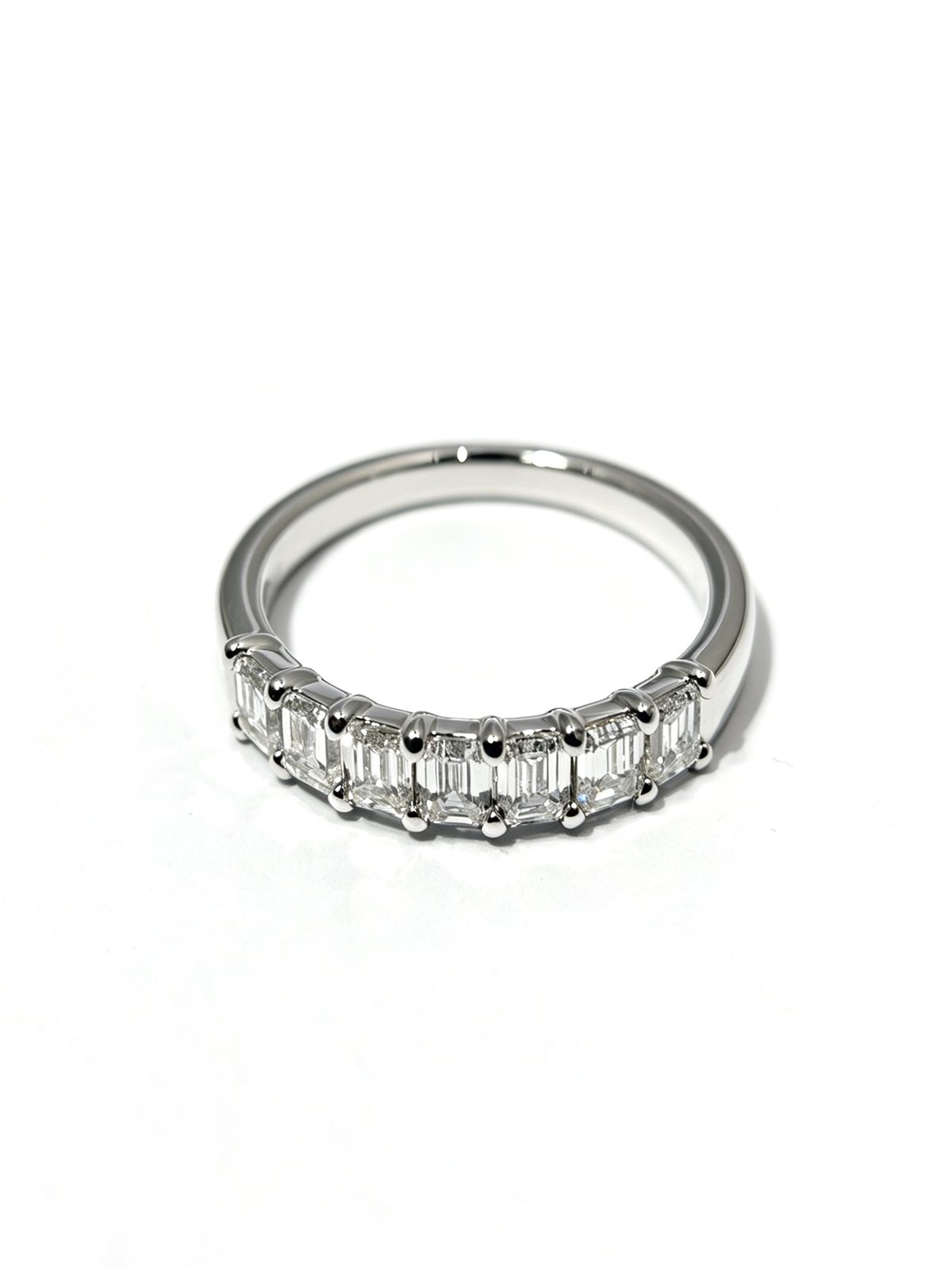
A solitaire presents the diamond with almost nothing in front of it, which is why it remains the standard against which apparent size is judged. Four prongs expose the most stone; six distribute the grip more evenly and reduce the chance that one bent claw releases it, at the cost of slightly more metal across the face. Prong tips should be finished smooth and the prongs thick enough to hold their shape, since a thin prong is the point where a solitaire fails.
For a ring worn daily, a low-set six-prong solitaire is the compromise most wearers settle on.
Halo: apparent size with extra maintenance
The strongest size effect per carat, and the setting that needs the most attention.
A halo surrounds the centre stone with a ring of small stones, which increases apparent size considerably without increasing the centre stone’s weight. On the hand, the effect is dramatic, which is why halos dominate bridal design.
The cost is in upkeep. A halo contains many small settings, each with its own claws, each collecting skin oils and product, and each a potential place to lose a small stone. On a ring worn continuously, a halo needs more frequent inspection than any other setting here — and it is also the setting most likely to catch on knitwear.
Pave: sparkle along the band
Pave changes the band rather than the centre stone, and it changes the resizing options too.
Pave sets small stones close together along the shoulders of the band, so the ring reads as continuously jewelled. It does not make the centre stone look larger; it makes the whole ring look more valuable. The construction is labour-intensive because each small stone is set individually into a prepared seat.
The practical consequence is that a pave shoulder cannot be cut for resizing without rebuilding that section. A ring with pave through the shoulders is difficult to adjust by more than a small amount, so its size needs to be right from the start.
Bezel: protection with a different look
A continuous rim of metal, a slightly larger appearance and the lowest snag risk.
The bezel wraps the stone’s edge in metal, protecting the girdle completely and sitting lower against the finger than a basket setting. Because the rim adds a visible outline, the stone appears slightly larger than its actual diameter. It also traps less moisture against the finger and is easier to keep clean.
The trade is light and style: a bezel blocks some light entering from the sides and reads as a more solid, more contemporary design. Where the aim is to show off a cut, it is the wrong choice; where the aim is a ring that survives daily wear, it is usually right.
Height: the variable nobody specifies
Setting height affects comfort, snagging and apparent size, and it is rarely written into an order.
A tall setting shows more of the stone from the side and photographs larger, but it sits further from the finger, catches on more things and applies more leverage if it is knocked. A low setting sits close to the band, is more stable and is less likely to catch, but reads smaller from an angle.
Height should be specified in millimetres and checked against the neighbouring fingers, because a high setting that interferes with the ring finger beside it will be noticed every day.
Matching the setting to the wearer
Five questions that usually settle the choice.
One: does the wearer work with their hands, or wear gloves. Two: will the ring be worn continuously, including at night. Three: is the priority apparent size or durability. Four: does the ring have to sit flush against a wedding band. Five: how much maintenance is acceptable over the next decade.
Answers of hands-on work, continuous wear and low maintenance point to a bezel or a low six-prong. Answers of occasional wear and maximum presence point to a halo or a high solitaire. Whichever setting is chosen, the finger still has to be measured correctly, which the ring size method covers in detail.
What to check before committing
Five checks that catch the common faults.
Confirm the setting height in millimetres and that it does not obstruct the neighbouring finger. Confirm the prong count and tip finish, and check by running a fingertip across them for sharpness. Confirm the band profile and width, since both affect fit. Confirm whether the shoulders are pave and whether resizing will be possible as a result. And confirm the documentation: the report for the centre stone and the metal specification with its hallmark.
Where the ring is being made, approve a sample or rendering against all five before production starts.
FAQ
Which engagement ring setting is most secure?
A bezel, because the stone is held by a continuous rim of metal rather than by individual claws, so there is nothing to catch and no single point of pressure to loosen. For a wearer who works with their hands or wears the ring continuously, it prevents the most common repair.
Halo or solitaire: which should I choose?
A halo gives a strong apparent size increase for the same centre stone and suits occasional wear. A solitaire shows the stone at its true size and is easier to keep clean and inspect. For daily wear, a low solitaire usually needs less attention than a halo with its many small settings.
Does a pave band make the centre stone look bigger?
No. Pave sets small stones along the shoulders so the whole ring reads as more jewelled, but it does not change how large the centre stone appears. It does change resizing options, because a pave shoulder cannot be cut and rejoined without rebuilding that section.
How high should an engagement ring setting sit?
As low as the design allows while still showing the stone. A lower setting is more stable, less likely to catch on clothing and less likely to interfere with the neighbouring finger. Specify the height in millimetres and check it against the hand rather than judging from a photograph.
Sources and further reading
- GIA 4Cs — how setting and cut affect appearance
- GIA — diamond grading overview
- International Gemological Institute — grading and reports
- Assay Office — precious metal standards and hallmarking
- CIBJO Blue Books — jewellery terminology
- International Gem Society — setting types explained
Next step: Tell us how the ring will be worn and whether a wedding band has to sit flush against it, and we will recommend the setting family and height, then sample it before production so comfort and clearance are confirmed on the hand. Ready-stock and OEM programmes are both available. Contact vinico@zkzdiamonds.com or WhatsApp +86 135 3037 8229.
{“@context”:”https://schema.org”,”@type”:”FAQPage”,”mainEntity”:[{“@type”:”Question”,”name”:”Which engagement ring setting is most secure?”,”acceptedAnswer”:{“@type”:”Answer”,”text”:”A bezel, because the stone is held by a continuous rim of metal rather than by individual claws, so there is nothing to catch and no single point of pressure to loosen. For a wearer who works with their hands or wears the ring continuously, it prevents the most common repair.”}},{“@type”:”Question”,”name”:”Halo or solitaire: which should I choose?”,”acceptedAnswer”:{“@type”:”Answer”,”text”:”A halo gives a strong apparent size increase for the same centre stone and suits occasional wear. A solitaire shows the stone at its true size and is easier to keep clean and inspect. For daily wear, a low solitaire usually needs less attention than a halo with its many small settings.”}},{“@type”:”Question”,”name”:”Does a pave band make the centre stone look bigger?”,”acceptedAnswer”:{“@type”:”Answer”,”text”:”No. Pave sets small stones along the shoulders so the whole ring reads as more jewelled, but it does not change how large the centre stone appears. It does change resizing options, because a pave shoulder cannot be cut and rejoined without rebuilding that section.”}},{“@type”:”Question”,”name”:”How high should an engagement ring setting sit?”,”acceptedAnswer”:{“@type”:”Answer”,”text”:”As low as the design allows while still showing the stone. A lower setting is more stable, less likely to catch on clothing and less likely to interfere with the neighbouring finger. Specify the height in millimetres and check it against the hand rather than judging from a photograph.”}}]}
Part of our sterling silver rings guide.
Recommended
 Does a lab-grown diamond need Kimberley Process paperwork when shipped?Lab Grown Diamond Guide
 Is it better to buy a loose lab-grown diamond and set it, or buy finished jewelry?Lab Grown Diamond GuideHow do I choose a bypass or open ring that stays comfortable?Lab Grown Diamond Rings
 How do I choose between a solitaire, halo and three-stone ring?Lab Grown Diamond Rings
 Is Lab Grown Diamond Jewelry a Good Investment?Buying Guides
 What is a “hearts and arrows” cut, and is it available in lab-grown stones?Lab Grown Diamonds