Should I insure a sterling silver lab-diamond ring, and what value should I declare?
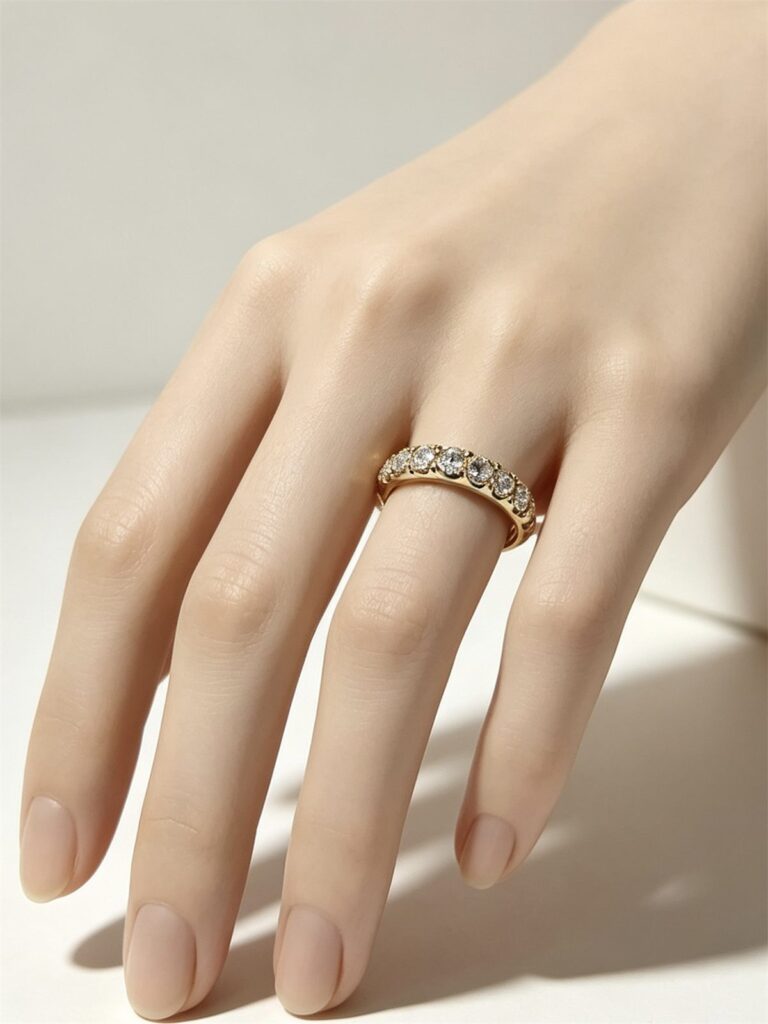
925 sterling silver jewellery, set with lab grown diamonds and made in our own Shenzhen workshop.
Talk · Buying & value
A buyer has spent a moderate amount on a sterling silver ring with a lab-grown diamond. A friend says it is not worth insuring, and another says they should declare the full price. They want to know what to do and what value to put on the policy.
 ZKZ Editorial TeamMain answer · Product & gemmology desk
It can be worth insuring if losing the ring would hurt you, but check the cost against the value and compare it with what your home or travel policy already covers. When you insure, the usual basis is the replacement value, meaning the cost to repair or replace it with a piece of the same kind and quality, which is documented by a receipt or an appraisal. Keep the paperwork, and read what the policy excludes.
What value to declare
Fact Jewelers Mutual, a US jewelry insurer, says an appraisal gives an expert estimate of the piece's current retail replacement value, which is how much it would cost to recreate it, and that retail replacement value is higher than resale value. It recommends a new appraisal every two years, as values change.
Fact It also says that most customers can start coverage without an appraisal, with some exceptions, but that you do need an appraisal or other adequate documentation when you file a claim.
Our advice For a ring you bought recently, the receipt and the report for the stone are the starting point. If the price was a promotional price, the replacement cost today could differ, so ask the insurer which figure it wants.
Uncertain This describes one US insurer's published approach. Other insurers and other countries differ, and we cannot say how any given policy values lab-grown stones, since prices for them have changed a lot, so ask.
What to keep
- The receipt and order confirmation.
- The laboratory report or grading document for the stone.
- Photos of the ring from several sides, with a scale.
- Any appraisal, with a description of metal, stone and weight.
What to compare
- Your existing policy. Home or renters' insurance may cover jewelry only up to a low limit, or exclude loss and accidental damage.
- A separate policy. It may cover loss, theft and damage, sometimes with repair.
- Excess and cost. Compare the premium with the value of the ring and the excess.
- Repair or replace. Ask whether the insurer replaces with a like piece, pays cash, or allows your own jeweler.
- Lab-grown wording. Check that the policy accepts a laboratory-grown stone and describes it correctly.
- Travel. Check whether cover applies abroad and in transit.
Do you need it?
It depends A lower-cost silver ring may cost more to insure than to replace, while a ring with a high-value stone or great personal value may be worth covering. It depends on your budget, how often you wear it and how you would feel about losing it.
Our advice Whatever you choose, wear it with care, have it checked once a year, and keep the documents in a safe place, separate from the ring.
Related reading: Lab Grown Diamond Certification: IGI, GIA and What to Check · Exclusive Certificate — Stone Documentation for Lab Grown Diamonds
Sources
- Jewelers Mutual, Jewelry appraisals for insurance
- Jewelers Mutual, What to do if you need a ring repair
Fact = stated by the cited source. Our advice = editorial recommendation. Uncertain / it depends = limits of what can be said in general.
Other perspectives from the ZKZ team
Ask the seller for a written description with the stone weight, grade and report number. It makes any later appraisal or claim simpler.
Be honest about what the ring is. An insurer needs an accurate description, including that the stone is laboratory-grown, or a claim may be disputed.
A policy does not stop damage. Check prongs and settings regularly, because insurers expect reasonable care, and a stone saved is better than a claim paid.
Have a different question? Ask our team, or browse more answers in Talk.
Related products
Related articles & topics
- Is a Lab-Grown Diamond on Sterling Silver a Good Engagement Ring for Daily Wear?Talk
- Can I Shower or Swim in Sterling Silver Lab-Diamond Jewelry?Talk
- How do I price lab-diamond silver jewelry for retail from a factory quote?Talk
- How often should prongs on a lab-diamond ring be checked?Talk
- Can I wear a lab-diamond ring while sleeping?Talk
- Lab Diamond vs Moissanite: Differences and Which to BuyGuide
- 2026 Lab-Grown Diamond Industry Outlook: Prices, Supply and Jewelry DemandGuide
- Lab Diamond Hoops and Drop Earrings: Styles and WeightGuide
- Lab Diamond Bracelets for Everyday Wear: Styles and DurabilityGuide
- Sterling Silver vs White Gold: Which Should You Choose?Guide
Recommended
 What is the difference between GIA, IGI and in-house reports for lab-grown diamonds?Talk
 What bracelet size should I order if I have a small, medium or large wrist?Talk
 What are flat-back studs, and who needs them for cartilage or sleeping?TalkWhat jewelry suits an engagement-party or bridal-shower gift?Talk
 Can nickel-free silver jewelry still cause a reaction?Talk
 What are the black spots on my silver jewelry, and are they damage or tarnish?Talk