Can a seller call a lab-grown diamond “real” or “conflict-free”?
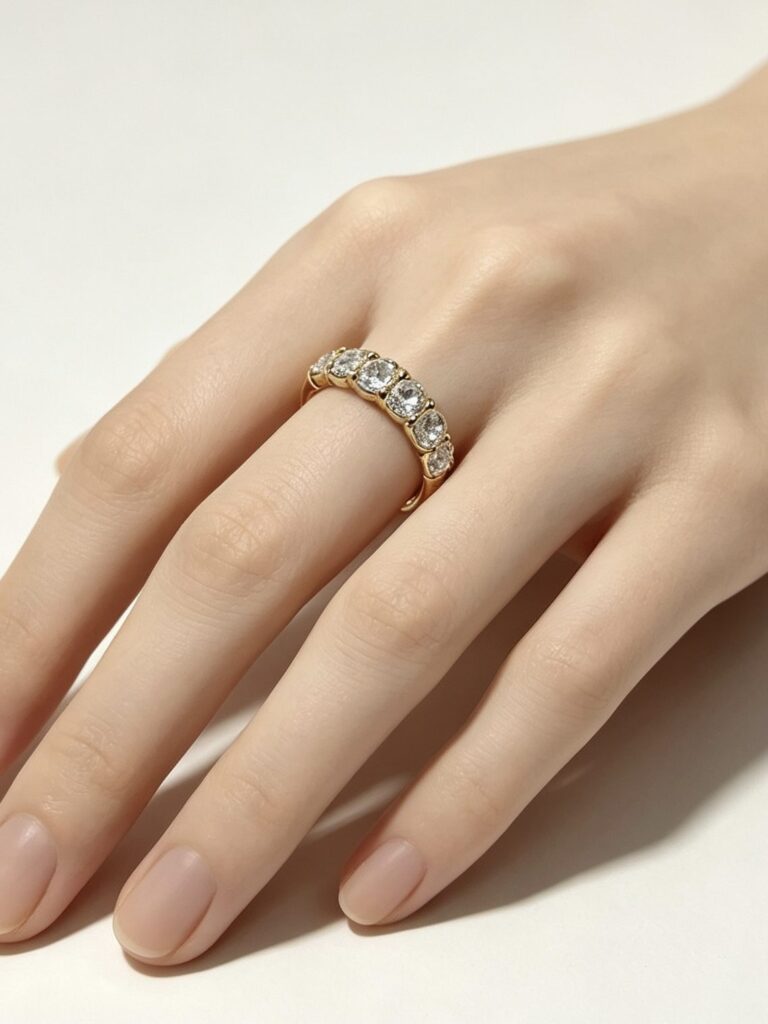
925 sterling silver jewellery, set with lab grown diamonds and made in our own Shenzhen workshop.
Talk · Compliance & disclosure
A shop describes its lab-grown diamond jewelry as "real diamonds, conflict-free". A reader wonders whether those words are allowed, and what a seller should say instead. Both words feel natural, but they may mean more than they appear to.
 ZKZ Editorial TeamMain answer · Product & gemmology desk
In the US, the FTC Jewelry Guides say a lab-grown diamond should be clearly disclosed with a qualifier such as "laboratory-grown", and that "real", "genuine" and "natural" should not be used for products made artificially. "Conflict-free" is a separate claim that needs to be accurate and supportable, and it is about how a diamond was sourced, which the lab-grown label alone does not show.
"Real", "genuine" and "natural"
Fact 16 CFR 23.27 says it is unfair or deceptive to use the words "real", "genuine", "natural", "precious", "semi-precious" or similar terms to describe any industry product that is manufactured or produced artificially.
Fact The FTC's "In the Loupe" guidance says a seller of laboratory-created diamonds should describe them as "laboratory-grown", "laboratory-created", "[manufacturer name]-created" or a similar term, immediately before the word "diamond" and with equal prominence, so it is clear the stone is not mined.
Our advice So the word "real" next to a lab-grown stone is risky. A seller can say accurately that the stone is a diamond in chemistry and structure, with a clear "lab-grown" in the same phrase. For example: "laboratory-grown diamond: the same material as a mined diamond, grown in a laboratory".
"Conflict-free"
Fact The Kimberley Process is an international scheme to keep conflict diamonds out of legitimate trade. Its published figures refer to rough diamond production and trade between participating states.
Uncertain The Kimberley Process was designed for mined rough diamonds, so it does not directly apply to a stone that is grown in a laboratory. This is our reading, not a statement by the scheme, and different countries treat the wording of such claims differently.
Our advice A lab-grown diamond is not mined, so it does not come from a mine. That is a factual statement, and it is clearer than "conflict-free", which can imply a certification that does not exist for the stone. If a seller uses "conflict-free", it should be able to explain what it means and show the basis for it, such as supplier statements and production records.
What a seller can say
- "Laboratory-grown diamond" or "lab-grown diamond".
- "Grown in a laboratory, not mined."
- The laboratory that reported on it, if there is a report.
- Details of the producer, if the seller can verify them.
Things to avoid
- "Real", "genuine" and "natural" on a lab-grown stone.
- "Conflict-free", "ethical" or "sustainable" without evidence.
- "Diamond" with no qualifier on its own.
It depends Rules about these claims vary by country, and the FTC Guides are US guidance. If you sell abroad, check the local rules for each market.
Related reading: What Are Lab Grown Diamonds? A Plain-English Explanation · Lab Grown Diamond Certification: IGI, GIA and What to Check
Sources
- 16 CFR 23.27, FTC Jewelry Guides: misuse of "real", "genuine", "natural", "precious" and similar words
- FTC, In the Loupe: Advertising Diamonds, Gemstones and Pearls
- 16 CFR 23.12, FTC Jewelry Guides: definition and misuse of the word "diamond"
- Kimberley Process Certification Scheme
Fact = stated by the cited source. Our advice = editorial recommendation. Uncertain / it depends = limits of what can be said in general.
Other perspectives from the ZKZ team
Keep origin wording and ethics wording separate. First say what the stone is, in plain words. Then, only if you can support it, say something about sourcing.
Ask your supplier for written statements about production and for any report, so that the claims you make match what you can show.
As a buyer, a seller who says "lab-grown" clearly and avoids vague adjectives is usually a better sign than one with many reassuring words.
Have a different question? Ask our team, or browse more answers in Talk.
Related products
Related articles & topics
- What should a lab-grown diamond disclosure look like on a product page?Talk
- Is a diamond a good April birthstone gift, and what are the lab-grown options?Talk
- What does fluorescence mean on a lab-grown diamond report?Talk
- Is a Lab-Grown Diamond on Sterling Silver a Good Engagement Ring for Daily Wear?Talk
- Can a Lab-Grown Diamond Pass a Diamond Tester?Talk
- Coloured Lab Grown Diamonds: Pink, Blue, Yellow and BeyondGuide
- Resizing and Maintaining a Lab Diamond RingGuide
- Lab Diamond vs Moissanite: Differences and Which to BuyGuide
- Cleaning Lab Diamond Earrings Without Damaging the SettingGuide
- Lab Diamond Necklace Lengths and LayeringGuide
Recommended
 What is the difference between GIA, IGI and in-house reports for lab-grown diamonds?Talk
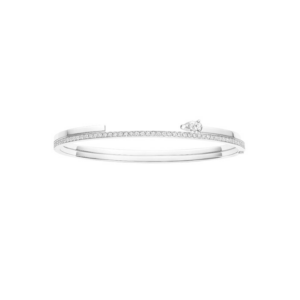 What bracelet size should I order if I have a small, medium or large wrist?Talk
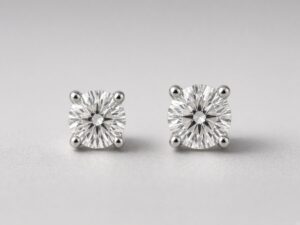 What are flat-back studs, and who needs them for cartilage or sleeping?TalkWhat jewelry suits an engagement-party or bridal-shower gift?Talk
 Can nickel-free silver jewelry still cause a reaction?Talk
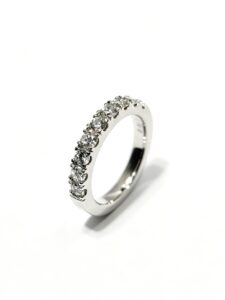 What are the black spots on my silver jewelry, and are they damage or tarnish?Talk