How are solder joints on silver jewelry repaired without damaging stones?
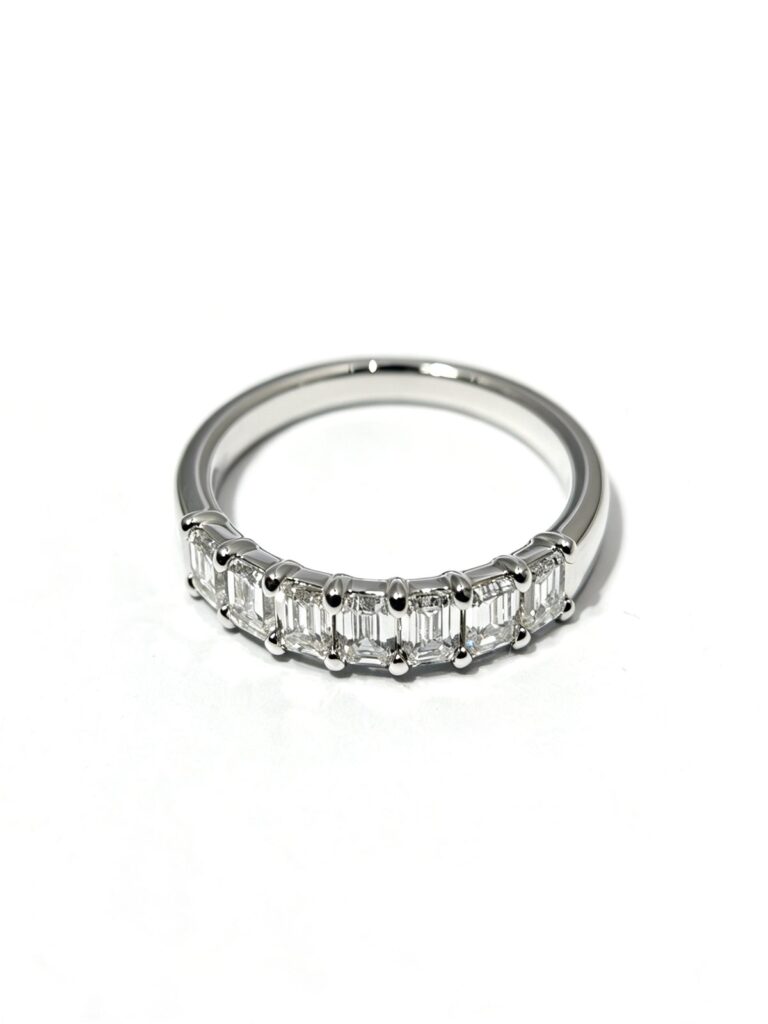
925 sterling silver jewellery, set with lab grown diamonds and made in our own Shenzhen workshop.
Talk · Repair & Troubleshooting
A buyer needs a silver ring resized and is told the jeweller may need to remove the lab-grown diamond or use a special approach. They ask how soldering is done near stones and what risks exist.
 ZKZ Editorial TeamMain answer · Product & gemmology desk
Soldering uses heat, and stones differ in how much they can take. Jewellers protect stones, work away from them or remove them first. The safest approach depends on the stone, the design and how far the join is from the setting.
Why heat matters
Fact GIA's care guide says diamonds are very stable but that situations involving sudden and extreme temperature changes are the more threatening, and that diamonds burn at about 850°C, a temperature that jewellers' torches can reach.
Our advice Silver conducts heat well, so heat applied to a join can travel along the band to the stone. Lab-grown diamonds are diamonds, but other stones, glued stones and treated stones can be more sensitive.
How jewellers protect stones
- Remove the stone: the safest option for many repairs.
- Heat sink: wet cloth, paste or a clamp to draw heat away from the setting.
- Work far from the stone: a join at the bottom of a band is easier than one next to a setting.
- Controlled heat: a small, precise flame or a laser welder for tiny joins.
- Pickling and cooling: a controlled process to clean the metal without thermal shock.
What increases risk
- Stones set close to the join
- Glued or fracture-filled stones
- Soft stones such as pearls and opals
- Eternity bands where stones go all the way round
Questions to ask
- Will the stone be removed or protected?
- What happens if the stone is damaged, and who is responsible?
- Is laser welding an option?
Our advice A good jeweller will explain the plan and the risk before starting. Ask for written terms if the stone is valuable.
It depends How much risk remains depends on the stone, the join location and the jeweller's equipment and skill.
Uncertain We cannot guarantee that no stone will be affected. Even careful work carries some risk, which is why the jeweller should tell you the plan first.
Related reading: What should I do if my jewelry arrives damaged or not as described? · What Does 925 Mean on Silver Jewelry?
Sources
Fact = stated by the cited source. Our advice = editorial recommendation. Uncertain / it depends = limits of what can be said in general.
Other perspectives from the ZKZ team
Our rule is simple: if the stone is close and we cannot protect it, we take it out. Re-setting a stone is far cheaper than replacing one that cracked.
Tell the jeweller about every stone and any past repairs. Glued or treated stones need to be treated differently from loose-set ones.
If you expect to resize a ring, avoid designs with stones all the way round. They limit what a jeweller can do without risk.
Have a different question? Ask our team, or browse more answers in Talk.
Related products
Related articles & topics
- How do I choose jewelry for a bride in silver and lab-grown diamond?Talk
- Can nickel-free silver jewelry still cause a reaction?Talk
- Casting or stamping: which suits small runs of silver jewelry?Talk
- Does silver-plated jewelry tarnish, and how is it different from sterling?Talk
- Should I take silver jewelry off for sleep, exercise or showers?Talk
- How to Choose a Lab Diamond: The 4Cs Without the JargonGuide
- Will a Silver Ring Turn My Finger Green?Guide
- Silver Necklaces for Sensitive Skin: What to Look ForGuide
- How to Stop Silver Earrings From Irritating Your EarsGuide
- Lab Grown Diamond Earrings in Silver: Buying ChecklistGuide
Continue with the jewelry repair, wear & safety guide for related answers and deeper context.
Recommended
 Does a matte, brushed or satin finish on silver wear differently from polish?Care & Cleaning
 Jewelry Care Myths: What Actually Damages Silver and DiamondsCare & Cleaning
 How do I repair a broken bracelet clasp or replace it with a better one?Care & Cleaning
 How can I tell if an earring reaction is irritation or an infection?Care & CleaningWhich cleaning solution should I use in an ultrasonic cleaner for silver jewelry?Care & Cleaning
 Can You Shower or Swim With Jewelry? Metal-by-Metal GuideCare & Cleaning