Jewelry Care Myths: What Actually Damages Silver and Diamonds
925 sterling silver jewellery, set with lab grown diamonds and made in our own Shenzhen workshop.
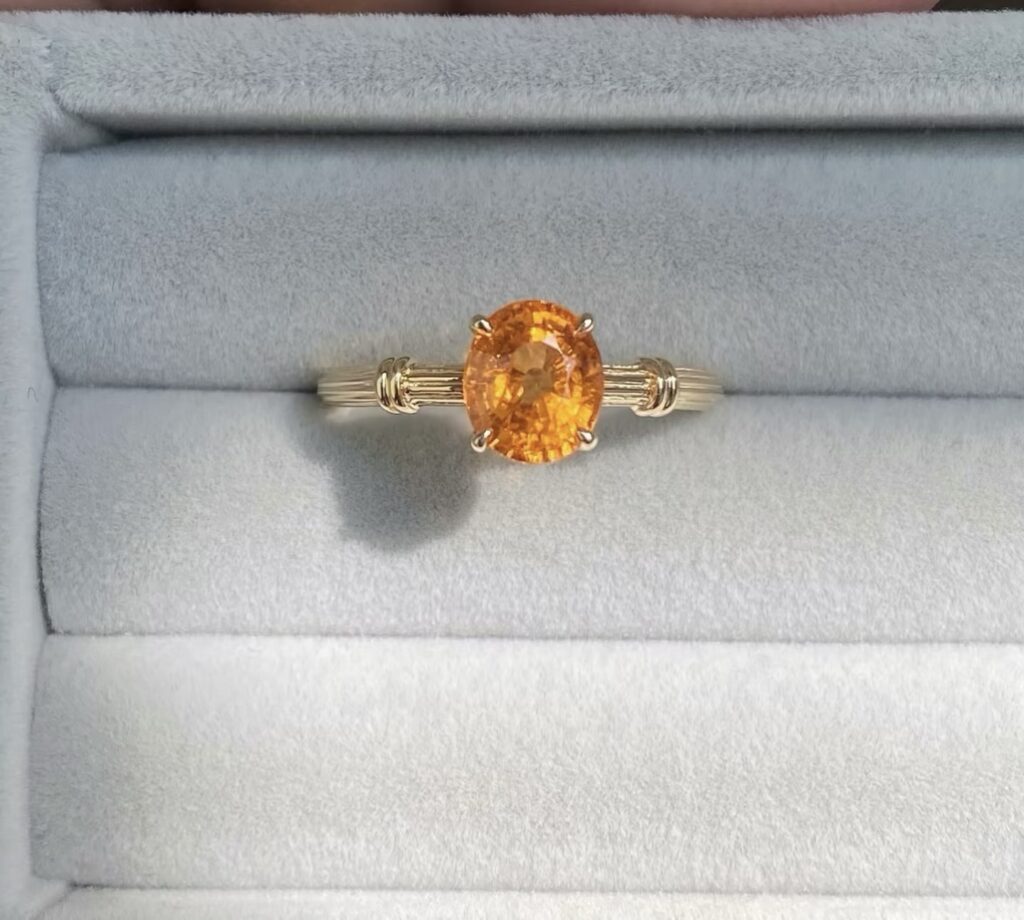
Two pieces arrive at the bench with the same complaint and opposite causes. One has been cleaned weekly with toothpaste and its prong tips have been rounded to the point where a stone is loose. The other has never been cleaned at all, and the film on the pavilion has made a well-cut stone look flat. Both owners believed they were caring for the piece. Care advice circulates widely and much of it is wrong, and the wrong advice is usually the convenient kind.
Myth: toothpaste is a safe jewellery cleaner
It is an abrasive paste, and every use removes a little metal.
Toothpaste is formulated to polish tooth enamel using a mild abrasive, and applied to jewellery the same abrasive rounds off prong tips and softens engraving. The effect is cumulative and invisible until a stone loosens or lettering stops reading. The same applies to baking soda, salt scrubs and any product marketed as a paste for cleaning metal. A soft brush and warm soapy water remove the film that actually causes dullness without touching the metal.
This is the most common cause of avoidable damage we see, and it is entirely a matter of habit rather than misuse of the piece.
Myth: a silver dip is the quickest safe option
It works, and it strips plating and oxidised finishes.
Chemical dips dissolve tarnish quickly and do not abrade the metal, which makes them appropriate for plain unplated silver. On a plated piece they strip the coating. On an oxidised piece they remove the deliberate darkening in the recesses that gives the design its contrast. And on a piece with stones, some dips can affect certain gem materials. Read the label against the piece rather than against the metal category.
Where a piece is plated or oxidised, soap and water is the routine and a polishing cloth is the fallback.
Myth: ultrasonic cleaning is safe for everything
It is safe for sound settings and unsuitable for several common constructions.
| Piece | Ultrasonic | Reason |
|---|---|---|
| Diamond in a sound prong or bezel setting | Usually fine | Settings tolerate vibration |
| Pave or halo with many small settings | Avoid | Many small claws, some already weak |
| Glued or semi-set stones | No | Vibration releases adhesive |
| Treated or fracture-filled stones | No | Vibration can affect the treatment |
| Opal, pearl, emerald, turquoise | No | Soft or chemically sensitive |
| Plated finishes | Avoid | Vibration accelerates coating wear |
Myth: diamonds cannot be damaged
Hardness is not toughness, and a diamond chips along its girdle.
Diamond is the hardest material used in jewellery, which means it resists scratching. It is not especially tough, and a sharp impact at the wrong angle can chip or cleave it, most often at the girdle where the stone is thinnest. This is why a stone can survive decades of wear and then chip on a door handle. The practical precautions are ordinary: remove rings for sport and heavy work, and check settings after any impact.
The related myth is that a diamond can be cleaned with anything, which is true of the stone and false of the setting around it.
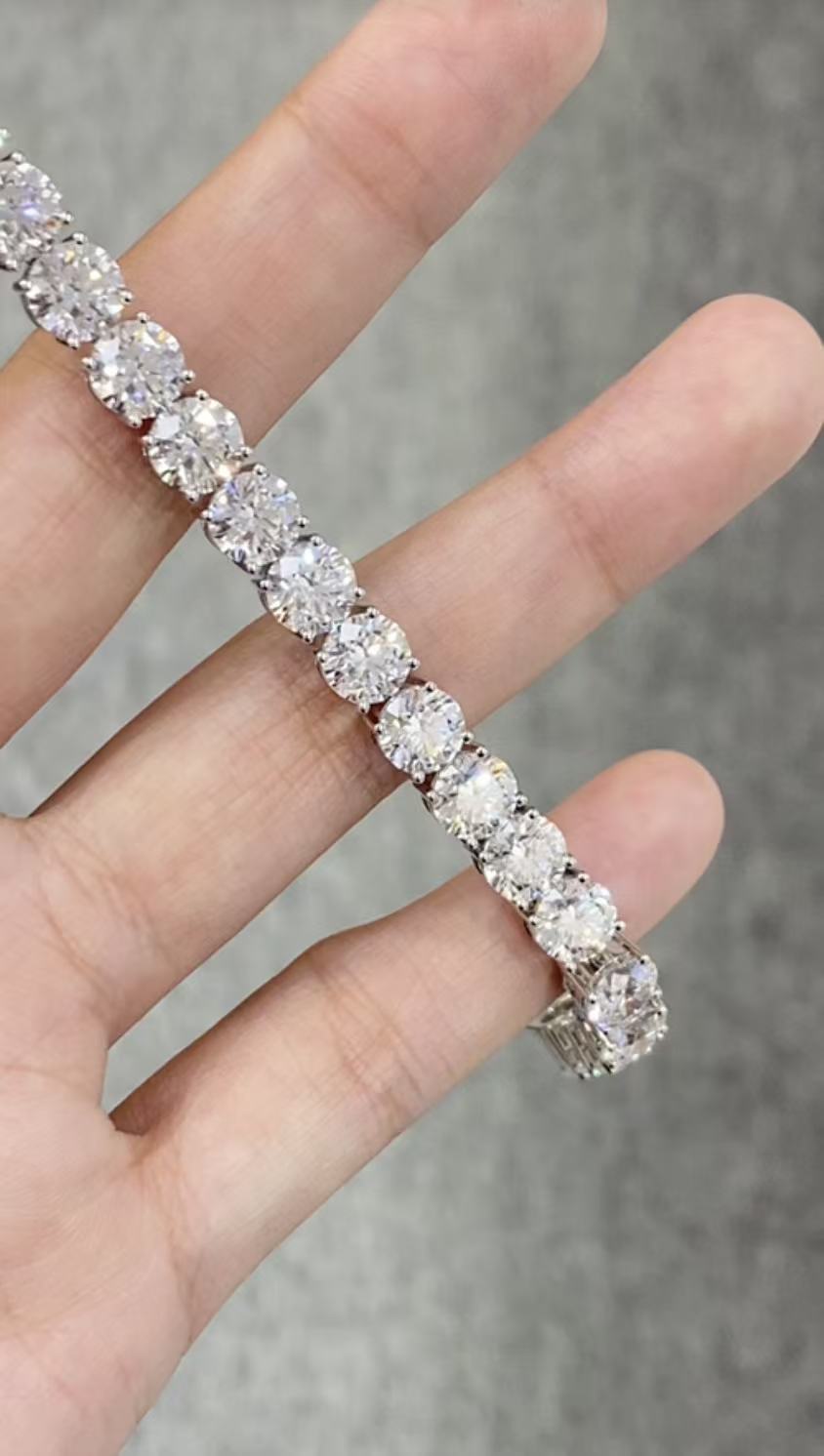
Myth: silver tarnish means the piece is poor quality
It is a surface reaction that every silver alloy undergoes.
Sterling silver contains copper or a similar addition, and both react with sulphur compounds in air and on skin. A blackened chain is not weaker than a bright one, and the tarnish removes completely. What differs between alloys is the rate, and tarnish-resistant formulations do exist. The practical response is storage and routine cleaning rather than replacement. Our guide to cleaning silver at home covers the method.
Myth: you can wear anything in water
Solid metal is fine; coatings, adhesives and soft stones are not.
Chlorine attacks silver alloys and accelerates the wear of plated coatings. Soap and shampoo leave a residue that collects behind settings. Heat softens adhesives. And the most common outcome of all is physical loss, because a clasp that opens in a pool is far more frequent than any chemical damage. Plain gold and platinum pieces tolerate both showering and swimming; plated pieces, glued settings and soft or treated stones should come off. The metal-by-metal detail is in our guide to showering and swimming with jewellery.
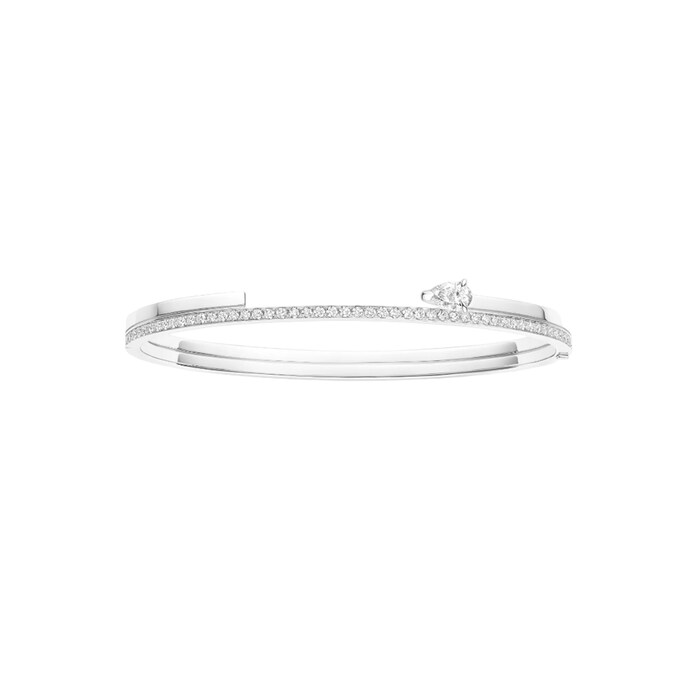
Myth: storing jewellery together is fine if it is all precious
Diamond scratches every other jewellery material, including gold and platinum.
Hardness describes what scratches what, so a diamond will mark silver, gold and platinum effortlessly, and two gold pieces will mark each other. Storing pieces loose in one box produces a collection of fine scratches that then need polishing, and polishing removes metal. Coiling a necklace into a shared box also presses prongs against neighbouring settings, which is the storage habit that leads to loose stones. Separate compartments or pouches solve both.
What actually damages jewelry
Five causes, in order of how often they appear.
Abrasive cleaning, which removes metal a little at a time. Chemicals, particularly chlorine on silver and plated finishes. Impact, which chips stones and bends prongs. Storage contact, which scratches and presses settings. And neglect, which is the mildest but the most common: a film of oil that makes a good stone look dull. Four of the five are habits rather than accidents, and all four are easy to change.
The routines that work are unglamorous: warm water, mild soap, a soft brush, dry separate storage, and an inspection every few months.
FAQ
Does toothpaste damage jewelry?
It abrades it. Toothpaste contains a mild abrasive, and applied to jewellery it rounds off prong tips and softens engraving over repeated use. The same applies to baking soda and salt scrubs. Warm water with a drop of mild soap and a soft brush removes the film that causes dullness without touching the metal.
Can I use silver dip on all silver jewelry?
No. Dips dissolve tarnish and do not abrade the metal, which makes them suitable for plain unplated silver. They strip plating and remove deliberate oxidation from recesses, and some can affect sensitive stones. Soap and water is the routine for plated or oxidised pieces.
Can diamonds break or chip?
Yes. Diamond is the hardest jewellery material, so it resists scratching, but it is not especially tough and a sharp impact can chip it, most often at the thin girdle. That is why a stone can survive decades and then chip on a door handle. Remove rings for sport and heavy work, and check settings after impact.
Is it bad to store jewelry together?
Yes, in direct contact. Hardness determines what scratches what, so a diamond will mark gold and platinum, and two gold pieces will mark each other. Coiling necklaces in a shared box also presses prongs against neighbouring settings. Separate compartments or pouches solve both problems.
Sources and further reading
- The Silver Institute — tarnish chemistry and alloy behaviour
- ASTM B700 — electrodeposited silver coating specification
- GIA — treatments and cleaning restrictions
- GIA Gem Encyclopedia — diamond hardness and toughness
- Assay Office — precious metal care guidance
- International Gem Society — gemstone care reference
Next step: If a piece has rounded prongs, a loosened stone or plating that has been stripped by a dip, send us a photograph and the specification and we will tell you whether it needs re-tipping, re-plating or a rebuild. Repairs, ready-stock pieces and OEM programmes are all handled. Contact vinico@zkzdiamonds.com or WhatsApp +86 135 3037 8229.
{“@context”:”https://schema.org”,”@type”:”FAQPage”,”mainEntity”:[{“@type”:”Question”,”name”:”Does toothpaste damage jewelry?”,”acceptedAnswer”:{“@type”:”Answer”,”text”:”It abrades it. Toothpaste contains a mild abrasive, and applied to jewellery it rounds off prong tips and softens engraving over repeated use. The same applies to baking soda and salt scrubs. Warm water with a drop of mild soap and a soft brush removes the film that causes dullness without touching the metal.”}},{“@type”:”Question”,”name”:”Can I use silver dip on all silver jewelry?”,”acceptedAnswer”:{“@type”:”Answer”,”text”:”No. Dips dissolve tarnish and do not abrade the metal, which makes them suitable for plain unplated silver. They strip plating and remove deliberate oxidation from recesses, and some can affect sensitive stones. Soap and water is the routine for plated or oxidised pieces.”}},{“@type”:”Question”,”name”:”Can diamonds break or chip?”,”acceptedAnswer”:{“@type”:”Answer”,”text”:”Yes. Diamond is the hardest jewellery material, so it resists scratching, but it is not especially tough and a sharp impact can chip it, most often at the thin girdle. That is why a stone can survive decades and then chip on a door handle. Remove rings for sport and heavy work, and check settings after impact.”}},{“@type”:”Question”,”name”:”Is it bad to store jewelry together?”,”acceptedAnswer”:{“@type”:”Answer”,”text”:”Yes, in direct contact. Hardness determines what scratches what, so a diamond will mark gold and platinum, and two gold pieces will mark each other. Coiling necklaces in a shared box also presses prongs against neighbouring settings. Separate compartments or pouches solve both problems.”}}]}
Continue with the 925 silver jewelry guide for related answers and deeper context.
Recommended
 Does a matte, brushed or satin finish on silver wear differently from polish?Care & Cleaning
 How are solder joints on silver jewelry repaired without damaging stones?Care & CleaningWhat is a good gift for a self-purchase to celebrate a milestone?Jewelry Guides & Sizing
 Is Lab Grown Diamond Jewelry a Good Investment?Buying Guides
 How do I repair a broken bracelet clasp or replace it with a better one?Care & Cleaning
 What jewelry makes a good Sweet 16 or teen birthday gift?Jewelry Guides & Sizing