Jewelry Mold Ownership and Reorder Records
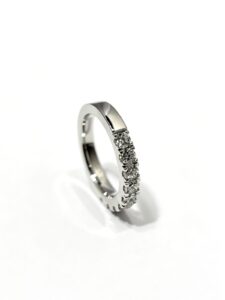
925 sterling silver jewellery, set with lab grown diamonds and made in our own Shenzhen workshop.
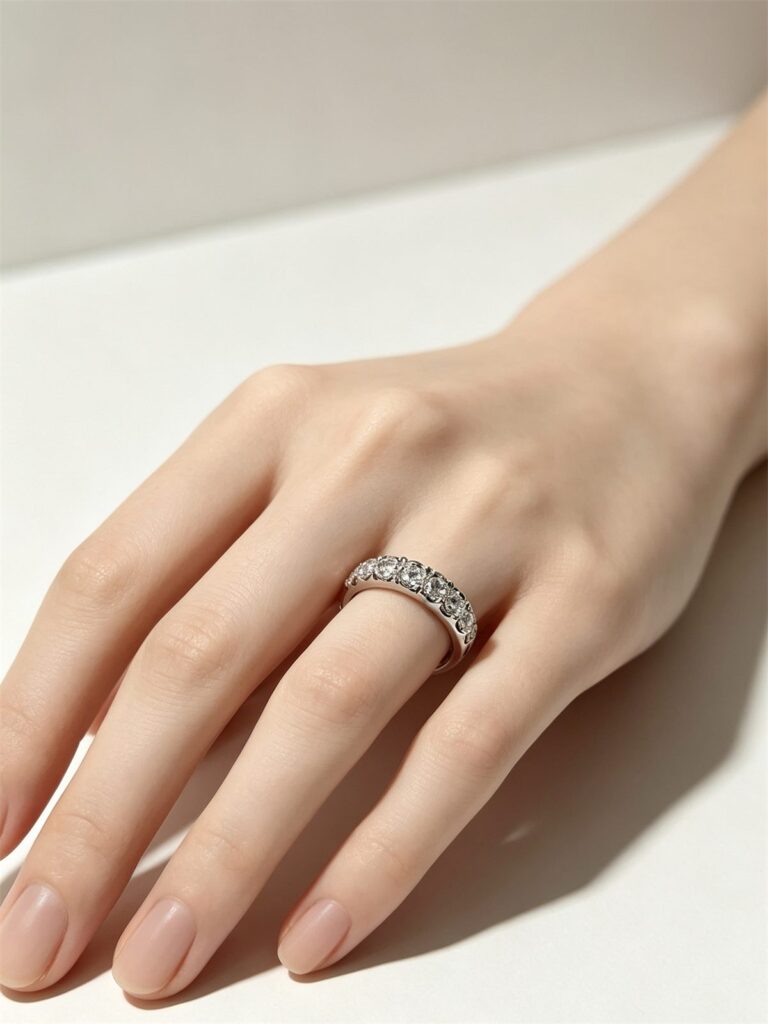
A jewelry mold is only one part of a repeatable design record. Reorders also depend on the approved CAD revision, master dimensions, stone schedule, metal, finish, findings, size range, sample photographs and packaging instructions.
Last updated:
Working checklist
| Control point | Decision or evidence |
|---|---|
| CAD revision | Defines current geometry and dimensions |
| Master or mold | Reproduces the approved form |
| Stone schedule | Controls size, count and setting layout |
| Finish standard | Controls polish, texture and plating |
| Approved sample | Visual and functional reference |
Distinguish the master, mold and production file
Different processes may use a printed or carved master, a rubber or silicone mold, digital CAD and casting files. Ask the workshop to name what is created, which item is reusable and how it is stored. Avoid using “the mold” as a catch-all term in the agreement.
Define ownership and use separately
Payment, physical storage and intellectual-property rights are related but not identical. State who owns each record, whether the supplier may use the design for another buyer, whether files can be transferred, and what happens after a period without orders.
Create a reorder pack
The pack should contain the SKU, final CAD revision, dimensions, weight target where relevant, metal and fineness, stones, findings, finish, hallmark, size mix and packaging. Add photographs of the approved sample and close every prior change request.
Review changes as a new revision
A different stone size, metal, wall section or finding may require a revised CAD or sample even when the overall design looks the same. Record the change rather than writing over the old file, so previous orders remain traceable.
Check storage before the next order
Before relying on an old tool, confirm that the mold, master and digital files still exist and remain usable. Ask the quotation to state which development items are reused and which must be remade.
Connect the decision to the full project
Keep this record with the jewelry design brief, the CAD and sample approval record and the production quality checklist. Send the controlled specification through the project contact page when a manufacturing review is needed.
Frequently Asked Questions
Who owns a custom jewelry mold?
Ownership depends on the written agreement. Paying a development charge does not by itself explain storage, transfer or permitted use.
Is a mold enough to reproduce a jewelry design?
No. The supplier also needs the correct CAD or dimensions, stone schedule, materials, finish, findings and approved sample record.
Should mold ownership appear on the purchase order?
The purchase order should refer to the governing development or tooling terms and identify the exact mold or design record used.
Can a mold be used for a different metal?
Sometimes, but metal behaviour and required sections may change. Ask the engineer to review the design and approve a new revision when needed.
Continue with the custom jewelry development and reorder guide to place this decision inside the complete development sequence.
Recommended
 How do I design packaging that protects chains and earrings in transit?Custom Jewelry
 How do I vet a jewelry factory before placing a first order?Custom Jewelry
 What should a shipping policy for jewelry say?Custom Jewelry
 How do I choose a brand name and check it is not already used for jewelry?Custom Jewelry
 Should I pay a factory deposit by bank transfer or use an order-protection service?Custom JewelryHow do I photograph jewelry honestly so customers get what they see?Custom Jewelry