Jewelry Storage That Prevents Tarnish and Scratches
925 sterling silver jewellery, set with lab grown diamonds and made in our own Shenzhen workshop.
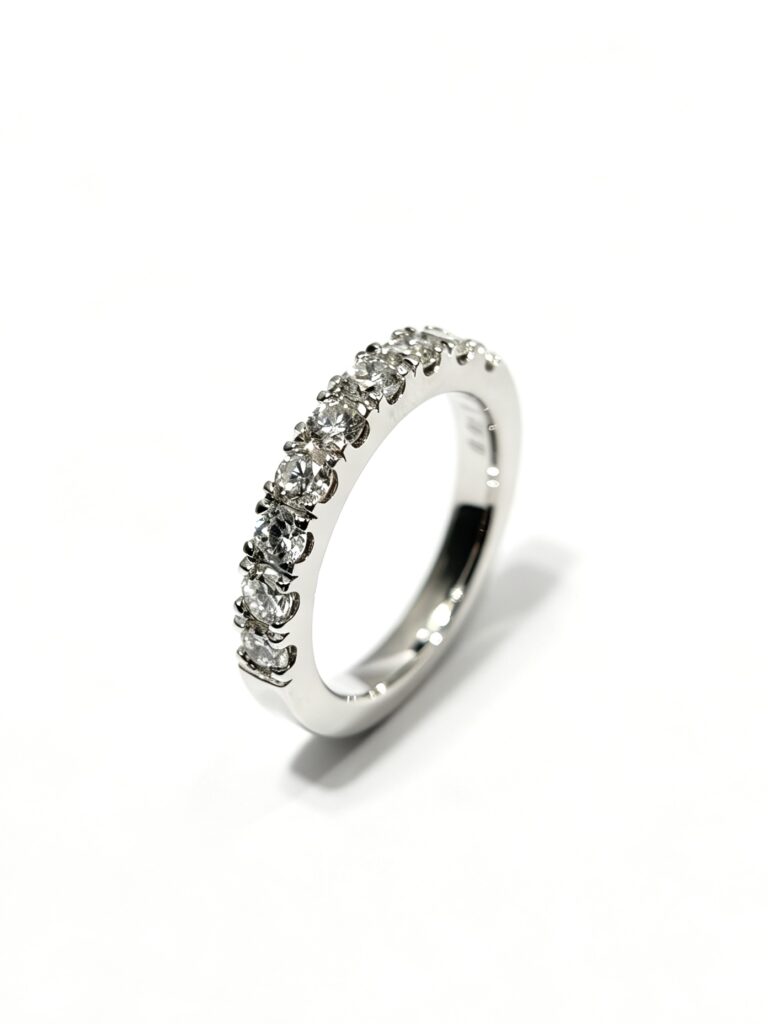
More jewellery is damaged in the drawer than on the hand. A necklace coiled into a shared box presses its prongs against neighbouring settings; a silver chain left on a bathroom shelf darkens within weeks; two rings stored loose scratch each other along the shanks. None of this is wear, and all of it accumulates between the moments the pieces are actually worn. Storage is the part of care that happens when nobody is paying attention, which is exactly why it repays a little design.
How does storage damage jewelry?
Three ways: humidity and sulphur, physical contact, and pressure on settings.
Humidity and airborne sulphur compounds cause silver to tarnish, and a humid environment accelerates it considerably. Physical contact between pieces scratches metal, and harder materials scratch softer ones — a diamond will mark silver, gold and platinum with no effort at all. Pressure from coiling or stacking bends prongs and deforms thin settings, which is the damage that eventually leads to a lost stone.
Understanding which of the three applies to a piece is what makes storage decisions easy, because each has a different fix.
The three problems and their fixes
Each has a specific, inexpensive solution.
| Problem | What causes it | Fix |
|---|---|---|
| Tarnish | Humidity and sulphur compounds in air | Dry storage, tarnish-inhibiting strip, sealed bags for occasional pieces |
| Scratches | Pieces touching one another | Individual compartments or pouches, softer pieces separated from harder |
| Bent prongs | Coiling necklaces, stacking rings | Store necklaces flat, rings on a rail or in slots |
| Stretched chains | Hanging a heavy piece from a hook | Store the piece flat or support the weight |
| Plating wear | Friction between plated pieces | Separate plated pieces; avoid abrasive liners |
Silver specifically
The metal that reacts most to its environment, and the one where storage pays back fastest.
Sterling silver darkens through a reaction with sulphur compounds, and both humidity and airborne sulphur speed it up. A dry drawer with a tarnish-inhibiting strip slows the reaction noticeably, and a sealed bag is effective for a piece worn occasionally. What works against you is leaving a silver piece out on a tray overnight, which exposes it to air continuously, or storing it in a bathroom, where humidity is highest.
Rubber bands and latex release sulphur and should never be stored in contact with silver. The chemistry behind the reaction is covered in our explanation of whether 925 silver tarnishes, and the cleaning routine in the guide to cleaning silver at home.
What belongs in a jewelry box, and what does not
Four items worth adding, four worth removing.
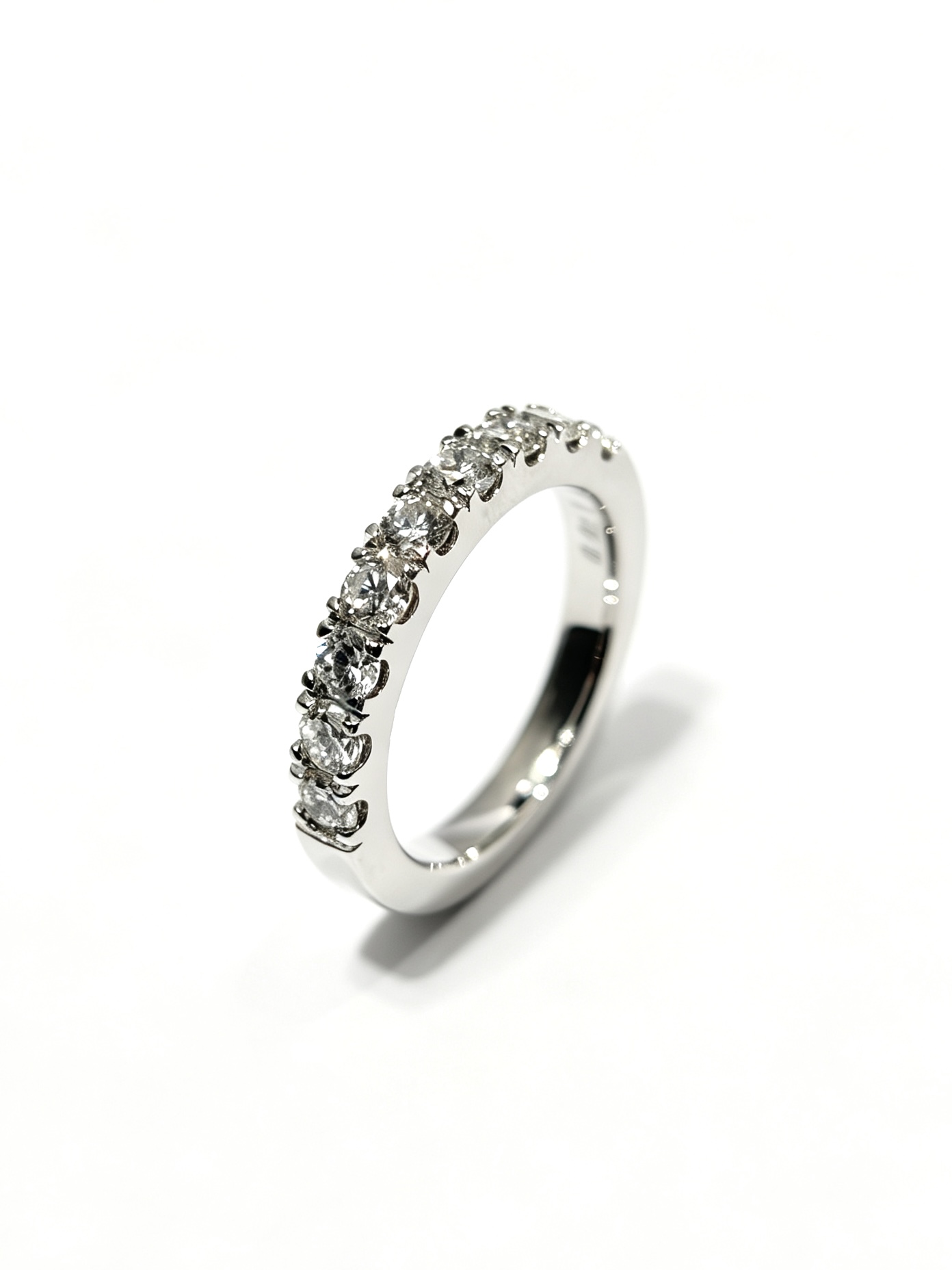
Worth adding: individual pouches, a tarnish-inhibiting strip for silver, a ring rail or slotted tray so rings stand rather than stack, and a flat drawer or tray for necklaces. Worth removing: loose rubber bands and latex, abrasive liners that rub plated surfaces, humidifiers placed nearby, and any arrangement that requires coiling a necklace.
For a growing collection, a shallow drawer with compartments beats a deep box. Deep boxes encourage stacking, which is what damages settings.
Storing by piece
The physical shape of a piece determines how it should be kept.
Necklaces and bracelets should be stored flat or hung with the weight supported, never coiled tightly. Rings should stand in slots or on a rail so they do not touch one another or rest on their settings. Earrings should be kept in pairs within their own compartment, with the backs on the posts so they do not separate and scratch. Pendants should be stored with the chain unclipped and laid flat, so the chain does not press across the face of the piece.
Where space is limited, pouches are the practical answer: each piece in its own soft bag, then the bags loosely together.
Travel storage
The situation where most accidental damage happens.
A travel case should hold each piece separately, with the harder pieces — those with diamonds — isolated from softer ones. Rolling a chain around a finger to fit it into a small case is how chains kink and prongs bend; a short length of drinking straw or a small flat pouch solves it. For silver, a tarnish-inhibiting strip in the case is worth the space, since a piece left in a humid hotel room for a week will darken.
Carrying jewellery in a handbag without a pouch is the single most common cause of scratches between pieces.
Habit changes that remove most storage damage
Four, and none takes more than a few seconds.
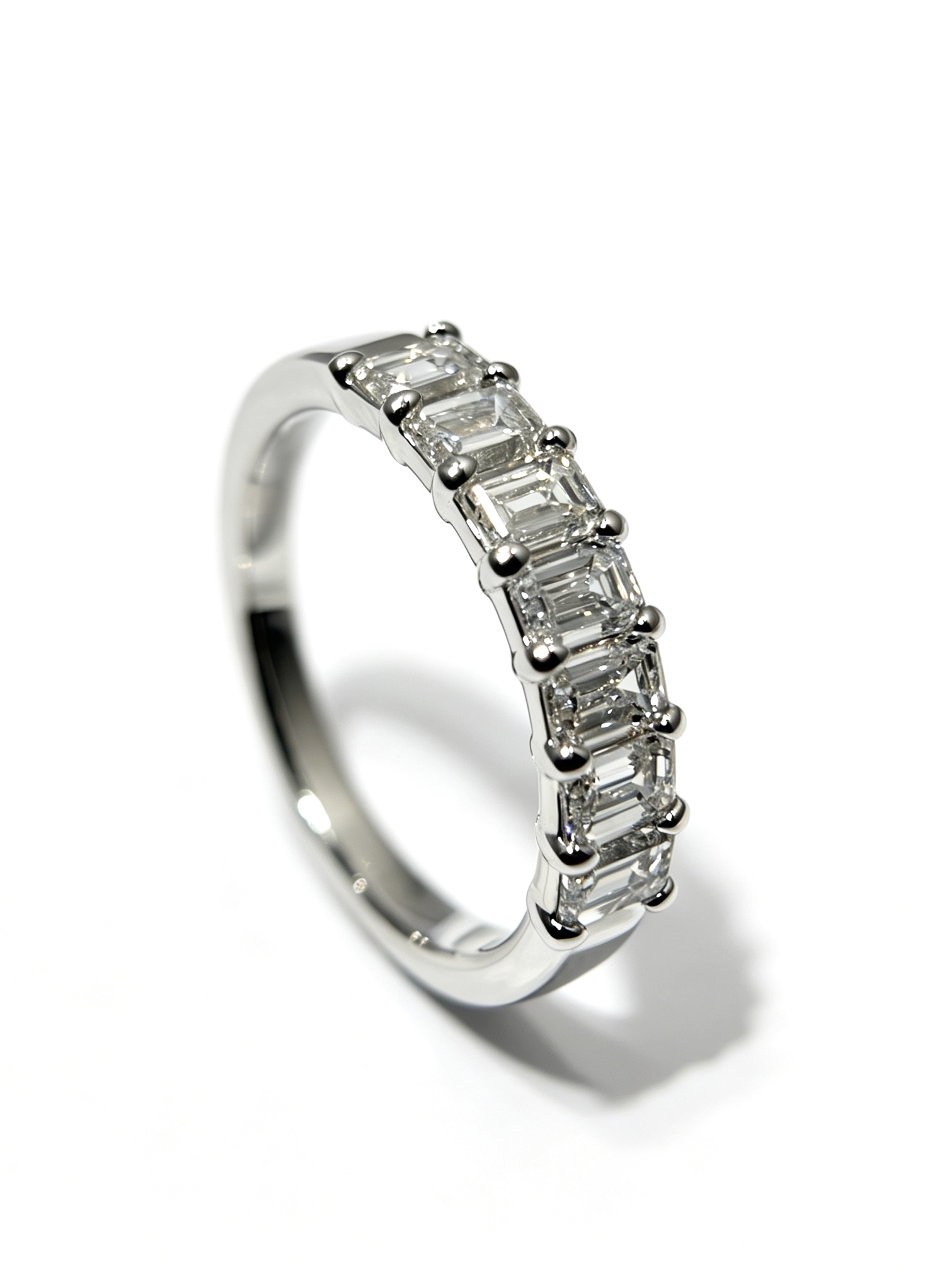
Take pieces off and put them in their compartment rather than on a bedside table. Wipe a piece with a dry cloth before it goes back, removing the film that holds moisture against the surface. Keep the jewellery drawer away from bathrooms and kitchens, which are the humid rooms in most homes. And look at the arrangement once a year, because a collection that has outgrown its box has usually started stacking itself.
None of the four costs anything, and together they prevent the majority of the damage that arrives at a workshop bench.
FAQ
How should I store silver jewelry to prevent tarnish?
Dry, dark and separated. A drawer away from bathrooms and kitchens, individual compartments or pouches, and a tarnish-inhibiting strip in the same space. Sealed bags work for pieces worn occasionally. Avoid rubber bands and latex, which release sulphur and accelerate tarnishing.
What is the best jewelry box for silver?
A shallow, compartmented drawer rather than a deep box, because compartments prevent pieces touching and a shallow drawer discourages stacking. Look for a lining that does not abrade plated surfaces and a tarnish-inhibiting strip. The material matters less than dryness and separation.
Can jewelry be stored together?
Not safely in direct contact. Diamond will scratch silver, gold and platinum effortlessly, and two gold pieces will mark each other. Pieces can share a box if each has its own compartment or pouch, with harder pieces isolated from softer ones.
Why does my jewelry get damaged when I am not wearing it?
Because storage involves humidity, contact and pressure. Silver tarnishes faster in humid air, pieces scratch when they touch, and necklaces coiled into a shared box press their prongs against neighbouring settings. Each has a simple fix, and together they remove most of the damage a workshop sees.
Sources and further reading
- The Silver Institute — tarnish chemistry and prevention
- ASTM B700 — electrodeposited silver coating specification
- Assay Office — precious metal care guidance
- GIA — treatments relevant to how stones are stored
- CIBJO Blue Books — precious metal nomenclature
- International Gem Society — jewellery care reference
Next step: If a piece has bent prongs, a stretched chain or plating that has worn through from storage contact, send us a photograph and the specification and we will tell you whether it needs straightening, re-plating or a rebuild. Repairs, ready-stock pieces and OEM programmes are all handled. Contact vinico@zkzdiamonds.com or WhatsApp +86 135 3037 8229.
{“@context”:”https://schema.org”,”@type”:”FAQPage”,”mainEntity”:[{“@type”:”Question”,”name”:”How should I store silver jewelry to prevent tarnish?”,”acceptedAnswer”:{“@type”:”Answer”,”text”:”Dry, dark and separated. A drawer away from bathrooms and kitchens, individual compartments or pouches, and a tarnish-inhibiting strip in the same space. Sealed bags work for pieces worn occasionally. Avoid rubber bands and latex, which release sulphur and accelerate tarnishing.”}},{“@type”:”Question”,”name”:”What is the best jewelry box for silver?”,”acceptedAnswer”:{“@type”:”Answer”,”text”:”A shallow, compartmented drawer rather than a deep box, because compartments prevent pieces touching and a shallow drawer discourages stacking. Look for a lining that does not abrade plated surfaces and a tarnish-inhibiting strip. The material matters less than dryness and separation.”}},{“@type”:”Question”,”name”:”Can jewelry be stored together?”,”acceptedAnswer”:{“@type”:”Answer”,”text”:”Not safely in direct contact. Diamond will scratch silver, gold and platinum effortlessly, and two gold pieces will mark each other. Pieces can share a box if each has its own compartment or pouch, with harder pieces isolated from softer ones.”}},{“@type”:”Question”,”name”:”Why does my jewelry get damaged when I am not wearing it?”,”acceptedAnswer”:{“@type”:”Answer”,”text”:”Because storage involves humidity, contact and pressure. Silver tarnishes faster in humid air, pieces scratch when they touch, and necklaces coiled into a shared box press their prongs against neighbouring settings. Each has a simple fix, and together they remove most of the damage a workshop sees.”}}]}
Part of our 925 sterling silver jewelry guide.
Recommended
 Does a matte, brushed or satin finish on silver wear differently from polish?Care & Cleaning
 How are solder joints on silver jewelry repaired without damaging stones?Care & CleaningWhat is a good gift for a self-purchase to celebrate a milestone?Jewelry Guides & Sizing
 Jewelry Care Myths: What Actually Damages Silver and DiamondsCare & Cleaning
 Is Lab Grown Diamond Jewelry a Good Investment?Buying Guides
 How do I repair a broken bracelet clasp or replace it with a better one?Care & Cleaning