Which jewelry materials are truly waterproof?
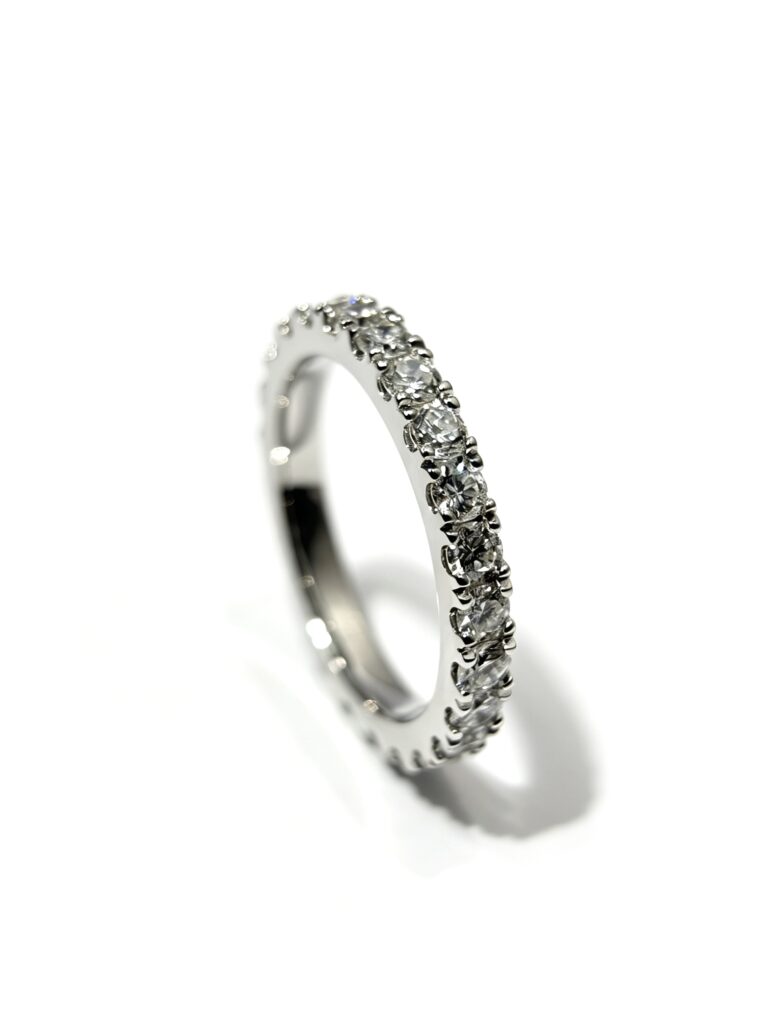
925 sterling silver jewellery, set with lab grown diamonds and made in our own Shenzhen workshop.
Talk · Care, Cleaning & Storage
Someone wants jewelry they can wear in the shower and on holiday. They ask which materials are truly waterproof and whether silver or plated pieces are safe in water.
 ZKZ Editorial TeamMain answer · Product & gemmology desk
"Waterproof" is not a precise jewelry term. Water itself rarely harms solid metals, but soap, chlorine, salt and sweat can, and plated layers and some stones are more sensitive.
Solid metals
Our advice Solid gold and platinum are generally tolerant of water. Sterling silver will not dissolve in water but tarnishes faster with moisture and chemicals, and chlorine can damage it. Stainless steel and titanium are also commonly used for water-friendly jewelry.
It depends Whether a piece is fine in the shower depends on the metal, the finish, any glue or coating and what is in the water. Chlorine and hot-tub chemicals are harder on metals than plain water.
Plated and coated pieces
Our advice A thin plated layer can wear faster when it is wet and rubbed. Lacquer or coatings can soften or lift with soaking.
Stones and settings
Our advice Hard stones such as diamond do not mind water, but soft or porous materials may. Settings that use glue, and stones such as pearls, need extra care. Water can also get under a loose stone and hide a problem.
Our advice We take jewelry off before pools and hot tubs, and rinse and dry it after any wetting.
Habits that help more than materials
- Take jewelry off for swimming, hot tubs and cleaning
- Rinse after sea water and dry thoroughly
- Remove it before applying lotion or sunscreen
- Never leave wet jewelry in a closed pouch
If you want a worry-free piece
- Choose a solid metal rather than a plated one.
- Avoid glued stones and soft materials for water use.
- Ask the maker what the piece is tested for, and ask them to put it in writing.
A short guide by situation
- Shower: solid metals are usually fine, but soap film dulls them, so rinse and dry.
- Sea and pool: remove silver and plated pieces; salt and chlorine are the problem.
- Gym: sweat is acidic enough to speed tarnish; take silver off or wipe it afterwards.
- Travel: carry the piece you want to keep safe rather than swimming in it.
Uncertain We cannot say a given piece is waterproof. Without a stated test by the maker, treat the word as a marketing claim and care for the piece accordingly.
Related reading: What should I do if my jewelry arrives damaged or not as described? · How to Request a Jewelry Prototype
Sources
Fact = stated by the cited source. Our advice = editorial recommendation. Uncertain / it depends = limits of what can be said in general.
Other perspectives from the ZKZ team
Dry it after every wetting. Moisture trapped in a pouch is what turns a harmless splash into tarnish and spots.
Choose solid metal and secure settings if water exposure matters. "Water resistant" on a plated fashion item usually refers to the cheap finish, not the whole piece.
Chlorine can attack metal at solder joints and weaken them. A quick rinse and early removal protect the construction as well as the finish.
Have a different question? Ask our team, or browse more answers in Talk.
Related products

Related articles & topics
- What should be printed on jewelry packaging and care cards?Talk
- What is the right way to dry jewelry after cleaning?Talk
- What is permanent jewelry, and is a sterling silver chain suitable for it?Talk
- What size and weight data should every jewelry listing include?Talk
- How long should a jewelry repair take, and what causes delays?Talk
- 2026 Lab-Grown Diamond Industry Outlook: Prices, Supply and Jewelry DemandGuide
- Silver Tennis Bracelets: Fit, Safety Clasps and CareGuide
- What Does 925 Mean on Silver Jewelry?Guide
- What Is the Best Metal for Jewelry? Silver, Gold, Platinum ComparedGuide
- OEM vs ODM Jewelry ManufacturingGuide
Recommended
 What is the difference between GIA, IGI and in-house reports for lab-grown diamonds?Talk
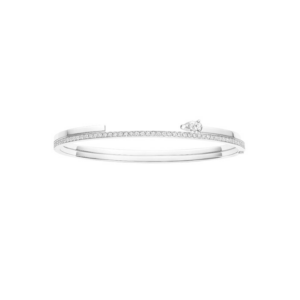 What bracelet size should I order if I have a small, medium or large wrist?Talk
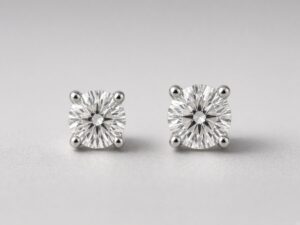 What are flat-back studs, and who needs them for cartilage or sleeping?TalkWhat jewelry suits an engagement-party or bridal-shower gift?Talk
 Can nickel-free silver jewelry still cause a reaction?Talk
 What are the black spots on my silver jewelry, and are they damage or tarnish?Talk