Jewelry Plating Specification for Custom Orders
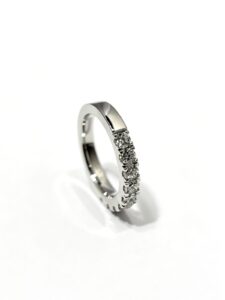
925 sterling silver jewellery, set with lab grown diamonds and made in our own Shenzhen workshop.
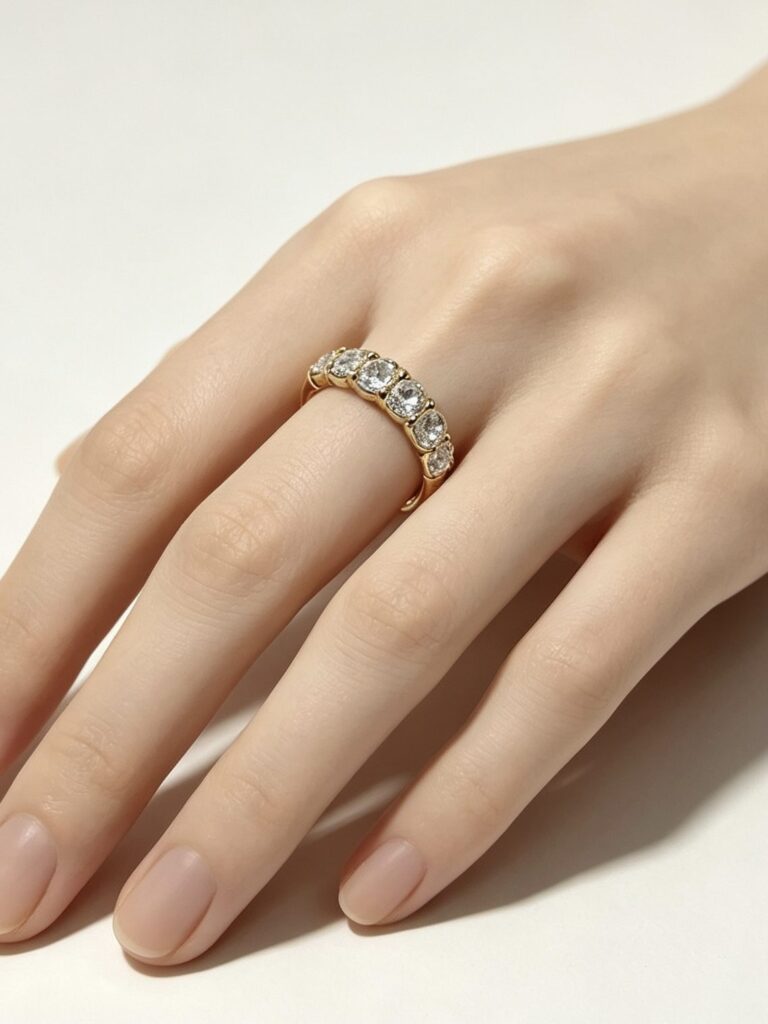
“Gold plated” or “rhodium plated” is not a complete jewelry plating specification. A production instruction must identify the base metal, surface preparation, plating system, colour target, coverage, inspection method and the approved physical reference.
Last updated:
Working checklist
| Control point | Decision or evidence |
|---|---|
| Base metal | Changes preparation and colour under wear |
| Surface preparation | Controls smoothness and adhesion |
| Colour reference | Aligns the visual target |
| Coverage areas | Prevents missed recesses and contact surfaces |
| Inspection method | Defines how the batch is accepted |
Begin with the base metal and construction
Silver, gold and other alloys need different preparation and may show different tones as a coating wears. Identify solder joints, moving parts, stone-set areas and skin-contact surfaces. The plating instruction should match the exact approved piece rather than a generic colour name.
Describe appearance with a physical reference
Use an approved sample or controlled swatch under agreed lighting. Screens and rendered images shift colour. Record whether the target is bright, satin, brushed or textured, and identify intentional unplated areas.
Specify coverage and functional limits
Recesses, chain links, clasp interiors and areas beneath settings are easy to overlook. Mark which surfaces require full coverage and which moving contacts must remain functional. A thicker-sounding instruction is not useful without a process and acceptance method the supplier can verify.
Inspect before and after plating
Polishing defects are harder to correct after coating. Inspect edges, porosity, solder joins and stone seats before plating, then review colour consistency, missed areas, marks and finding operation afterward. Keep the approved sample with the batch record.
Set realistic care and wear language
Plating is a surface finish and changes with friction, chemicals and storage. Marketing and care instructions should match the approved construction and expected use. Do not promise a universal wear period when the actual contact pattern and care conditions vary.
Connect the decision to the full project
Keep this record with the jewelry design brief, the CAD and sample approval record and the production quality checklist. Send the controlled specification through the project contact page when a manufacturing review is needed.
Frequently Asked Questions
What belongs in a jewelry plating specification?
Include base metal, preparation, plating system, colour reference, finish, coverage areas, inspection method and the approved sample.
Can a render approve plating colour?
A render can communicate direction but not the final colour, surface texture, coverage or wear. Approve a physical sample.
Should stones be set before or after plating?
The correct sequence depends on the construction and stones. The production route should be agreed with the workshop and recorded in the specification.
How should plated jewelry be inspected?
Check colour consistency, coverage, surface defects, recessed areas, contact points and the operation of clasps or hinges against the approved sample.
Continue with the custom jewelry finish and production guide to place this decision inside the complete development sequence.
Recommended
 How do I design packaging that protects chains and earrings in transit?Custom Jewelry
 How do I vet a jewelry factory before placing a first order?Custom Jewelry
 What should a shipping policy for jewelry say?Custom Jewelry
 How do I choose a brand name and check it is not already used for jewelry?Custom Jewelry
 Should I pay a factory deposit by bank transfer or use an order-protection service?Custom JewelryHow do I photograph jewelry honestly so customers get what they see?Custom Jewelry