Jewelry Production Tolerances Explained
925 sterling silver jewellery, set with lab grown diamonds and made in our own Shenzhen workshop.
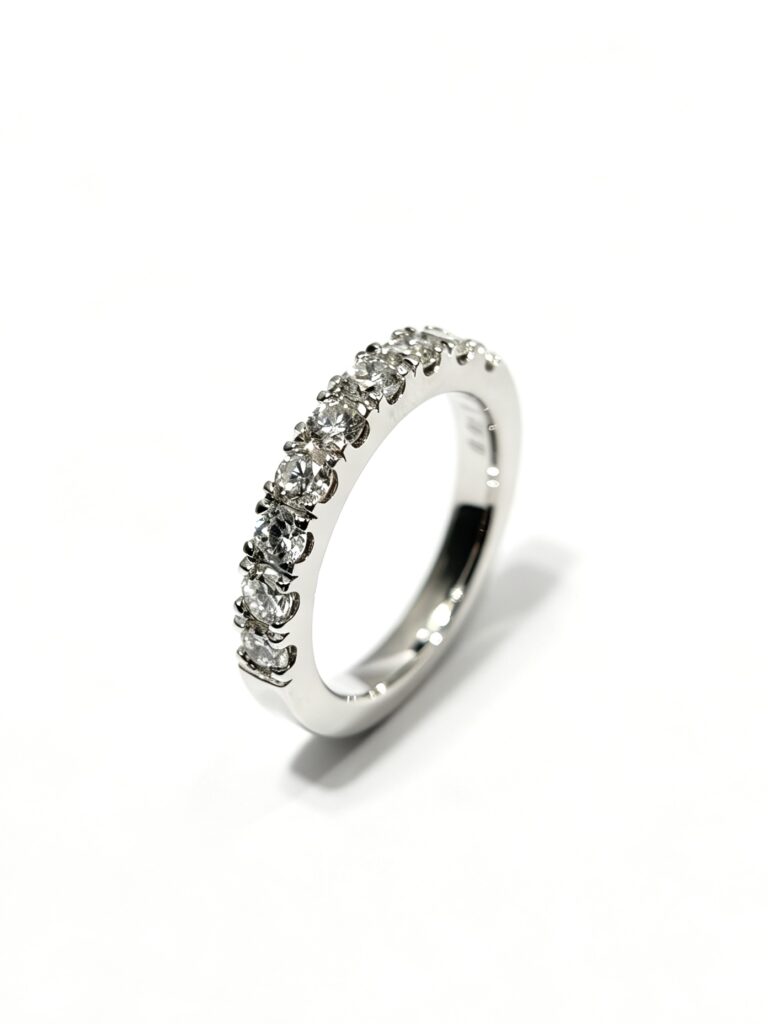
A jewelry production tolerance is the permitted variation from an approved dimension or characteristic. It should be applied only where variation affects fit, assembly, setting security, appearance or compatibility—not copied as one universal number across the piece.
Last updated:
Working checklist
| Control point | Decision or evidence |
|---|---|
| Fit | Ring size, chain length and component mating |
| Setting | Seats, prongs, channels and stone clearances |
| Function | Post, clasp, hinge and bail dimensions |
| Appearance | Symmetry, alignment and finish reference |
| Record | Method, sample size and acceptance decision |
Control the dimensions that matter
Start with features that change wear, assembly or stone security. A decorative radius may tolerate more variation than a post diameter or calibrated stone seat. Mark critical dimensions so inspectors know where precision has commercial value.
Match the limit to the process
Casting, forming, setting, polishing and plating can each change dimensions. The engineer should review where the measurement is taken and at which production stage. A limit that ignores finishing may be impossible to inspect consistently.
Agree the measurement method
Specify the instrument, datum or reference points where needed. Flexible chains, curved surfaces and soft materials can give different results under different handling. The same method should be used for sample approval and production inspection.
Use visual standards for visual characteristics
Polish, texture, colour and some alignment decisions need an approved sample and controlled viewing conditions. Translate measurable parts into dimensions, but do not pretend every appearance judgment is solved by a number.
Record deviations and dispositions
When a batch falls outside a limit, record quantity, location and proposed action. Rework, use-as-is approval or rejection should be traceable to the responsible approver rather than settled through an undocumented message.
Connect the decision to the full project
Keep this record with the jewelry design brief, the CAD and sample approval record and the production quality checklist. Send the controlled specification through the project contact page when a manufacturing review is needed.
Frequently Asked Questions
Why do jewelry specifications need tolerances?
Production processes create normal variation. Tolerances define which variation is acceptable without harming fit, function, security or appearance.
Should every jewelry dimension have the same tolerance?
No. Limits should reflect the feature’s function, material, process and inspection method.
Can the approved sample replace dimensional tolerances?
It supports visual and functional approval, but critical fit and assembly dimensions still need measurable requirements.
Who approves an out-of-tolerance jewelry batch?
The party named in the quality agreement should review the evidence and issue a documented rework, acceptance or rejection decision.
Continue with the custom jewelry engineering and approval guide to place this decision inside the complete development sequence.
Recommended
 How do I design packaging that protects chains and earrings in transit?Custom Jewelry
 How do I vet a jewelry factory before placing a first order?Custom Jewelry
 What should a shipping policy for jewelry say?Custom Jewelry
 How do I choose a brand name and check it is not already used for jewelry?Custom Jewelry
 Should I pay a factory deposit by bank transfer or use an order-protection service?Custom JewelryHow do I photograph jewelry honestly so customers get what they see?Custom Jewelry