What does “nickel-free” mean on jewelry, and which rules apply?
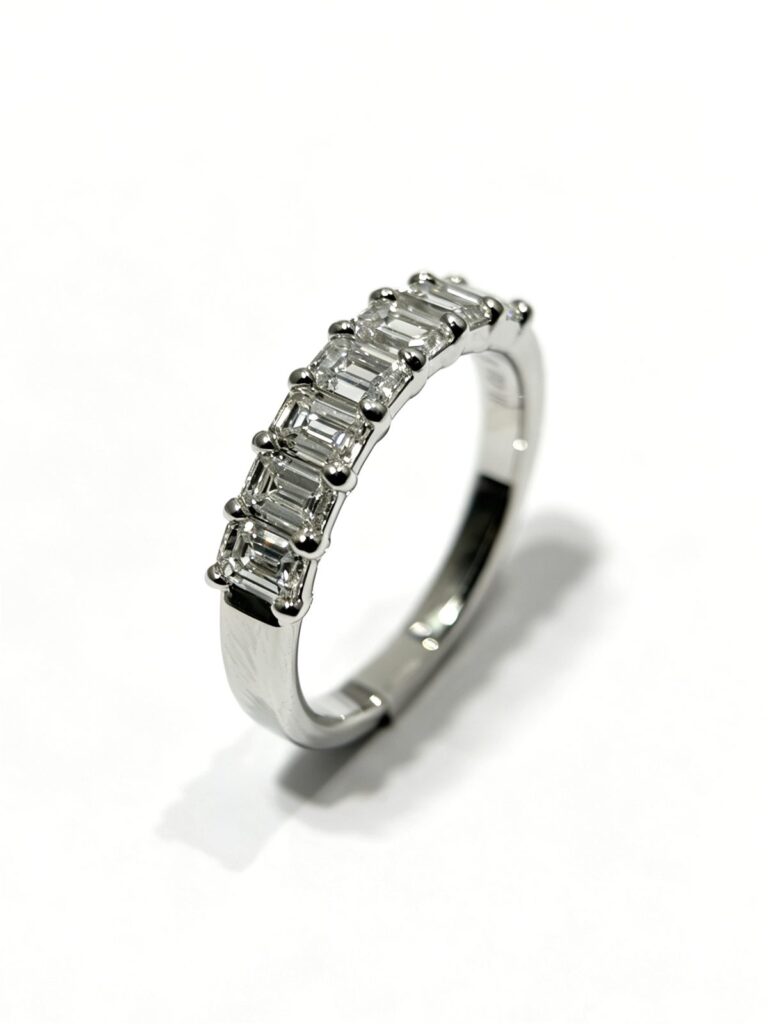
925 sterling silver jewellery, set with lab grown diamonds and made in our own Shenzhen workshop.
Talk · Compliance & disclosure
A buyer with a metal allergy sees "nickel-free" on a sterling silver jewelry listing. They want to know what it means, whether sterling silver is automatically nickel-free, and what rules or tests stand behind the claim.
 ZKZ Editorial TeamMain answer · Product & gemmology desk
"Nickel-free" is a marketing phrase, not a single legal standard everywhere. In the EU, the REACH regulation limits how much nickel can be released from jewelry that touches the skin, and a seller can show compliance with a test. Elsewhere, requirements differ. Sterling silver is mostly silver and copper, but it can contain small amounts of other metals, so ask for evidence, and if you have a diagnosed allergy, ask your doctor.
What the EU rules say
Fact Entry 27 of Annex XVII to the EU REACH regulation restricts nickel in articles that come into direct and prolonged contact with the skin, including jewelry, so that they must not release more than 0.5 microgrammes of nickel per square centimetre per week. For posts inserted into pierced ears and other body parts during healing, the limit is lower, at 0.2 microgrammes per square centimetre per week, unless the post is nickel-free in the sense of the regulation.
Uncertain These limits are release limits, not a ban on any nickel in the alloy. Different countries have different rules, and we have not found one US federal rule that defines "nickel-free" for jewelry, so treat the term as a claim to be checked.
What sterling silver contains
Fact The FTC Guides say "sterling silver" must be at least 925/1,000 pure silver (16 CFR 23.5). They do not say what the remaining 7.5% must be.
Our advice The remainder is usually copper, but the maker chooses the alloy. Some alloys, solders or platings can include nickel. So "925" does not tell you whether there is nickel in the piece.
What a good claim looks like
- A statement of what the piece is made of: base metal, alloy and plating.
- A reference to a test, such as a nickel release test to the relevant European standard, or a supplier's declaration of conformity.
- A clear statement of the market the claim applies to.
- Contact details for questions.
What to do if you are allergic
Our advice Ask the seller for the alloy details and test evidence before you buy, and look for pieces with a plain, documented alloy. If a piece causes redness, itching or a rash, take it off.
It depends Because individual reactions vary, a claim that something is "hypoallergenic" or "nickel-free" cannot promise you will have no reaction. A doctor or dermatologist can tell you more about your own allergy.
For sellers
Our advice Do not use "nickel-free" unless you can support it with an alloy specification and test results for each material and coating on the piece, including clasps and posts.
Related reading: Is 925 Silver Hypoallergenic? Nickel, Plating and Sensitive Skin · Silver Earrings for Sensitive Ears: Studs, Hoops and Hypoallergenic Options
Sources
- ECHA, REACH restriction on nickel in articles intended to come into direct and prolonged contact with the skin (entry 27)
- 16 CFR 23.5, FTC Jewelry Guides: misrepresentation as to silver content
Fact = stated by the cited source. Our advice = editorial recommendation. Uncertain / it depends = limits of what can be said in general.
Other perspectives from the ZKZ team
For sellers into the EU, nickel release limits apply to the finished item, including solder, plating, posts and clasps. A supplier declaration for the raw alloy alone is not enough.
If you are sensitive to metals, choose simple designs with few components and ask for the alloy details of the post, clasp and plating, not only the main body.
A coating can wear and expose what is underneath. If a plated piece starts to irritate you after a while, that may be a sign that the plating has worn through.
Have a different question? Ask our team, or browse more answers in Talk.
Related products
Related articles & topics
- What does "total carat weight" mean on a jewelry listing?Talk
- What should a lab-grown diamond disclosure look like on a product page?Talk
- What should I do if my jewelry arrives damaged or not as described?Talk
- How do I price lab-diamond silver jewelry for retail from a factory quote?Talk
- What does a jewelry warranty usually cover, and what does it exclude?Talk
- Rhodium Plating on Silver Jewelry: What It Does and How Long It LastsGuide
- How to Find Your Ring Size at Home (Free Printable Method)Guide
- Jewelry Plating Specification for Custom OrdersGuide
- How to Buy Jewelry Online Safely: Quality Checks Before You PayGuide
- How Much Should You Spend on Jewelry? Budget Guide by PieceGuide
Recommended
 What is the difference between GIA, IGI and in-house reports for lab-grown diamonds?Talk
 What bracelet size should I order if I have a small, medium or large wrist?Talk
 What are flat-back studs, and who needs them for cartilage or sleeping?TalkWhat jewelry suits an engagement-party or bridal-shower gift?Talk
 Can nickel-free silver jewelry still cause a reaction?Talk
 What are the black spots on my silver jewelry, and are they damage or tarnish?Talk