What does a jewelry warranty usually cover, and what does it exclude?
925 sterling silver jewellery, set with lab grown diamonds and made in our own Shenzhen workshop.
Talk · Buying & value
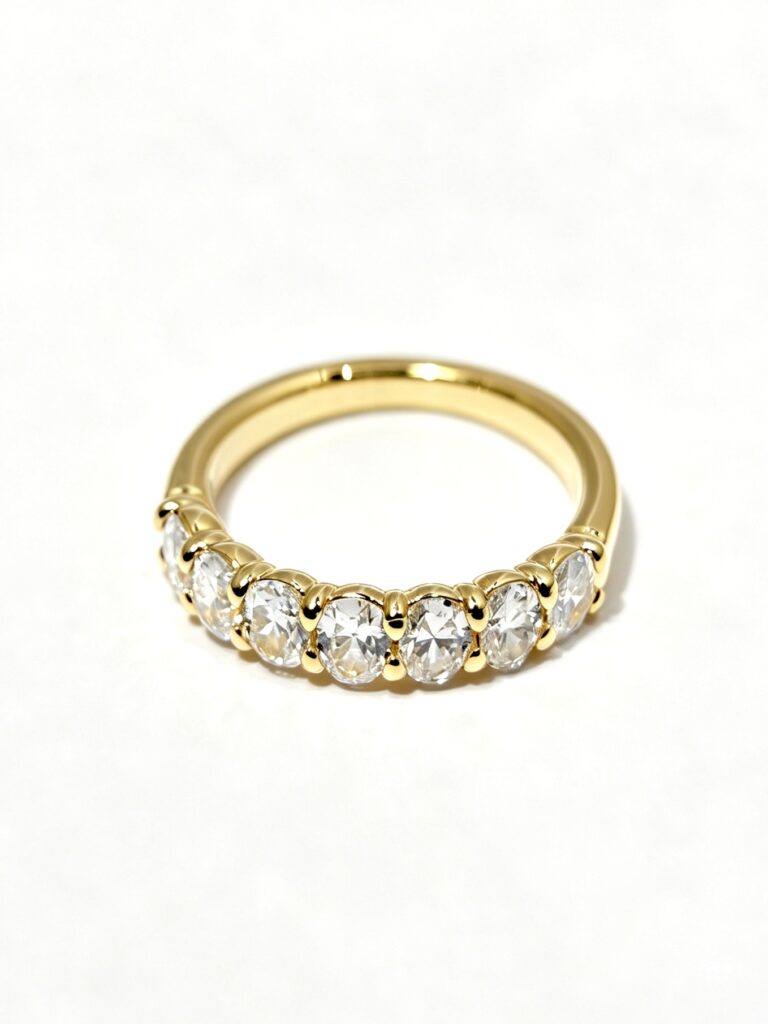
A buyer sees "1-year warranty" on a silver diamond ring listing and is not sure what it protects against. They want to know whether it covers a lost stone, a bent band or fading plating, and what to check before relying on it.
 ZKZ Editorial TeamMain answer · Product & gemmology desk
A jewelry warranty usually covers defects in materials or workmanship for a set period. It usually does not cover loss, theft, accidental damage or normal wear, and plating and prongs are often treated as wear items. Read the written terms before you buy, because the headline "1-year warranty" says very little by itself.
What the rules require
Fact Under the FTC's rule on pre-sale availability of written warranty terms, the seller of a consumer product that costs more than $15 and has a written warranty must make the warranty text readily available for the buyer to read before buying (16 CFR 702.3). Online sellers can do this by displaying it near the product or providing it on request before sale.
Uncertain That rule is about making the terms available, not about what a warranty must cover. What is covered, for how long and in which country is set by the warranty itself and by local consumer law.
What a warranty usually covers
- Faulty casting, soldering or finishing.
- Stones that fall out because of a setting fault, if reported within the period.
- A clasp or mechanism that fails in normal use.
What is usually excluded
Our advice These are common exclusions, but you must read the actual wording:
- Loss, theft and accidental damage.
- Normal wear, such as scratches, tarnish and plating wear.
- Damage from chemicals, chlorine, heat or sports.
- Repairs by someone other than the seller or an approved jeweller.
- Resizing, engraving and custom pieces.
- Damage from not following care instructions.
Questions to ask
- How long does it last, and when does it start: purchase or delivery?
- What exactly is covered, and what is excluded?
- Do I need to send the ring at my cost, and who pays the return shipping?
- Is a check-up needed to keep the warranty valid?
- Is the warranty transferable?
- How do I make a claim, and how long does a repair take?
- Does it cover plating, and for how long?
What a warranty is not
Our advice A warranty is not insurance. If you want protection against loss, theft or accidental damage, you need a jewelry insurance policy or a home policy that covers it, and each has its own conditions.
It depends Whether a warranty is good depends on the terms and on how the seller behaves when you make a claim. Ask how many claims the seller handles, and what they typically do.
Related reading: Return Policy — 925 Silver Jewelry Orders · Caring for 925 Sterling Silver Jewelry with Lab Grown Diamond Settings
Sources
- 16 CFR 702.3, FTC rule on pre-sale availability of written warranty terms
- Jewelers Mutual, What to do if you need a ring repair
Fact = stated by the cited source. Our advice = editorial recommendation. Uncertain / it depends = limits of what can be said in general.
Other perspectives from the ZKZ team
Ask for the warranty text as a PDF and save it with your order. If it is only a sentence on the product page, treat it as a promise to be clarified.
A written warranty should be available before you buy, not after. If you cannot find the terms online, ask the seller to send them before you pay.
Keep your care records and receipts. Many warranty claims depend on showing that the ring was bought from the seller and was cared for as the instructions say.
Have a different question? Ask our team, or browse more answers in Talk.
Related products
Related articles & topics
- How do I plan a seasonal collection calendar with a jewelry manufacturer?Talk
- How do I price lab-diamond silver jewelry for retail from a factory quote?Talk
- Can I clean silver jewelry with toothpaste or baking soda?Talk
- Is sterling silver jewelry OK in hot, humid weather?Talk
- Is a piece with many small diamonds better value than one larger stone?Talk
- How to Buy Jewelry Online Safely: Quality Checks Before You PayGuide
- Jewelry Quality Control Checklist for Production OrdersGuide
- Jewelry Hallmarks and Stamps ExplainedGuide
- Caring for 925 Sterling Silver Jewelry with Lab Grown Diamond SettingsGuide
- How to Choose 925 Sterling Silver Jewelry for a Lab Grown Diamond LineGuide
Recommended
 What is the difference between GIA, IGI and in-house reports for lab-grown diamonds?Talk
 What bracelet size should I order if I have a small, medium or large wrist?Talk
 What are flat-back studs, and who needs them for cartilage or sleeping?TalkWhat jewelry suits an engagement-party or bridal-shower gift?Talk
 Can nickel-free silver jewelry still cause a reaction?Talk
 What are the black spots on my silver jewelry, and are they damage or tarnish?Talk