How thin can prongs, bezels and shanks be in 925 silver?
925 sterling silver jewellery, set with lab grown diamonds and made in our own Shenzhen workshop.
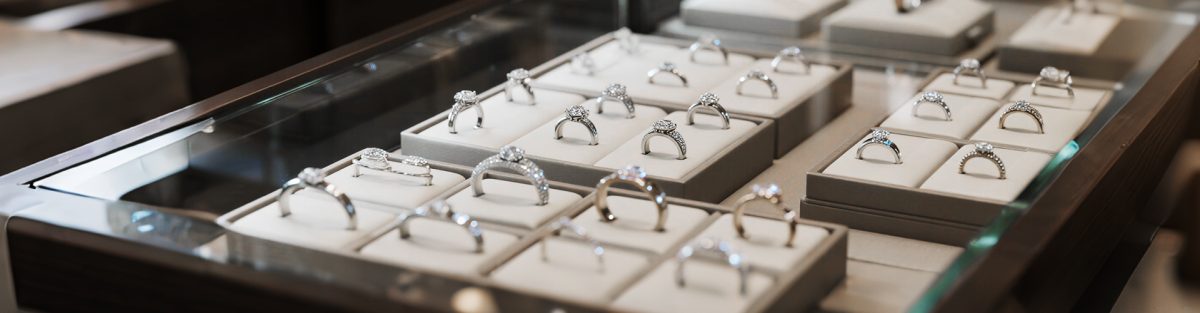
Talk · Design, Branding & Packaging (B2B)
A designer wants delicate-looking prongs, bezels and shanks in 925 silver and asks what the minimum thickness is that will still last.
 ZKZ Editorial TeamMain answer · Product & gemmology desk
There is no single figure that applies to all designs. The safe thickness depends on the shape, the stone, how the piece is used and how it is made. Ask your factory for its minimums, then test a sample under realistic wear.
What affects thickness
Our advice Silver is softer than some other jewelry metals, so very thin parts can bend or wear. Prongs, bezels and shanks are exactly the parts that take stress.
- Prongs: hold the stone and need enough metal to grip it
- Bezels: thin rims can be pushed or nicked
- Shanks: thin shanks can flex, distort and wear through
Design choices that help
- Make the shank thicker at the bottom, where it wears most.
- Use enough prongs for the stone size.
- Add a little extra metal at stress points.
- Round the edges rather than leaving sharp ridges.
Fact Jewelers Mutual say that worn prongs are a common reason a stone can become loose.
Our advice This is why checking prongs regularly matters.
It depends A delicate look is a design choice with a durability cost. Choose it knowingly, and tell customers how to care for the piece.
Test it
Our advice Wear a sample for several weeks or ask a factory or lab to run a durability test. Compare against a slightly thicker version.
Agree a minimum
- Write minimum thicknesses into the specification
- Check samples against them
What to tell the customer
Our advice Be honest on the product page about delicate designs. Mention that a slender setting looks refined but needs gentle wear and a periodic check. Customers who understand this are less likely to be disappointed, and they are more likely to return for servicing, which is better for both their jewelry and your reputation.
Our advice Ask the factory for the actual thicknesses it uses and compare them with a sample you have handled. Thin parts look elegant but need more careful wear, so match the design to how the customer will use it.
Uncertain We cannot give a safe minimum thickness. It depends on the design and must be tested.
Related reading: What is Argentium or tarnish-resistant silver, and how does it compare with 925? · 925 Sterling Silver vs Sterling Silver: Is There a Difference?
Sources
Fact = stated by the cited source. Our advice = editorial recommendation. Uncertain / it depends = limits of what can be said in general.
Other perspectives from the ZKZ team
Ask the factory for its minimum thickness for each part, and test a sample. There is no universal number.
Choose a thicker shank at the base and enough prongs. The visible delicacy can still be kept at the top.
Tell customers to have prongs checked regularly. A slim design needs more attention.
Have a different question? Ask our team, or browse more answers in Talk.
Related products


Related articles & topics
- What is the difference between 925 silver and silver-filled jewelry?Talk
- What is Argentium or tarnish-resistant silver, and how does it compare with 925?Talk
- What does a 925 stamp plus a maker mark prove, and what does it not prove?Talk
- Can I wear silver jewelry in a new piercing?Talk
- Can a silver tester or acid test prove a piece is sterling, and what do stamps show?Talk
- Will a Silver Ring Turn My Finger Green?Guide
- Resizing a Sterling Silver Ring: What Is PossibleGuide
- Sterling Silver Rings: How to Choose a Ring That LastsGuide
- Stacking Silver Rings: Proportions, Widths and ComfortGuide
- Silver Pendant Chains: Matching Weight to Pendant SizeGuide
Recommended
 What is the difference between GIA, IGI and in-house reports for lab-grown diamonds?Talk
 What bracelet size should I order if I have a small, medium or large wrist?Talk
 What are flat-back studs, and who needs them for cartilage or sleeping?TalkWhat jewelry suits an engagement-party or bridal-shower gift?Talk
 Can nickel-free silver jewelry still cause a reaction?Talk
 What are the black spots on my silver jewelry, and are they damage or tarnish?Talk