Do Lab-Grown Diamonds Get Cloudy or Lose Their Sparkle Over Time?
925 sterling silver jewellery, set with lab grown diamonds and made in our own Shenzhen workshop.
Talk · Care & troubleshooting
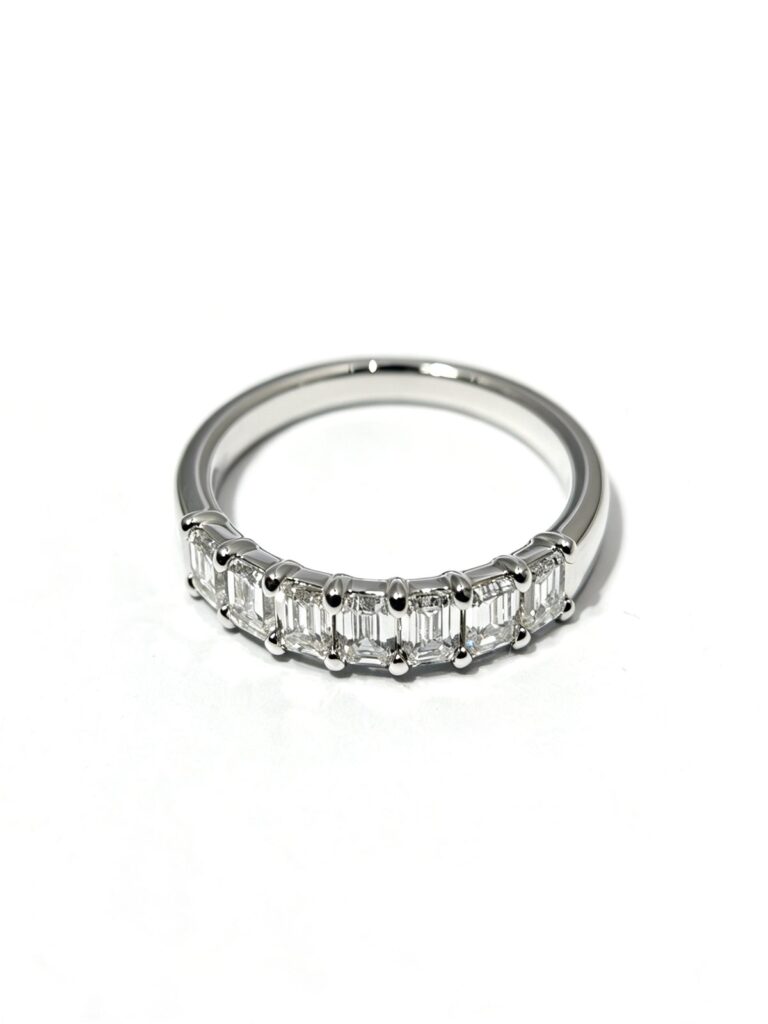
A ring with a lab-grown diamond centre stone looked bright when it was bought a year ago. Now it looks flat and slightly milky in daylight. The owner wants to know whether the stone has deteriorated and how to fix it.
 ZKZ Editorial TeamMain answer · Product & gemmology desk
No. A lab-grown diamond does not age, fade or turn cloudy in normal wear. It is the same crystallised carbon as a mined diamond. When one starts to look milky, the cause is almost always outside the stone: a film of skin oil, soap or lotion on the underside, debris in the setting, or a feature that was already present when it was bought.
Work through the causes in order
1. Residue on the pavilion
Fact A diamond’s brightness depends on light reflecting off its lower facets. Grease is attracted to diamond surfaces, and a thin film there interrupts that reflection, so the stone looks flat even though nothing has changed inside it. This is the most common cause and the easiest to fix.
2. Debris in the setting
Prongs and closed-back settings trap soap and dust under the stone. In sterling silver pieces, tarnish on the surrounding metal also makes the whole piece look duller.
3. Something that was there from the start
Clarity characteristics, haziness from growth features, or a poorly proportioned cut are present from the day the stone is made. They do not develop later, but you may notice them only once the novelty wears off. A grading report, if you have one, records clarity at the time of grading.
How to clean it safely
- Soak for 15 to 20 minutes in warm water with a few drops of mild dish soap.
- Brush under the stone with a soft toothbrush, where residue collects.
- Rinse in clean water with the drain closed, then dry with a lint-free cloth.
- Check in daylight. If the stone is bright again, residue was the cause.
Where the limits are
Our advice Avoid harsh silver dips and abrasive pastes on plated silver, because they can strip the finish. Be cautious with ultrasonic cleaners on pavé or older settings: the diamond tolerates it, but vibration can loosen small stones.
When to stop If a stone stays cloudy after a proper clean, or looks chipped or loose, stop wearing it and have a jeweller inspect it under magnification. Some lab-grown diamonds receive post-growth treatment, which should be disclosed on a report. If you suspect something has changed, a laboratory, not a home test, is the way to confirm it.
Sources
- GIA, Gems & Gemology (Summer 2024): Laboratory-Grown Diamonds, an update on identification
- FTC: In the Loupe, advertising diamonds, gemstones and pearls
Fact = stated by the cited source. Our advice = editorial recommendation. Uncertain / it depends = limits of what can be said in general.
Other perspectives from the ZKZ team
Cleaning frequency matters more than method. A ring worn daily collects a visible film within days, so a short soap-and-water clean every week or two prevents the "it has gone cloudy" moment entirely. Put rings on after hand cream, not before.
If brightness matters most to you, put cut quality ahead of small differences in colour or clarity when buying. A well-proportioned stone returns more light and stays lively between cleans; a deep or shallow cut looks flat sooner because it leaks light even when clean.
From the bench side: a stone that looks cloudy only from one angle is often sitting slightly tilted, or has a prong lifting at one corner. That is a setting issue, not a stone issue, and is usually a quick repair if caught early.
Have a different question? Ask our team, or browse more answers in Talk.
Related products
Related articles & topics
- Can I Shower or Swim in Sterling Silver Lab-Diamond Jewelry?Talk
- Does Rhodium Plating Wear Off a Silver Diamond Ring, and Can It Be Redone?Talk
- 0.5 ct vs 1 ct Lab Diamond Studs: Is the Size Difference Noticeable?Talk
- What Does a Lab-Diamond Grading Report Show, and Is a Seller's Report Enough?Talk
- Can a Lab-Grown Diamond Pass a Diamond Tester?Talk
- Silver Necklaces for Sensitive Skin: What to Look ForGuide
- Layering Silver Necklaces Without TanglingGuide
- Silver Necklace Chains Compared: Box, Cable, Rolo, Snake and FigaroGuide
- Does 925 Sterling Silver Tarnish? Causes and FixesGuide
- How to Choose 925 Sterling Silver Jewelry for a Lab Grown Diamond LineGuide
Recommended
 What is the difference between GIA, IGI and in-house reports for lab-grown diamonds?Talk
 What bracelet size should I order if I have a small, medium or large wrist?Talk
 What are flat-back studs, and who needs them for cartilage or sleeping?TalkWhat jewelry suits an engagement-party or bridal-shower gift?Talk
 Can nickel-free silver jewelry still cause a reaction?Talk
 What are the black spots on my silver jewelry, and are they damage or tarnish?Talk