Will a Silver Ring Turn My Finger Green?
925 sterling silver jewellery, set with lab grown diamonds and made in our own Shenzhen workshop.
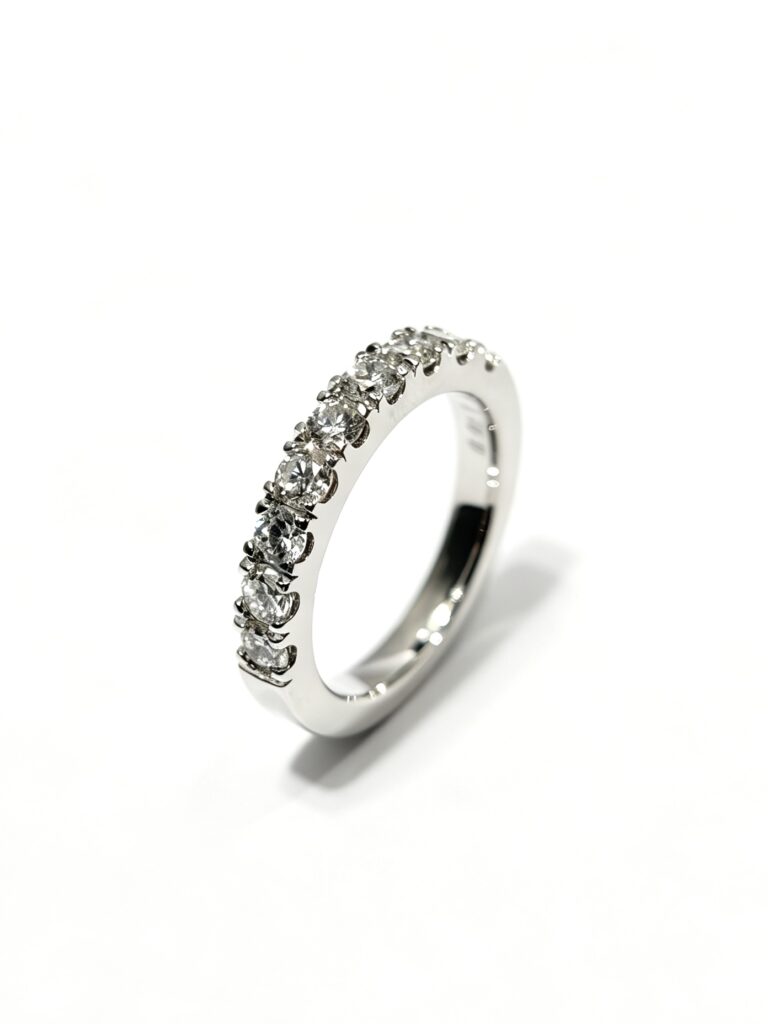
A green band around the finger at the end of the day is the most common complaint about silver rings, and it is also one of the easiest to solve. The mark comes from copper in the alloy meeting sweat and cosmetics; the variables that decide how much appears are the fit of the ring, the finish and how the hand is used.
Why rings mark the finger more than other jewellery
Because a ring traps moisture against the skin all day.
A necklace hangs and dries; a ring sits in a closed loop, and the skin underneath does not ventilate. Sweat, soap residue and hand cream collect in that gap, and copper from the sterling alloy reacts with them to form green compounds that transfer to the skin.
The effect increases with the width of the band and the tightness of the fit, because both reduce airflow. That is why wide wedding bands and tightly fitted rings mark fingers more often than thin, loose bands.
Is the green mark harmful?
No. It is a surface compound and washes off.
Copper compounds are not absorbed through intact skin in a way that causes harm, and the same reaction appears on jewellery that has been worn for decades. If the skin under the mark is red, cracked or itchy, that is contact dermatitis from nickel or another allergen rather than the green stain, and it needs a different response.
Very rarely, a person may be sensitive to copper itself; in that case a plated ring or a different alloy is the practical solution.
What makes it worse
Heat, humidity, cosmetics, tight fit and worn plating.
Summer weather and exercise increase sweating. Hand cream, sunscreen and soap leave residues that hold moisture against the skin. A ring that is too tight prevents the finger from breathing, and worn plating exposes the copper-bearing alloy directly.
Chlorinated water adds another factor: chlorine attacks the surface and accelerates both tarnish and skin marks, which is why rings should be removed before swimming.
| Cause | What you see | Practical fix |
|---|---|---|
| Tight fit, trapped moisture | Uniform green band | Resize the ring or choose an open-back design |
| Copper in the alloy | Light green film | Rhodium plating, or accept and clean daily |
| Worn plating | Patchy green with dull spots | Re-plate the ring |
| Cosmetics and sunscreen | Marks after product use | Apply products before wearing, wipe the ring dry |
| Nickel release | Green plus itch or redness | Change the alloy; nickel-free specification |
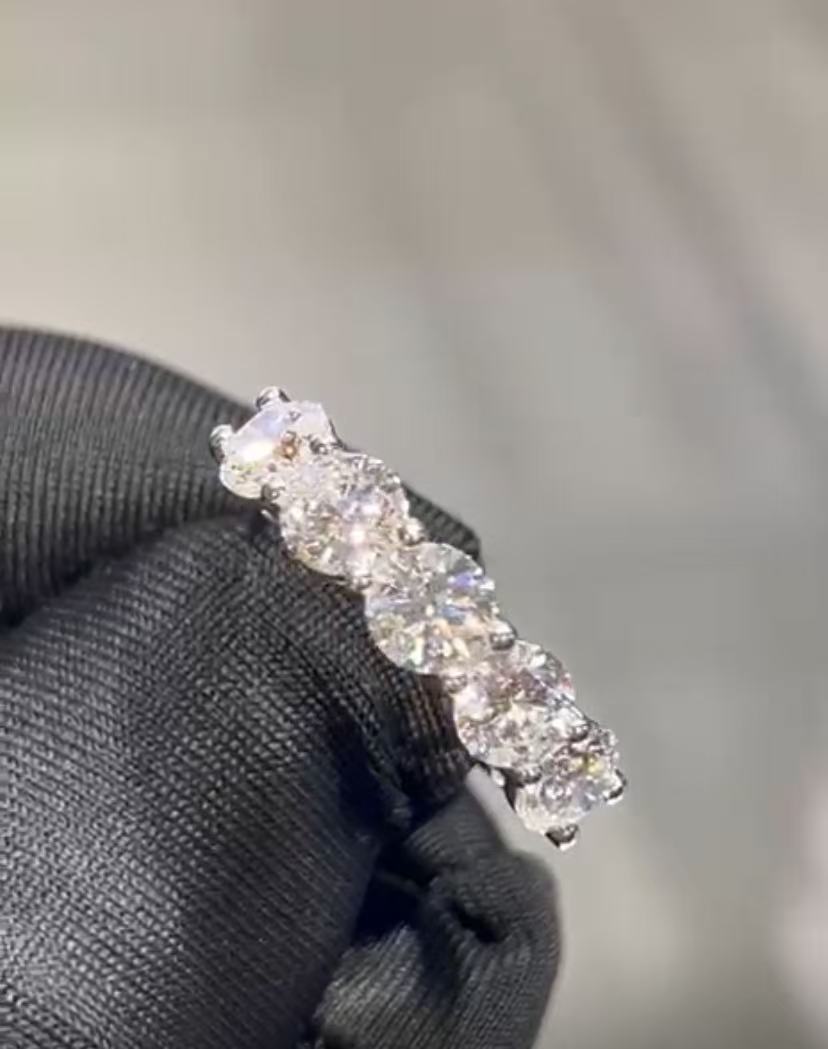
How to stop a silver ring turning your finger green
Reduce moisture, improve the fit and choose a barrier finish.
The single most effective change is to dry the finger and the ring during the day: rinse and dry after washing hands, remove the ring before exercise and before applying creams, and let the skin dry before putting the ring back. If the ring is tight, resizing or choosing an open-back design lets air reach the skin.
Rhodium plating creates a barrier between the alloy and the skin and is the standard fix for rings that mark fingers. The plating wears at the palm side first, so plan for re-plating on a daily-wear ring.
Does a different silver help?
Alloys with less copper or with a barrier finish mark skin less.
The sterling standard fixes the silver content at 92.5% but not the remaining metals, and some manufacturers use alternative alloying elements or a palladium-white finish for sensitive wearers. If the mark persists with a plated ring that is correctly sized, the alloy composition is worth questioning.
Coatings are described by standards such as ASTM B700, and fineness terminology follows the CIBJO Blue Book.
Cleaning routine for rings
Clean and dry the ring every day, and the inside of the band every week.
Wipe the inside of the band with a soft cloth after removing it, clean with mild soap and a soft brush once a week, and dry thoroughly. Plated rings should be wiped rather than polished, because abrasive cloths wear the coating at the edges. Keeping the inside of the band clean removes the residues that start the reaction.
What to check when buying a silver ring
Ask about the alloy, the finish and the fit.
For a ring that will be worn daily, confirm whether it is bare sterling or plated, ask whether the alloy is nickel-free if you have reacted before, and have the size checked properly. A slightly looser fit and a narrower band both reduce the mark, and an open-back design is worth considering for a wide band.
Our guide to green skin from silver covers the general causes, and the silver jewelry guide covers the material choices.
FAQ
Is green skin from a silver ring dangerous?
No. The mark is a copper compound transferred from the ring to the skin and washes off with soap and water. It is cosmetic. If the skin is also red, itchy or broken, the cause is likely a nickel allergy or dermatitis rather than the green stain.
How do I stop my silver ring turning my finger green?
Keep the finger and the ring dry, remove the ring before exercise and before applying creams, and clean the inside of the band regularly. If it still happens, consider rhodium plating or a slightly looser fit, both of which reduce contact between the alloy and the skin.
Does rhodium plating stop the green mark?
It usually does, because the plating is a barrier between the copper-bearing alloy and the skin. The effect lasts as long as the plating does; the palm side wears first, and re-plating restores the barrier.
Will a wider ring mark my finger more?
Yes. A wider band covers more skin and traps more moisture, so the reaction has more area to work on. Narrower bands, a looser fit and an open-back design all reduce the effect.
Sources and further reading
References supporting the material and coating points in this guide.
- CIBJO Blue Book — precious metal fineness and terminology
- ASTM B700 — electrodeposited silver coatings
- The Silver Institute — silver behaviour and care references
- The Assay Office — hallmarking precious metal items
- IGI — gemstone and jewelry testing references
Next step: need silver rings specified with a nickel-free alloy and a barrier finish? Send the requirements to vinico@zkzdiamonds.com or message +86 135 3037 8229.
{“@context”:”https://schema.org”,”@type”:”FAQPage”,”mainEntity”:[{“@type”:”Question”,”name”:”Is green skin from a silver ring dangerous?”,”acceptedAnswer”:{“@type”:”Answer”,”text”:”No. The mark is a copper compound transferred from the ring to the skin and washes off with soap and water. It is cosmetic. If the skin is also red, itchy or broken, the cause is likely a nickel allergy or dermatitis rather than the green stain.”}},{“@type”:”Question”,”name”:”How do I stop my silver ring turning my finger green?”,”acceptedAnswer”:{“@type”:”Answer”,”text”:”Keep the finger and the ring dry, remove the ring before exercise and before applying creams, and clean the inside of the band regularly. If it still happens, consider rhodium plating or a slightly looser fit, both of which reduce contact between the alloy and the skin.”}},{“@type”:”Question”,”name”:”Does rhodium plating stop the green mark?”,”acceptedAnswer”:{“@type”:”Answer”,”text”:”It usually does, because the plating is a barrier between the copper-bearing alloy and the skin. The effect lasts as long as the plating does; the palm side wears first, and re-plating restores the barrier.”}},{“@type”:”Question”,”name”:”Will a wider ring mark my finger more?”,”acceptedAnswer”:{“@type”:”Answer”,”text”:”Yes. A wider band covers more skin and traps more moisture, so the reaction has more area to work on. Narrower bands, a looser fit and an open-back design all reduce the effect.”}}]}
Recommended
 How to Find Your Ring Size at Home (Free Printable Method)Jewelry Guides & Sizing
 Sterling Silver Eternity Rings: Full, Half and Channel SetSilver Jewelry
 Sterling Silver Rings: How to Choose a Ring That LastsSilver Jewelry
 Silver Earring Backs: Butterfly, Screw, Push and LockingSilver Earrings
 Lab Grown Diamond Earrings in Silver: Buying ChecklistLab Grown Diamond Earrings
 Ear Stacking With Sterling Silver: A Practical GuideSilver Earrings