How do I convert a diamond’s millimetre size to carat weight when checking specs?
925 sterling silver jewellery, set with lab grown diamonds and made in our own Shenzhen workshop.
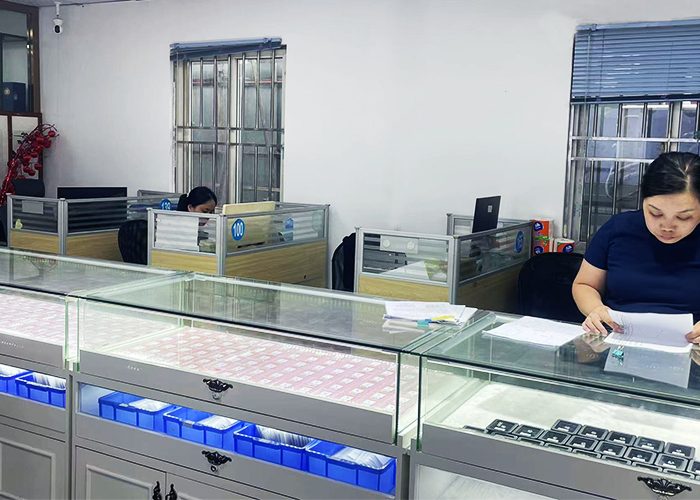
Talk · Production, QC & Testing (B2B)
A buyer places an order for lab-grown diamonds specified by millimetre size and wants to know how to check that the carat weight is right.
 ZKZ Editorial TeamMain answer · Product & gemmology desk
Millimetres describe size and carat describes weight, so one does not fix the other. Shape, depth and proportions change the weight of a stone of the same diameter. We did not verify any formula that converts size to weight reliably, so we give none. Specify both measurements and check against the report.
What we verified
Fact GIA says carat measures weight, not size, that a metric carat is defined as 200 milligrams, and that each carat is subdivided into 100 points.
Fact GIA says its laboratory-grown diamond reports are issued for loose stones of 0.15 carats or more, with the girdle laser inscribed with the term Laboratory-Grown and a report number.
How to check an order
- Specify shape, carat weight range, length and width in millimetres, and depth if it matters.
- Ask for the report number and check it on the laboratory site.
- Weigh a sample on a calibrated scale, or have a third party do it.
- Measure with callipers and compare with the report.
- Agree in writing what tolerance is acceptable and what happens outside it.
Our advice Do not rely on a size-to-weight chart from the internet for a purchase order. Use the measured values and the report.
It depends Two stones of the same weight can have different face-up sizes, and the same diameter can mean different weights.
Writing the spec clearly
Our advice In the purchase order, list shape, minimum and maximum weight, length, width, colour and clarity range, and the laboratory that will issue the report. Add what happens when a stone falls outside the range: replacement, discount or rejection. A clear spec prevents most disputes about weight, because both sides can check the same numbers on a scale and on the report.
Our advice When a supplier quotes a weight from a size, ask whether the figure was measured or estimated. For a first order, weigh a few stones yourself on a calibrated scale and keep the readings with the order records.
Uncertain We did not verify a conversion formula or typical weight for any given diameter, or accepted weighing tolerances.
Related reading: How should diamond weight be stated: decimal or fraction? · Eternity Band Carat Weight: What You Get at Each Size
Sources
Fact = stated by the cited source. Our advice = editorial recommendation. Uncertain / it depends = limits of what can be said in general.
Other perspectives from the ZKZ team
Put weight, length and width in the order, not only one of them. Check the first delivery by weighing and measuring a sample.
Ask the supplier to supply reports and to confirm the numbers on the report match the order. Agree what happens if they do not.
State carat weight accurately in every listing. Weight is a measure of mass, and customers will check it against the report.
Have a different question? Ask our team, or browse more answers in Talk.
Related products


Related articles & topics
- How do I compare two silver diamond pendants with the same stone size?Talk
- How should diamond weight be stated: decimal or fraction?Talk
- What does “total carat weight” mean on a jewelry listing?Talk
- 0.5 ct vs 1 ct Lab Diamond Studs: Is the Size Difference Noticeable?Talk
- What should I know before ordering diamond jewelry from overseas?Talk
- Lab Grown Diamond Tennis Necklaces: What to Check Before You BuyGuide
- Lab Grown Diamond Stud Earrings: Sizes, Settings and PriceGuide
- Lab Diamond Necklace Lengths and LayeringGuide
- Jewelry Quality Control Checklist for Production OrdersGuide
- Round vs Oval Diamonds: Sparkle, Size and PriceGuide
Recommended
 What is the difference between GIA, IGI and in-house reports for lab-grown diamonds?Talk
 What bracelet size should I order if I have a small, medium or large wrist?Talk
 What are flat-back studs, and who needs them for cartilage or sleeping?TalkWhat jewelry suits an engagement-party or bridal-shower gift?Talk
 Can nickel-free silver jewelry still cause a reaction?Talk
 What are the black spots on my silver jewelry, and are they damage or tarnish?Talk