How to Clean Lab Diamond Jewelry Safely
925 sterling silver jewellery, set with lab grown diamonds and made in our own Shenzhen workshop.
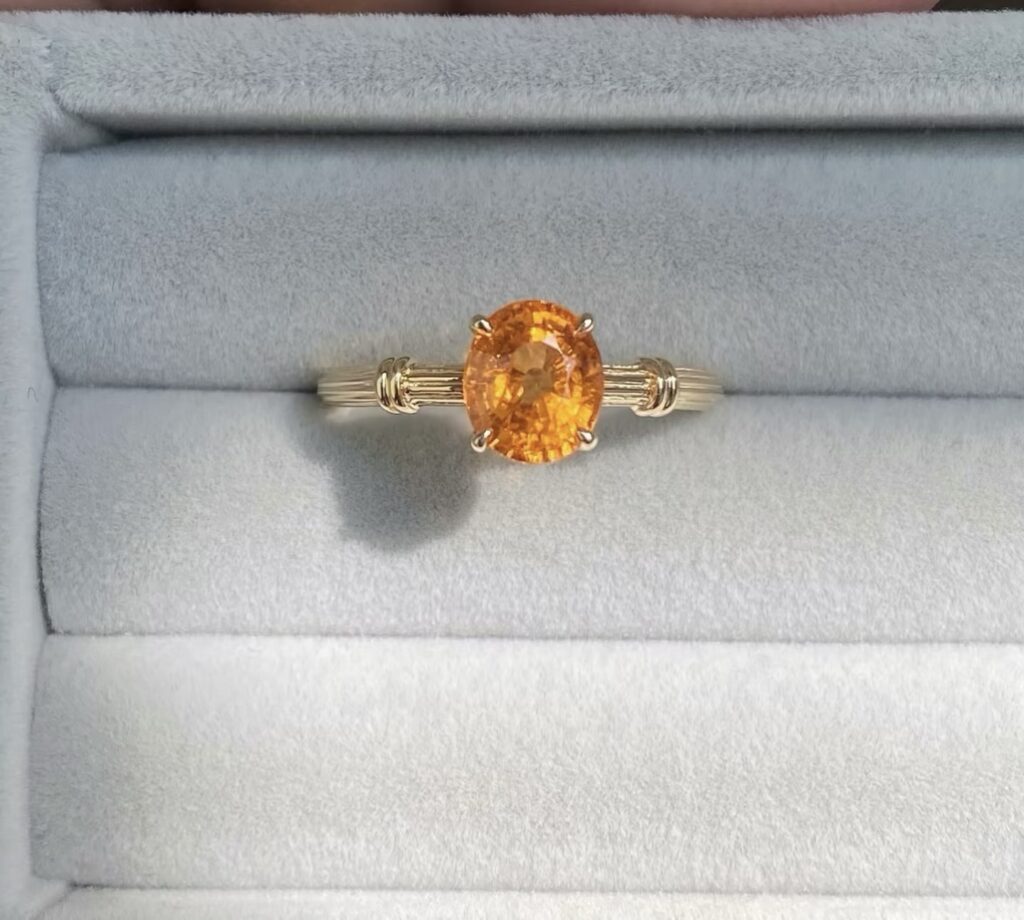
The piece comes back after a year with a complaint that the stones have lost their sparkle, and the stones are unchanged. What has changed is the film on the pavilion — the underside of each stone, where light enters and leaves. That surface gathers skin oils, hand cream and soap residue and is enclosed by the setting, so it never gets wiped by accident. Cleaning a diamond piece is mostly about reaching that surface without touching the metal around it more than necessary.
Why does diamond jewelry look dull?
Because the underside of the stone is dirty, not because the stone has changed.
Diamond does not cloud, dull or lose brilliance with age, and it is hard enough that ordinary wear does not scratch it. What reduces the appearance is a film on the pavilion, and the effect is disproportionate: a thin layer of oil scatters light before it reaches the viewer, so a stone that is clean on top looks flat overall. Cleaning the crown and leaving the pavilion untouched is why many home attempts produce no visible improvement.
The same applies to settings, where the space behind each stone collects oil and holds it against the metal.
The routine, by piece
The same method applies anywhere, with different tools depending on the setting.
| Piece | What collects the most | Tool | Extra step |
|---|---|---|---|
| Necklace | Body oils on the pavilion | Soft brush | Clean along the line rather than at a few stones |
| Ring | Soap residue and hand cream under the stone | Soft brush, plus a wooden toothpick | Work at the gap between stone and setting |
| Stud earrings | Oils on the post and inside the back | Soft brush | Clean the post and the back as carefully as the stone |
| Halo or pavé | Oil in many small settings | Soft makeup brush | Brush around each setting, not across the run |
The routine, step by step
Six steps, and a check before the first one.
One: inspect for a stone that moves under light finger pressure, and stop if one does, because cleaning a loose stone risks losing it. Two: close clasps and check that backs are secure on posts. Three: soak in warm water with a drop of mild washing-up liquid for five to ten minutes. Four: brush gently with a soft brush, concentrating on the underside of each stone and the space behind the setting. Five: rinse in clean warm water or under a tap with the plug in. Six: dry with a lint-free cloth and leave to air for an hour before storing.
Do not use toothpaste, baking soda or any abrasive paste. They scratch metal, round off prong tips and, over time, loosen the very settings they were meant to protect.
Ultrasonic and steam
Effective, and not appropriate for every piece.
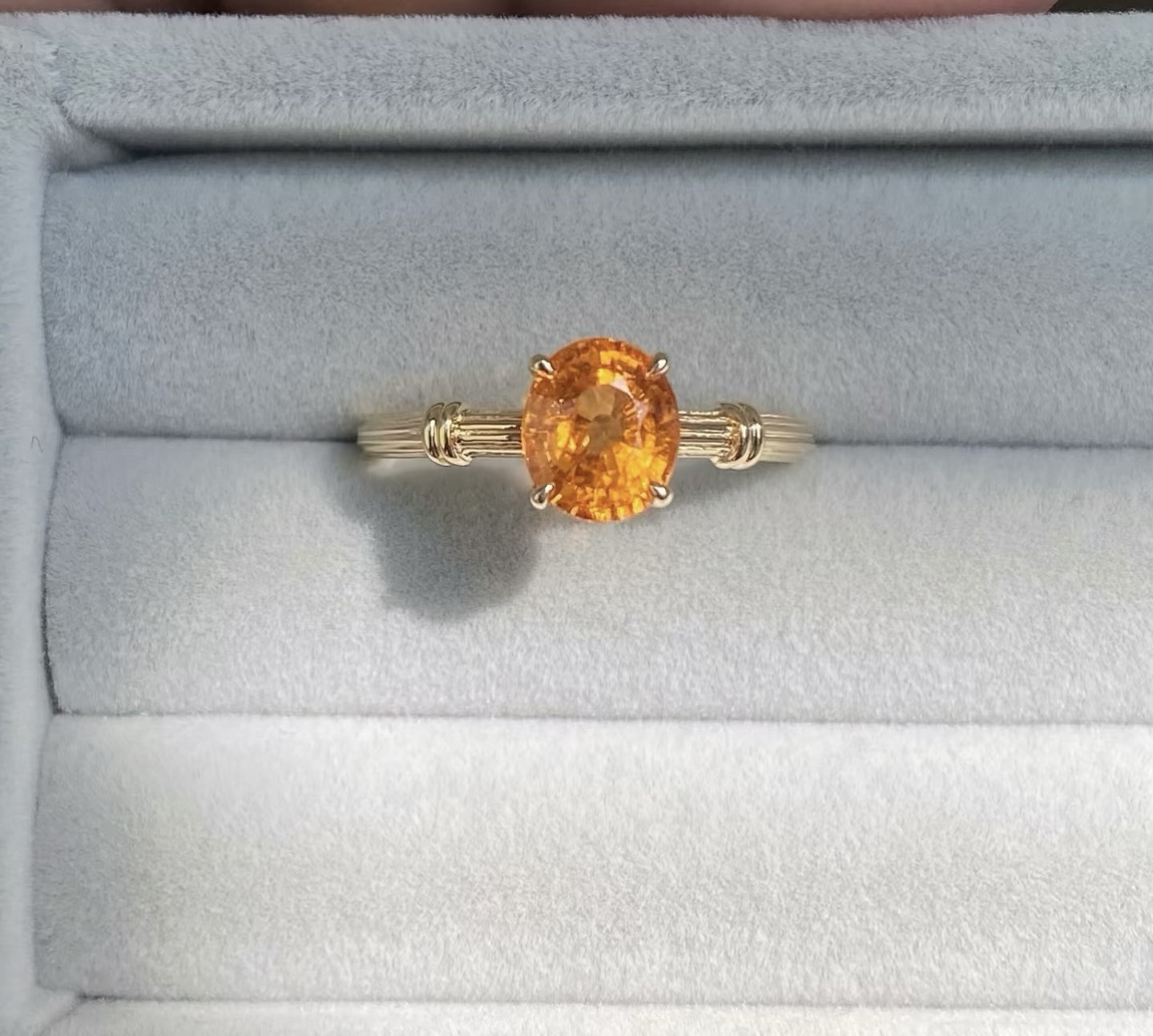
Ultrasonic cleaning removes the film thoroughly and is standard in workshops, but it is unsuitable for pieces with glued settings, for treated or fracture-filled stones, for some coloured stones, for pavé runs with many small settings and for plated finishes where vibration accelerates wear. Steam is gentler and does not require the piece to be disassembled, which is why jewellers use it for a quick finish. Where the construction is not obvious, ask before using either.
The other caution is frequency. Repeated ultrasonic cleaning is not a substitute for a proper inspection, and settings that are already loose will not be improved by vibration.
Product residue and what actually damages a setting
The risks are chemical, mechanical and structural, in that order.
Chlorine and harsh cleaning agents attack plated finishes and some alloys, and they are the most common avoidable cause of damage. Mechanical risks include snagging on knitwear, which bends prongs, and impact, which can chip a stone along the girdle. Structural risk is the slow loosening of a setting from handling, which is why the inspection matters more than the cleaning. Our notes on caring for a diamond necklace and on cleaning diamond earrings cover the piece-specific details.
Storage that protects a setting
Flat, separate, dry and with closures closed.
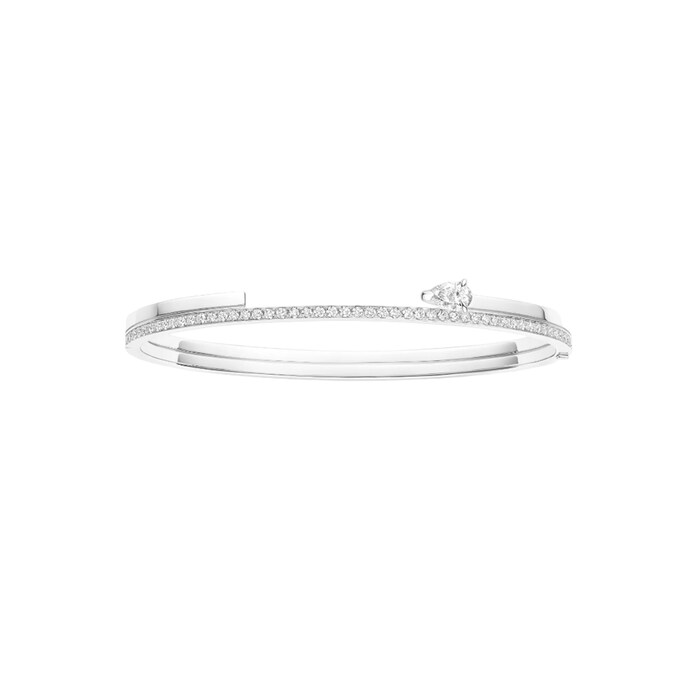
Necklaces and bracelets should be stored flat rather than coiled, because coiling presses prongs against adjacent settings. Rings and earrings should have their own compartments rather than sharing a box with harder pieces, which is what actually scratches metal. Clasps should be closed and safeties open so the safety is not under tension during storage. And humidity should be managed for the metal’s sake rather than the stone’s, since diamond is unaffected by moisture but plated finishes are not.
Habits that reduce how often cleaning is needed
Four that cost nothing.
Apply cosmetics, hair products and perfume before putting jewellery on rather than after, so products do not collect behind the settings. Remove pieces for sport, swimming and cleaning. Wipe a piece with a dry cloth after wear to remove the surface film. And keep the inspection habit: once every few months, run a fingertip lightly across each stone, because a stone that moves is the signal that matters and it is far cheaper to correct early.
FAQ
How do I clean diamond jewelry at home?
Soak in warm water with a drop of mild soap for five to ten minutes, brush gently with a soft brush concentrating on the underside of each stone and behind the setting, rinse in clean warm water and dry with a lint-free cloth. Check for loose stones before starting.
Can I use dish soap on diamonds?
Yes. A drop of mild washing-up liquid in warm water is the standard home method and is safe for diamond. Avoid anything with abrasives, bleach or ammonia, particularly on plated or silver pieces, and avoid toothpaste and baking soda, which scratch metal and wear prong tips.
Is it safe to use an ultrasonic cleaner on diamond jewelry?
For a plain diamond in a sound prong or bezel setting, usually yes. It is not appropriate for glued settings, treated stones, some coloured stones, pavé runs or plated finishes, where vibration accelerates wear or loosens fragile settings. Ask the maker if the construction is not obvious.
Why do my diamonds look cloudy?
Almost always because of a film of skin oils and product on the pavilion, not because the stone has changed. Diamond does not cloud with age. The underside is enclosed by the setting and is the surface a cloth cannot reach, which is why brushing from behind the stone makes the visible difference.
Sources and further reading
- GIA — treatments and why some stones should not be cleaned ultrasonically
- GIA Gem Encyclopedia — diamond properties
- The Silver Institute — silver behaviour in mixed-metal pieces
- ASTM B700 — electrodeposited silver coating specification
- Assay Office — precious metal care guidance
- International Gem Society — gemstone care reference
Next step: If a stone has started to move, a prong looks worn or a clasp no longer grips, send us a photograph and the specification and we will tell you whether it is a tightening job or a rebuild, and what any replacement stone would need to match. Repairs, ready-stock pieces and OEM programmes are all handled. Contact vinico@zkzdiamonds.com or WhatsApp +86 135 3037 8229.
{“@context”:”https://schema.org”,”@type”:”FAQPage”,”mainEntity”:[{“@type”:”Question”,”name”:”How do I clean diamond jewelry at home?”,”acceptedAnswer”:{“@type”:”Answer”,”text”:”Soak in warm water with a drop of mild soap for five to ten minutes, brush gently with a soft brush concentrating on the underside of each stone and behind the setting, rinse in clean warm water and dry with a lint-free cloth. Check for loose stones before starting.”}},{“@type”:”Question”,”name”:”Can I use dish soap on diamonds?”,”acceptedAnswer”:{“@type”:”Answer”,”text”:”Yes. A drop of mild washing-up liquid in warm water is the standard home method and is safe for diamond. Avoid anything with abrasives, bleach or ammonia, particularly on plated or silver pieces, and avoid toothpaste and baking soda, which scratch metal and wear prong tips.”}},{“@type”:”Question”,”name”:”Is it safe to use an ultrasonic cleaner on diamond jewelry?”,”acceptedAnswer”:{“@type”:”Answer”,”text”:”For a plain diamond in a sound prong or bezel setting, usually yes. It is not appropriate for glued settings, treated stones, some coloured stones, pavé runs or plated finishes, where vibration accelerates wear or loosens fragile settings. Ask the maker if the construction is not obvious.”}},{“@type”:”Question”,”name”:”Why do my diamonds look cloudy?”,”acceptedAnswer”:{“@type”:”Answer”,”text”:”Almost always because of a film of skin oils and product on the pavilion, not because the stone has changed. Diamond does not cloud with age. The underside is enclosed by the setting and is the surface a cloth cannot reach, which is why brushing from behind the stone makes the visible difference.”}}]}
Part of our 925 sterling silver jewelry guide.
Recommended
 Does a matte, brushed or satin finish on silver wear differently from polish?Care & Cleaning
 How are solder joints on silver jewelry repaired without damaging stones?Care & CleaningWhat is a good gift for a self-purchase to celebrate a milestone?Jewelry Guides & Sizing
 Jewelry Care Myths: What Actually Damages Silver and DiamondsCare & Cleaning
 Is Lab Grown Diamond Jewelry a Good Investment?Buying Guides
 How do I repair a broken bracelet clasp or replace it with a better one?Care & Cleaning