Fancy Shape Lab Diamonds: Value and Design Options
Fancy shapes give more face-up size per carat, and in lab grown supply that advantage is often larger than the price gap against round. Matching is where the saving goes.
Round, oval, emerald, pear, princess, marquise and more, compared.
Fancy shapes give more face-up size per carat, and in lab grown supply that advantage is often larger than the price gap against round. Matching is where the saving goes.
A cushion hides a low clarity grade better than almost any other shape. An asscher shows it more clearly than any other. They look similar in a photograph.
These three shapes give the most face-up size per carat and the least tolerance for error. A single misaligned point is visible from across a table.
The emerald cut is built to be looked through, and the princess is built to sparkle. That single difference explains how each handles inclusions, and why one needs better clarity.
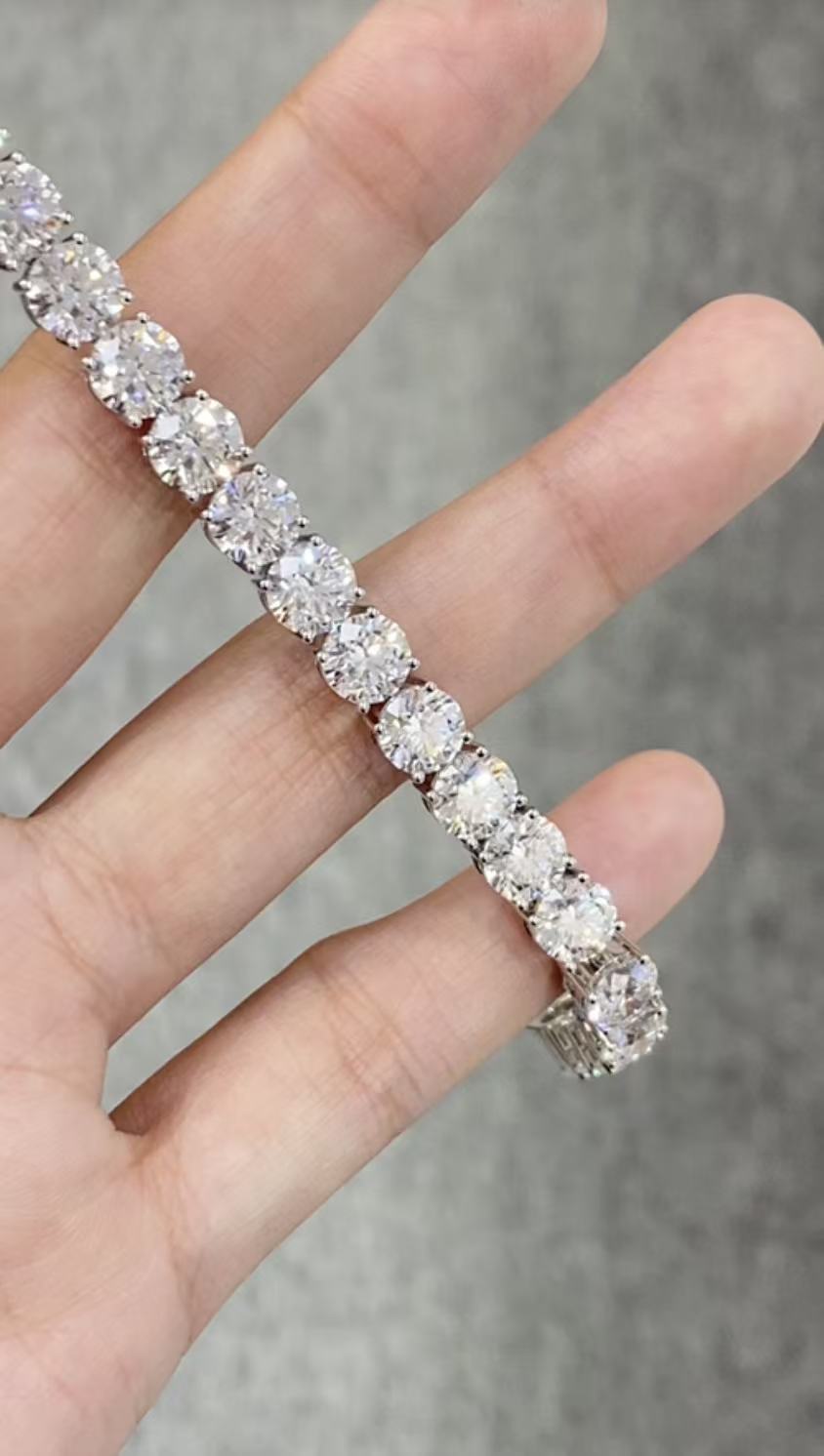
A round returns the most light; an oval shows the most size. The price difference between them comes from demand, not from any difference in material.
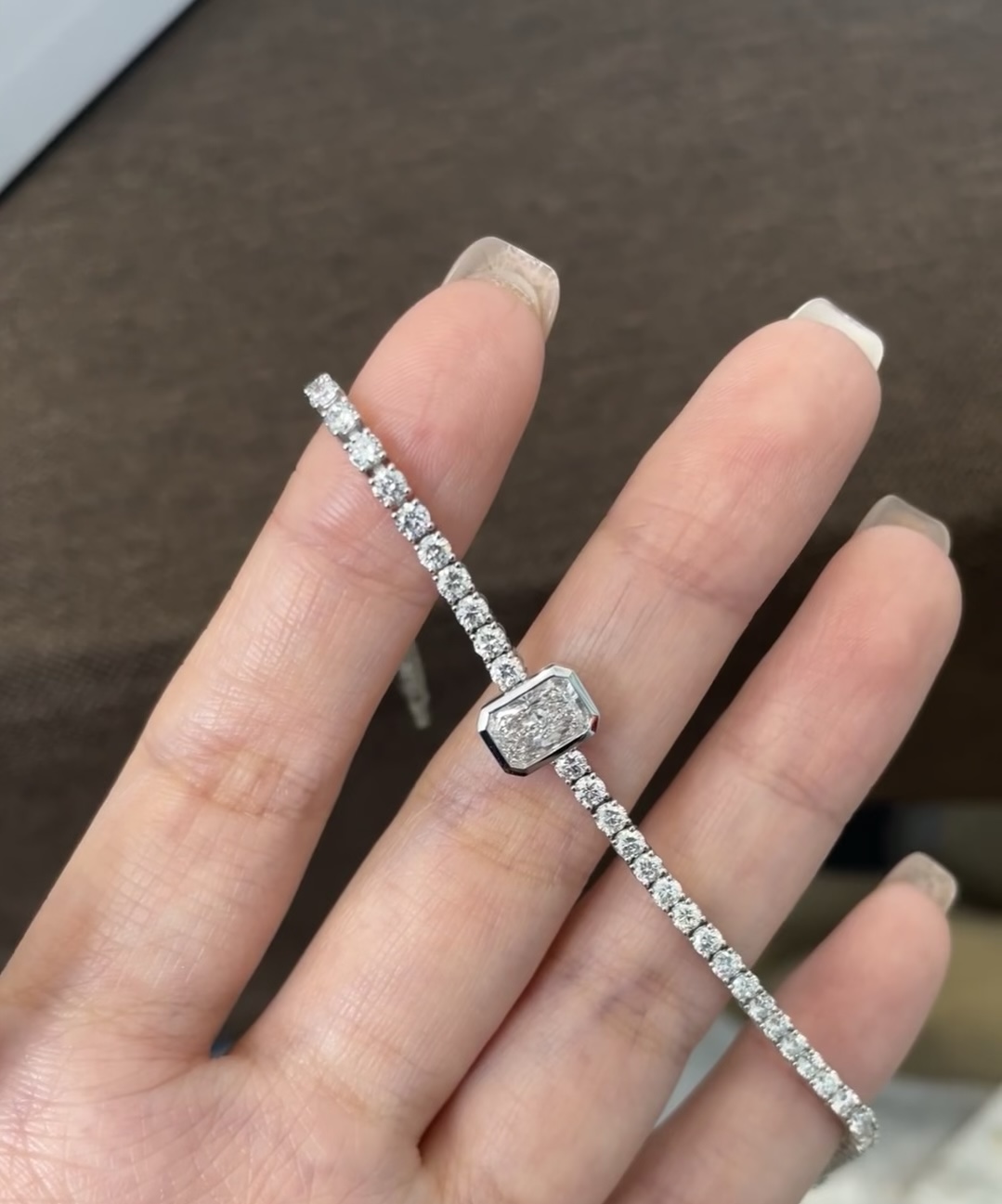
The same 6.5 mm spread can belong to a lighter or a heavier stone depending on cut depth. Shape decides how much you see for a given budget.
Category, centre stone size and target retail price are enough for us to come back with a costed configuration for 925 sterling silver with lab grown diamonds.