Custom Rings: Choosing Metal, Stone and Setting
925 sterling silver jewellery, set with lab grown diamonds and made in our own Shenzhen workshop.
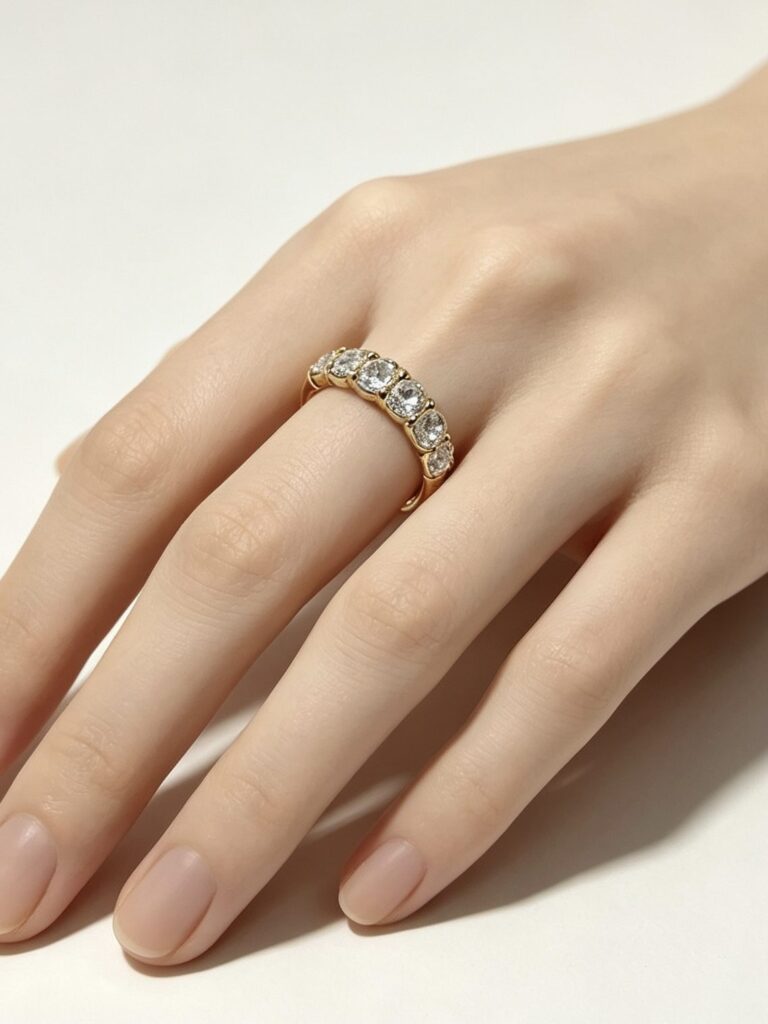
The ring comes back with a complaint that the band is narrower than expected and the stone sits higher than the client pictured. Nothing was made incorrectly. The brief specified the design, the stone and the metal, and left the band width, the profile and the setting height to the workshop. Those three are the decisions the hand notices daily, and they are the ones a rendering shows least clearly. A custom ring goes right when they are specified in millimetres before the design is approved.
What should be settled first on a custom ring?
The stone’s size and shape, because everything else is built around them.
A ring is a proportion problem before it is a design problem. The spread of the centre stone determines how wide the band has to be to look balanced, and its depth determines how high the setting must sit. Decide the stone’s face-up size in millimetres and its shape first, and the band and setting follow logically. Decide the design first and the stone has to be found inside a narrow window, which is slower and usually more expensive.
The second decision is how the ring will be worn, because that determines the metal and the setting type more than aesthetics does.
Metal: the decision that outlives the design
Alloy choice affects durability, maintenance and cost, and it is hard to change later.
| Option | Hardness | Maintenance | Best for |
|---|---|---|---|
| 925 sterling silver | Moderate | Tarnish; polish or re-plate | Moderate stones, occasional wear, budget-led designs |
| 14K white gold | High | Re-plating at contact points | Daily wear, fine settings |
| 14K yellow or rose gold | High | None for tarnish | Daily wear where colour suits |
| 18K gold | Moderate | As above | Higher-value stones, deeper colour |
| Platinum | High, displaces rather than wears | None | Rings worn daily for decades |
A ring is the piece where metal hardness matters most, because it contacts everything. If the stone’s replacement cost is significant, the incremental metal cost is small against the risk.
Stone: size, shape and grade
Three separate decisions, and the order matters.
Spread first: the diameter or length-and-width in millimetres, which is what determines how large the stone reads on the hand. Shape second, because it drives the setting type and how much of the outline needs protection. Grade third, with cut quality treated as a floor rather than a target, and colour and clarity absorbing whatever budget remains.
For a ring, clarity is the grade most often traded down without visible cost, and cut is the one worth insisting on because it is not paid for as a rarity premium. The comparison of ring setting styles explains how each setting changes apparent size once the stone is in place.
Setting: protection against appearance
Every setting trades how much stone is visible against how much is protected.
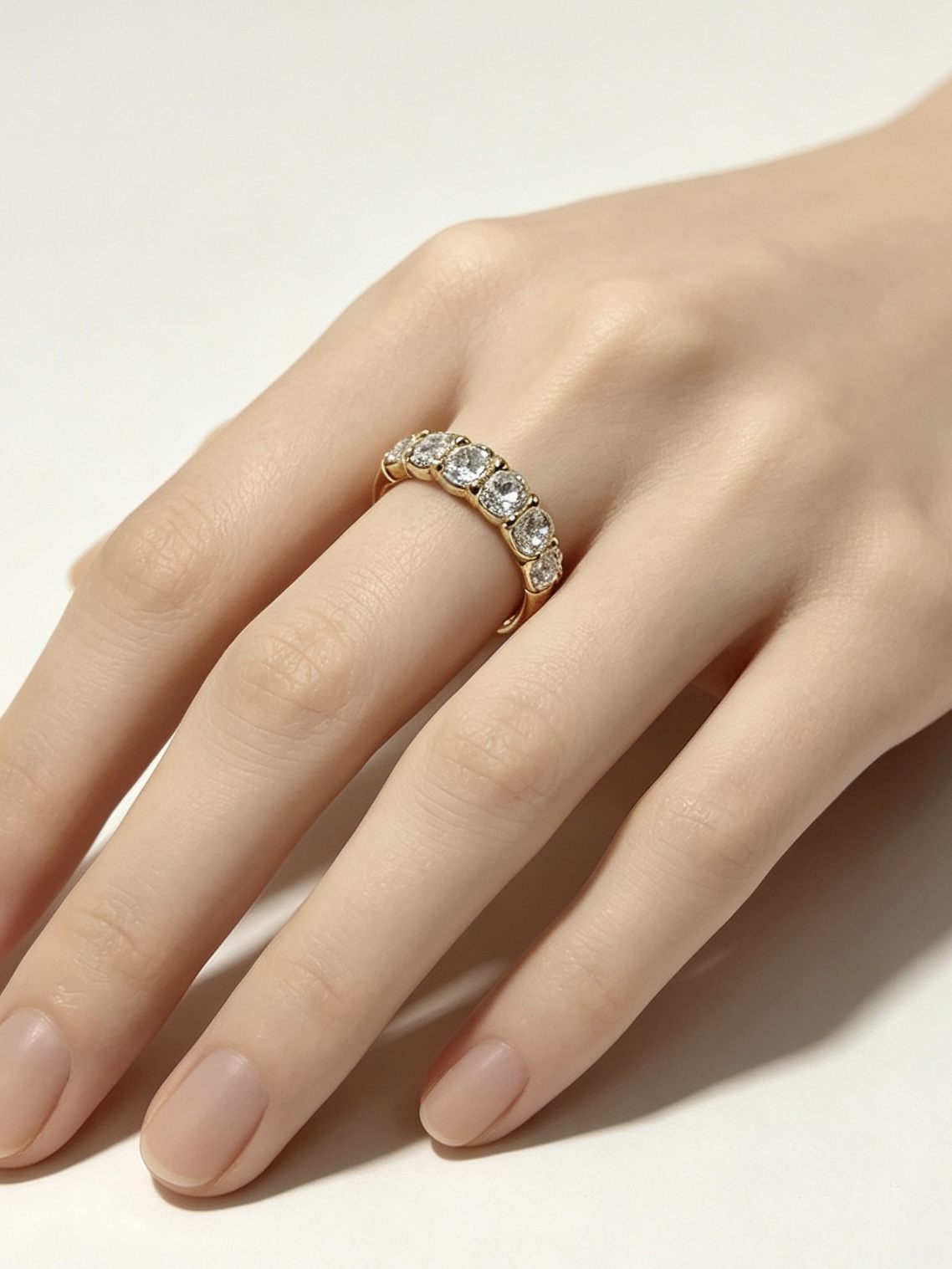
A four-prong solitaire shows almost the entire stone and leaves the claws exposed. A six-prong distributes the grip more evenly. A bezel encloses the edge, protecting the girdle and reading slightly larger. A halo enlarges apparent size and adds many small settings to maintain. The relevant question for a custom ring is not which looks best in a rendering but which suits the wearer’s hands, because a setting that catches will be taken off.
Setting height belongs in the same conversation. A tall setting shows more of the stone from the side and sits further from the finger, which increases both snag risk and interference with the neighbouring finger.
Size and fit
Measured in the conditions the ring will be worn, and specified with the band width.
Finger size changes with temperature and time of day, and a wide band feels tighter than a narrow one at the same internal diameter. Comfort-fit interiors reduce the contact area against the finger and are worth specifying on any band above about 3 mm. Sizing should be measured at the end of the day rather than first thing in the morning, and confirmed at the sample stage on the actual band rather than on a sizing set of a different width.
Cost and lead time
Four lines, and one stage that usually holds everything up.
The stone, which usually dominates. The metal, which depends on the alloy and the weight of the design. Labour, which scales with the number of stones set and the complexity of the finish. And tooling, where the design cannot be built from an existing mould. Lead time follows the same pattern: design and CAD take days, sampling adds a week or more if a stone has to be sourced, and production depends on tooling and setting complexity. The stage that slips most often is CAD approval, because it waits on the client rather than on the bench.
What to approve before production
Six points, and a sample that covers the ones a drawing cannot.
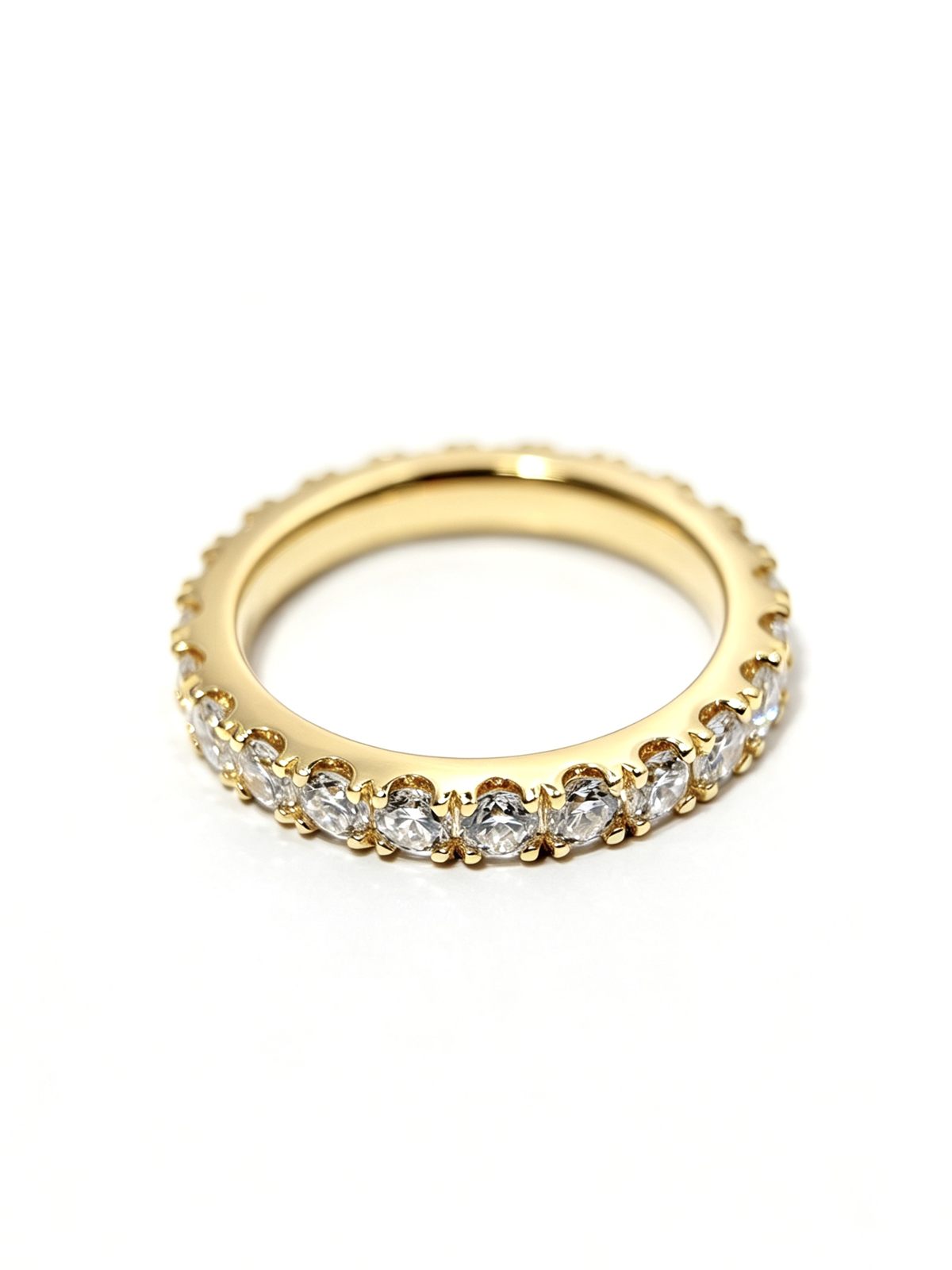
Confirm the stone’s spread in millimetres and its shape. Confirm the setting type and height. Confirm band width and interior profile. Confirm the metal, finish and whether it will be plated. Confirm the size and the fit preference. And confirm the clearance against any ring worn on the same finger, which matters where a wedding band will sit against the engagement ring.
The most useful thing a client can approve is a production-standard sample, because it settles weight, profile and finish in one object rather than in a discussion.
FAQ
How much does a custom ring cost?
Four lines: the stone, the metal, the labour for setting and finishing, and tooling if the design needs a new mould. The stone usually dominates, and tooling is carried by the first order alone, which is why a second identical ring costs less than the first.
How long does a custom ring take?
Design and CAD take days if the brief is complete. Sampling adds a week or more when a stone has to be sourced. Production depends on whether the design needs new tooling and how many stones are set individually. CAD approval is the stage that most often causes delay.
Which metal is best for a custom ring?
For a ring worn daily, platinum or 14K gold, because both hold fine settings longer than softer alloys. Sterling silver is a reasonable choice for a moderate stone worn occasionally, and it leaves more budget for the stone and the setting. Frequency of wear decides it more than preference.
What should I specify in a custom ring brief?
Stone spread in millimetres and its shape, setting type and height, metal and finish, band width and interior profile, and size with the fit you want. Those five lines cover the decisions the hand notices, and they are the ones a rendering shows least clearly.
Sources and further reading
- GIA 4Cs — grading factors a specification refers to
- Assay Office — hallmarking for custom pieces
- GIA Report Check — verifying stone documentation
- The Silver Institute — metal properties for design decisions
- CIBJO Blue Books — terminology and disclosure
- International Gem Society — setting and construction reference
Next step: Send the stone spread you want, the setting type, the metal and the fit, and we will return a CAD model with band width, setting height and estimated weight, then a production-standard sample for approval. Custom, OEM and private-label programmes are all available. Contact vinico@zkzdiamonds.com or WhatsApp +86 135 3037 8229.
{“@context”:”https://schema.org”,”@type”:”FAQPage”,”mainEntity”:[{“@type”:”Question”,”name”:”How much does a custom ring cost?”,”acceptedAnswer”:{“@type”:”Answer”,”text”:”Four lines: the stone, the metal, the labour for setting and finishing, and tooling if the design needs a new mould. The stone usually dominates, and tooling is carried by the first order alone, which is why a second identical ring costs less than the first.”}},{“@type”:”Question”,”name”:”How long does a custom ring take?”,”acceptedAnswer”:{“@type”:”Answer”,”text”:”Design and CAD take days if the brief is complete. Sampling adds a week or more when a stone has to be sourced. Production depends on whether the design needs new tooling and how many stones are set individually. CAD approval is the stage that most often causes delay.”}},{“@type”:”Question”,”name”:”Which metal is best for a custom ring?”,”acceptedAnswer”:{“@type”:”Answer”,”text”:”For a ring worn daily, platinum or 14K gold, because both hold fine settings longer than softer alloys. Sterling silver is a reasonable choice for a moderate stone worn occasionally, and it leaves more budget for the stone and the setting. Frequency of wear decides it more than preference.”}},{“@type”:”Question”,”name”:”What should I specify in a custom ring brief?”,”acceptedAnswer”:{“@type”:”Answer”,”text”:”Stone spread in millimetres and its shape, setting type and height, metal and finish, band width and interior profile, and size with the fit you want. Those five lines cover the decisions the hand notices, and they are the ones a rendering shows least clearly.”}}]}
Part of our custom jewelry guide.
Recommended
 How do I design packaging that protects chains and earrings in transit?Custom Jewelry
 How do I vet a jewelry factory before placing a first order?Custom Jewelry
 What should a shipping policy for jewelry say?Custom Jewelry
 How do I choose a brand name and check it is not already used for jewelry?Custom Jewelry
 Should I pay a factory deposit by bank transfer or use an order-protection service?Custom JewelryHow do I photograph jewelry honestly so customers get what they see?Custom Jewelry