Solitaire Pendant vs Diamond Necklace: Which Suits You?
925 sterling silver jewellery, set with lab grown diamonds and made in our own Shenzhen workshop.
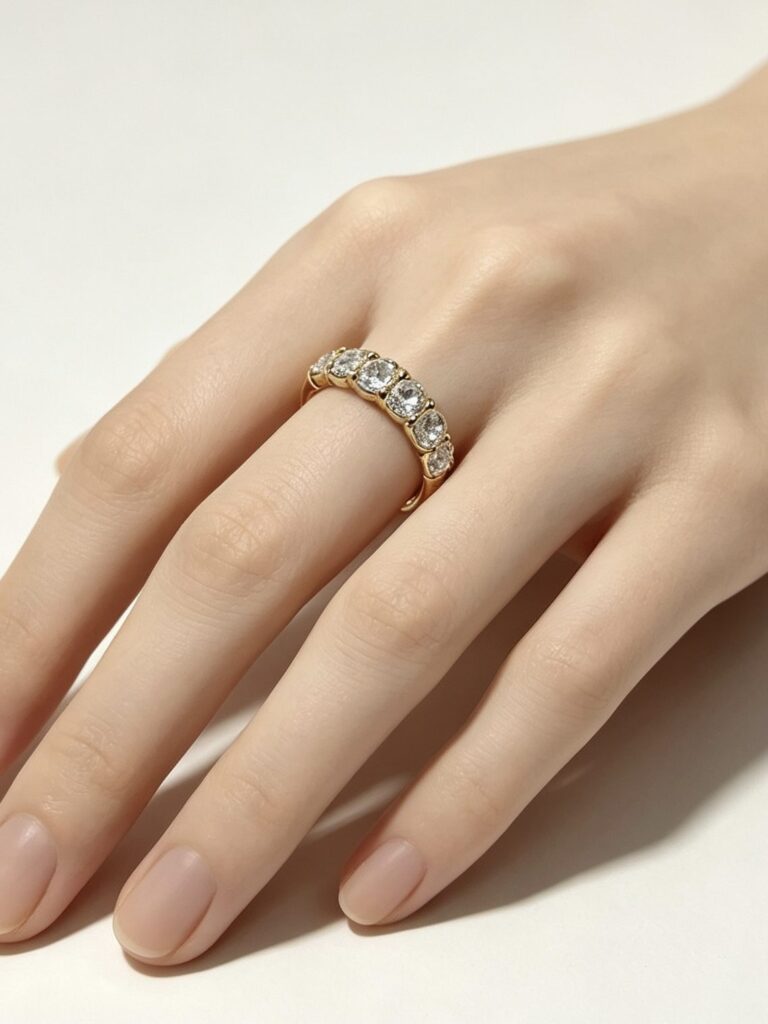
One stone or a line of them: that is the whole choice, and it divides buyers into two groups that rarely overlap. A solitaire pendant is worn continually and largely forgotten; a diamond line necklace is picked up deliberately and worn as the piece the outfit is built around. Both can be made with lab grown diamonds, both can look extraordinary, and both can be specified badly. The decision is easier when the comparison is made on wearability, stone use and cost structure rather than on photographs.
Last updated:
Which suits you: a solitaire pendant or a diamond necklace?
A pendant if the piece will be worn constantly; a line if it will be worn deliberately.
The pendant wins on daily wear because there is nothing to match, nothing to keep flat and nothing to rotate back into position. A single stone on a bail sits where gravity puts it and stays there. A diamond line necklace, by contrast, has to be sized to the neck, lies against the skin along its whole length, and shows every small difference between neighbouring stones.
Buyers who describe themselves as wearing the same piece every day for months are almost always better served by a pendant. Buyers who choose jewellery for an occasion, or who already own everyday pieces, usually get more from a line.
What each style actually is
The construction defines everything that follows, including price.
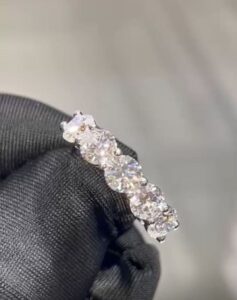
A solitaire pendant is one principal stone, a setting and a bail, hung on a chain. The bail is the only mechanical joint and it carries one stone’s weight. A diamond line necklace is a continuous run: many stones, each in its own setting, connected by articulated links, closed with a clasp that carries the load of the whole piece. On the pendant, the design problem is the stone. On the line, the design problem is the connection between stones.
That difference is why the two are made in different ways even when they share a workshop, a stone supplier and a metal specification.
Wearability: what you can leave on all day
A pendant tolerates showers, sleep and clothing; a line does not.
Because a pendant hangs free, it rarely presses against anything. A line lies against the neck, which means it absorbs sweat, catches on collars, and takes the movement of the head. Prongs on a continuous run snag on knitwear and hair in a way that a single setting does not, simply because there are dozens of them instead of one.
The practical rule most wearers arrive at: a pendant can be worn continuously with basic care, while a line is taken off for sport, sleep and anything with a rough collar.
Stone use: one stone versus a matched line
The line spends most of its budget on matching rather than on any single stone.
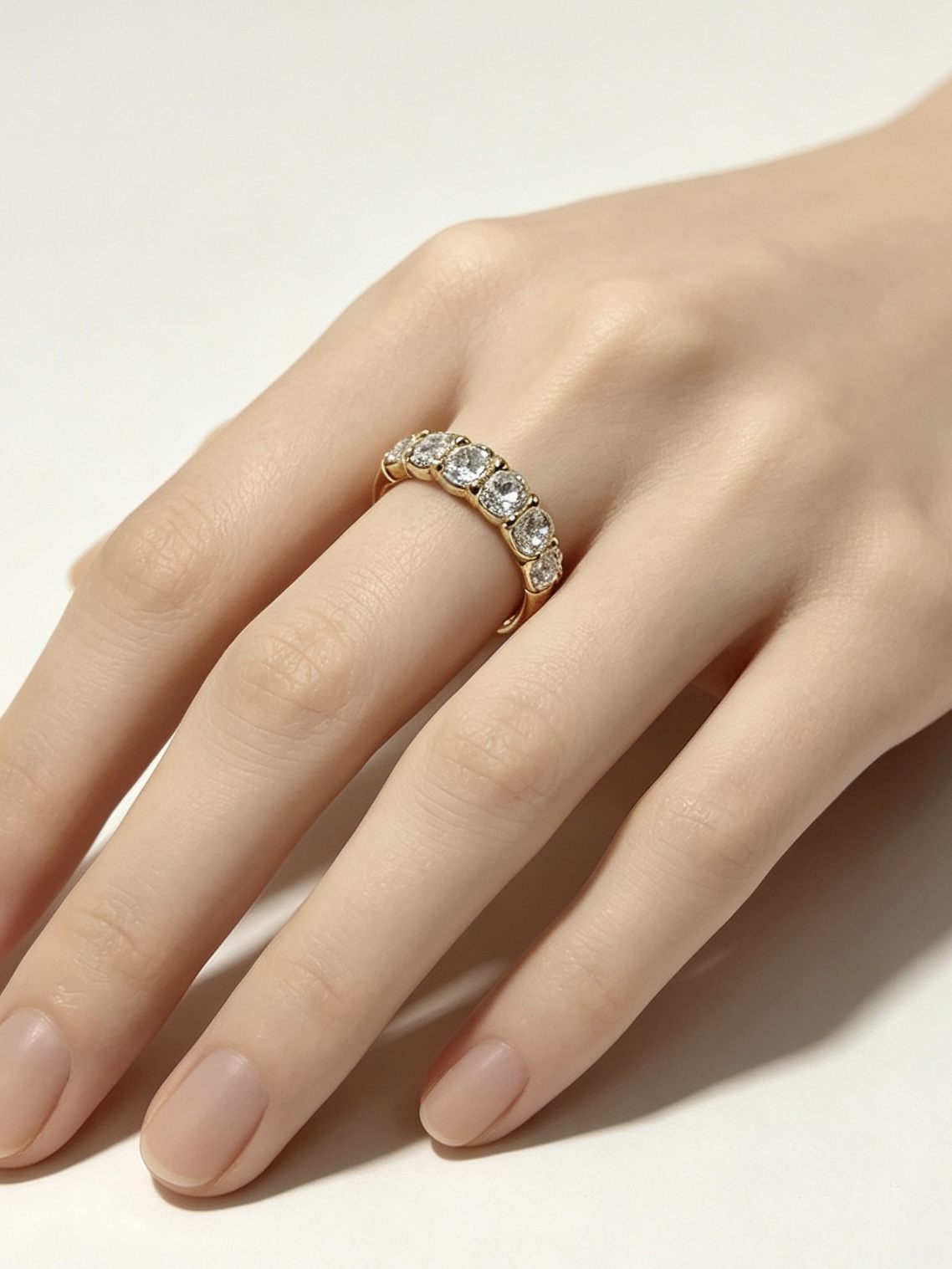
A pendant concentrates quality in one place. Everything the eye reads comes from that stone, so colour, cut and clarity decisions are visible in a way they never are in a line. A necklace spreads the same budget across many stones, and what the eye reads is consistency: whether the stones match in size and colour from one end to the other.
This is why a modest centre stone can look poor in a pendant and perfectly acceptable as one element of a line, and why an expensive stone in a badly matched line still looks wrong.
Side-by-side comparison
The table below sets out the trade-offs that matter in wear.
| Variable | Solitaire pendant | Diamond line necklace |
|---|---|---|
| Daily wear | Comfortable, rarely removed | Taken off for sport and sleep |
| Budget concentration | On one stone | Spread across matching |
| Matching requirement | None | Highest in jewellery |
| Mechanical joints | One bail | Dozens, plus the clasp |
| Sizing flexibility | Chain can be swapped | Fixed once made |
| Main failure point | Bail wear and chain stretch | Clasp and end links |
| Best first purchase | Yes, for most buyers | As a second or centrepiece piece |
Cost structure: where the money goes
The same budget produces different things in each style.
A pendant is mostly stone: setting labour is a small part of the price, and chain cost is minor unless the chain is heavy. A line is mostly stones plus a great deal of labour, because every stone is set individually and every link articulated. Labour scales with stone count rather than with weight, so a long line of small stones can cost more to make than a shorter one with larger stones.
That has a practical consequence for buyers. On a pendant, upgrading the stone improves the piece directly. On a line, spending the same money on tighter matching and better workmanship improves it more than upgrading one or two stones.
Where each style fails in real wear
Pendants fail at the bail and the chain; lines fail at the clasp and the ends.
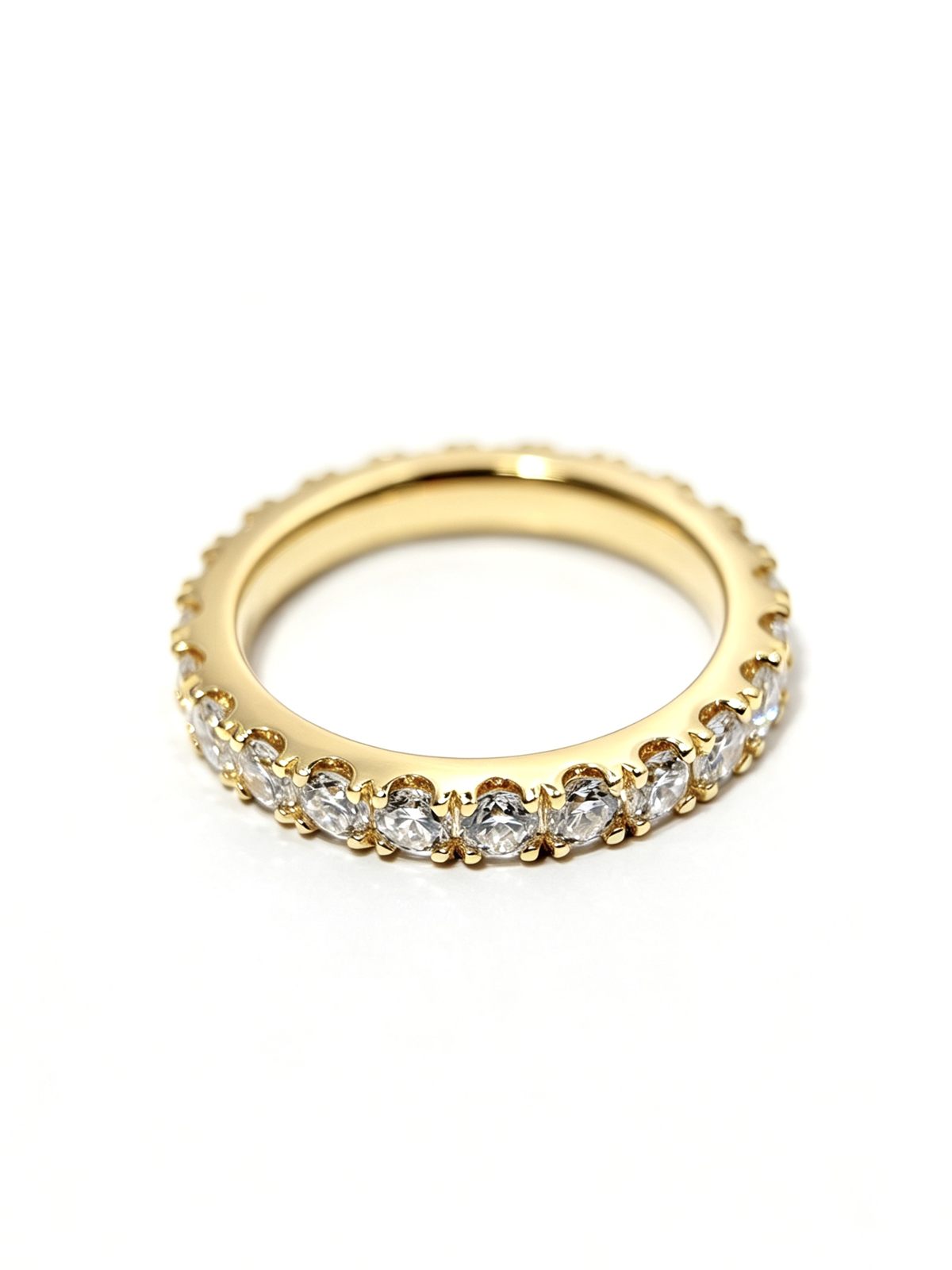
A pendant’s bail wears thin where it rubs the chain, and the chain stretches at the jump ring if the stone is heavy for the gauge. Both are slow failures that show up as a pendant hanging lower or turning over. A line fails faster and more visibly: a clasp that releases, an end link that takes the whole load, or a stiff link that transfers movement to its neighbours until one of them opens.
Both are specification problems, and both are cheaper to prevent at order stage than to repair afterwards.
Layering and pairing
If you intend to layer, the pendant is the easier piece to work with.
A pendant can be layered by changing chain length, because the chain can be swapped or re-clasped. A line is fixed, so layering it means working around a length that cannot move. A common workable pairing is a fine chain with a small pendant worn inside a longer diamond line: the pendant sits in the opening of the neckline and the line frames it.
Keep at least a visible difference in length between the two. Pieces of similar length tangle, and the heavier one should sit under the lighter one. The necklace length guide covers how to measure the resting position for each layer.
Which to buy first
For most buyers, the pendant, unless the piece is being bought for a specific occasion.
The reasoning is not about quality but about frequency: a piece worn several times a week returns more value than one worn twice a year, regardless of which costs more. Buyers who already own everyday jewellery, or who are building a piece for a wedding or a significant anniversary, have the opposite answer and should start with the line.
A useful test is to describe the last three occasions the piece would have been worn. If the answer includes ordinary days, choose the pendant.
How to spot a badly built example
Five checks that separate a well-made piece from a convincing one.
On a pendant, check that the bail is closed, polished inside and thick enough that it does not cut into the chain; check that the stone sits level rather than tipping forward. On a line, lay it flat and look for a stone that reads darker or larger than its neighbours, lift one end and watch for a stiff segment, and open and close the clasp to feel whether it engages firmly at every attempt.
Both pieces should also be checked against their documentation: the stone description and the report number for the principal stone, and the total weight, stone count and matching tolerance for a line.
FAQ
Is a pendant or a necklace better for everyday wear?
A pendant. It hangs free rather than lying against the skin, has a single mechanical joint instead of dozens, and is not sensitive to being sized to the neck. A diamond line necklace is best reserved for deliberate wear, because the prongs along a continuous run snag on clothing and the piece needs to be removed for sport and sleep.
Which is the better first lab diamond piece?
For most buyers, a solitaire pendant, because frequency of wear is what makes a piece worth owning. The exception is a purchase tied to a specific occasion or a buyer who already owns everyday jewellery, where a diamond line can be the more useful addition to the collection.
Can a diamond line necklace be shortened later?
It can, but not simply. Removing stones means rebuilding the end of the line and refitting the clasp, and lengthening it requires matching stones that may no longer be available. A pendant on a chain can be re-clasped or given a different chain far more easily, which is one practical argument for pendant designs if length may change.
Do both styles need the same care?
They need the same cleaning and different handling. Both benefit from warm water, mild soap and a soft brush, and both should be kept away from chlorinated water. The line additionally needs to be stored flat in its own compartment with the clasp closed, because coiling it presses the prongs against neighbouring settings.
Sources and further reading
- GIA 4Cs — how a single stone’s grades are assessed
- GIA — diamond grading overview
- International Gemological Institute — grading and reports
- Assay Office — precious metal standards and hallmarking
- CIBJO Blue Books — jewellery and diamond terminology
- International Gem Society — setting and construction reference
Next step: Tell us whether the piece is for daily wear or an occasion, and what stone size you are considering, and we will specify the construction — bail, chain gauge, clasp class and setting type — to match how it will actually be worn. Ready-stock pendants ship in days and OEM programmes are quoted per parcel. Contact vinico@zkzdiamonds.com or WhatsApp +86 135 3037 8229.
Part of our sterling silver necklaces and pendants guide.
Recommended
 Does a lab-grown diamond need Kimberley Process paperwork when shipped?Lab Grown Diamond Guide
 Is it better to buy a loose lab-grown diamond and set it, or buy finished jewelry?Lab Grown Diamond Guide
 Is Lab Grown Diamond Jewelry a Good Investment?Buying Guides
 What is a “hearts and arrows” cut, and is it available in lab-grown stones?Lab Grown DiamondsDoes a lab-grown diamond need an appraisal, and what does one include?Lab Grown Diamonds
 Custom Lab Grown Diamond Jewelry: A Step-by-Step GuideCustom Jewelry