What Are Lab Grown Diamonds? A Plain-English Explanation
925 sterling silver jewellery, set with lab grown diamonds and made in our own Shenzhen workshop.
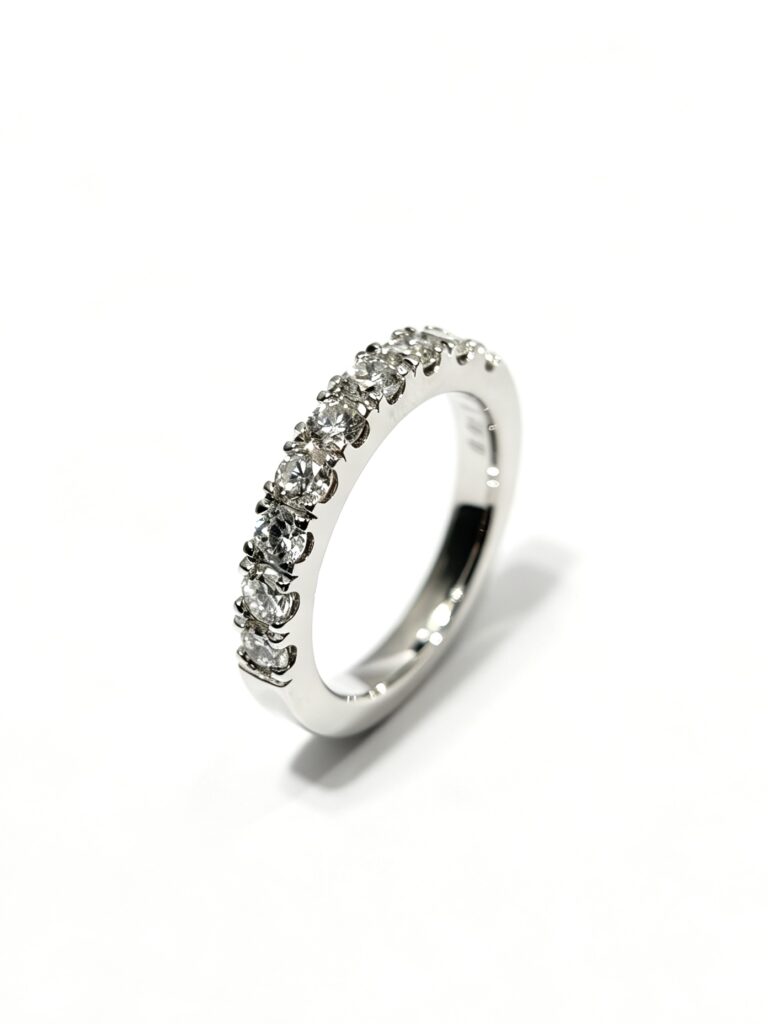
The expensive mistake in a lab grown diamond purchase is rarely paying too much for the stone. It is buying a stone whose grading report does not actually state what the seller described: an origin claim, a colour grade that was never assessed, a treatment that was not disclosed, or a stone that is not a diamond at all. Most of those problems are visible in paperwork before any money moves, which is why the plain-English explanation is worth reading past the first paragraph. This page covers what the term means, how the stones are grown, what a report confirms, and where the confusion comes from.
Last updated:
Are lab grown diamonds real diamonds?
Yes. They are diamonds, grown in a controlled facility instead of mined from the ground.
A diamond is carbon crystallised in a particular cubic structure, and that structure is what produces the hardness of 10 on the Mohs scale, the thermal conductivity that gem testers measure, and the way light behaves inside the stone. A lab grown diamond has the same crystal structure, the same chemical composition and the same optical properties as a mined diamond, which is why standard diamond testers cannot separate the two on the basis of physical or optical response.
What differs is origin, growth history and price formation. Those three differences are real and commercially important, but they are not differences in what the material is.
What the phrase “lab grown” does and does not tell you
It tells you where the crystal formed. It tells you nothing else.
The phrase says nothing about colour, clarity, cut quality, carat weight, growth method or treatment. A lab grown diamond can be a poorly proportioned, heavily included stone, and it can be an excellently cut one; the label covers the same range as the mined category. That is why a report matters more than the origin wording on a product page.
In trade and regulatory terminology the same material appears as lab grown, laboratory grown, lab created, laboratory created, synthetic and man made. “Synthetic” is the technically accurate term for the origin and is used by standards bodies, but it reads as fake to consumers, which is why retail language has drifted away from it. Two sellers can describe the same stone with different words and both be accurate.
Two growth routes: CVD and HPHT
Almost every lab grown diamond on the market comes from one of two processes.
CVD, chemical vapour deposition, grows a crystal from carbon-rich gas onto a thin diamond seed plate inside a vacuum chamber. The crystal grows layer by layer and typically comes out as a rough plate. HPHT, high pressure high temperature, reproduces the conditions of natural diamond formation by dissolving carbon in a metal flux at high temperature and pressure and crystallising it onto a seed.
Both routes produce genuine diamond. The processes differ in growth time, equipment, achievable colour ranges and the internal features they tend to leave behind, and those features are what a grading laboratory looks at when it identifies the growth method. For a buyer, the practical question is not which process is better in the abstract but whether the growth method is disclosed and consistent with the report.
Why two stones with the same grades can differ in price
Because the grades summarise a range, not a point.
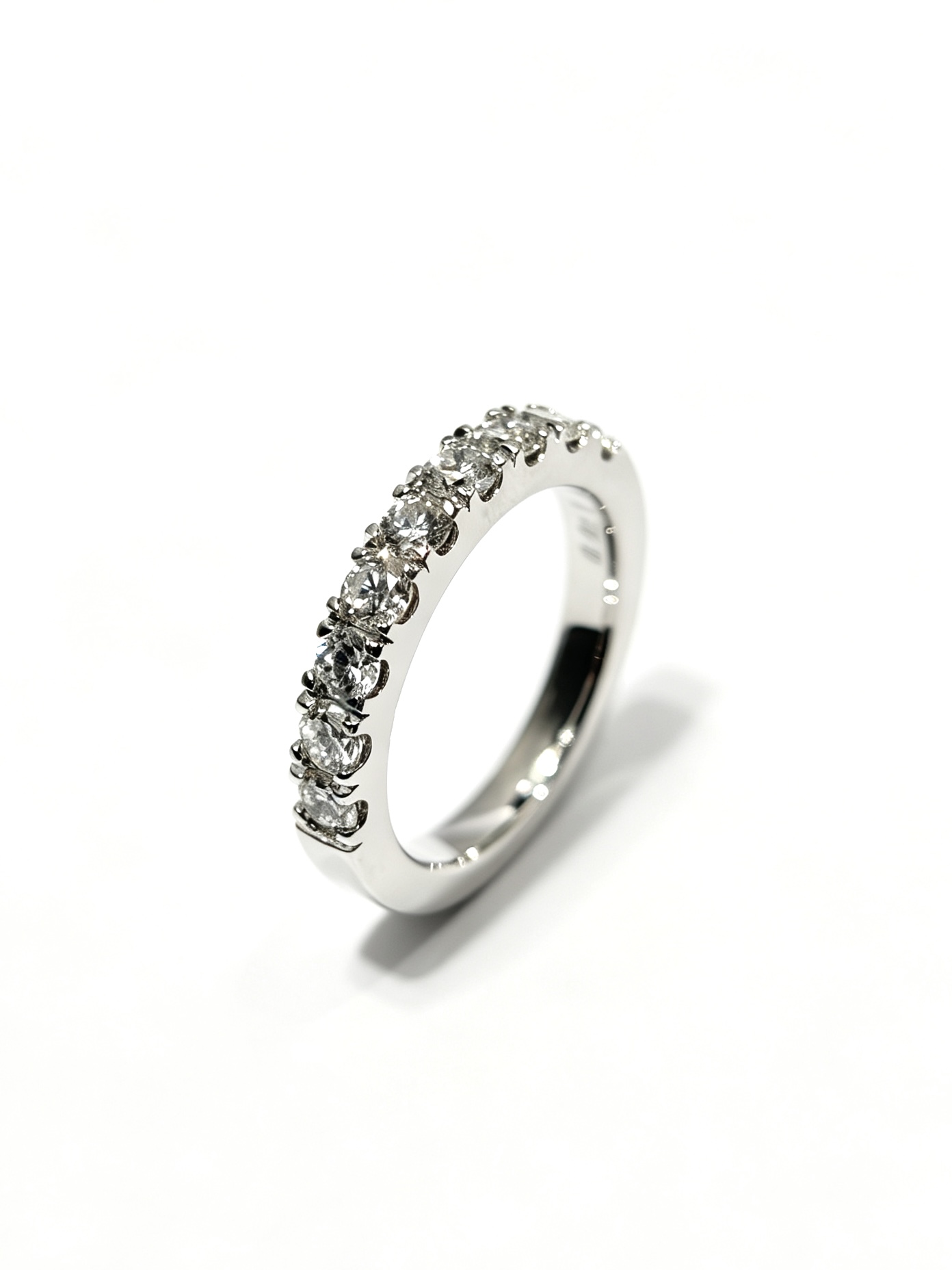
Two stones graded D colour and VS1 clarity can differ in proportion, in the size of the inclusions relative to the stone, in fluorescence, in cut precision and in where the inclusions sit. Inclusions under the table are more visible than the same inclusions near the girdle. A stone with excellent proportions returns more light than an average one of the same grade. None of that appears in the headline grade.
The market also prices origin, provenance and supply differently, so identical grades from two suppliers can sit far apart. That is normal, and it is why comparing quotes on grade alone is unreliable.
The 4Cs without the jargon
Cut, colour, clarity and carat: what each one actually changes.
Cut is about proportion and symmetry, and it decides how much light comes back out of the stone. Colour runs on a scale from D, colourless, downwards; the lower the letter the more body colour the stone has. Clarity records how visible the internal features are, from flawless down through very slightly included and beyond. Carat is weight, not size, and two stones of the same weight can look different because density and proportion differ.
Cut is the one factor that can be optimised without paying for rarity, which is why it is worth spending attention there before chasing a colour upgrade.
Certification and what to verify
A report from a recognised laboratory, and a report number you can check yourself.
The report should state that the stone is lab grown, give the growth method where the laboratory identifies it, and list the measurements, proportions, polish, symmetry, fluorescence and any treatments. Independent grading bodies publish online verification, so the buyer’s real check is to take the report number and confirm it matches the stone and the description.
Two things cause most disputes: a report that does not mention a treatment that the stone has received, and a marketing claim about origin or method that the report does not support. Both are avoided by reading the document rather than the listing.
What lab grown diamonds are not
Moissanite, cubic zirconia and glass are different materials, not different origins.
Moissanite is silicon carbide and shows a different optical character, including doubling of facets visible under magnification. Cubic zirconia is a synthetic oxide, softer than diamond, and it dulls faster in wear. Glass and composite assemblies are cheaper again. All of them can look bright in a photograph and none of them are diamond, whereas a lab grown diamond is diamond in every physical sense except origin.
For buyers, the practical rule is that the material name belongs in the product description and the stone identity belongs in the report. If a listing mixes the two, ask for the report.
Where the “man made” wording causes problems
Mainly in returns, in customs paperwork and in search.
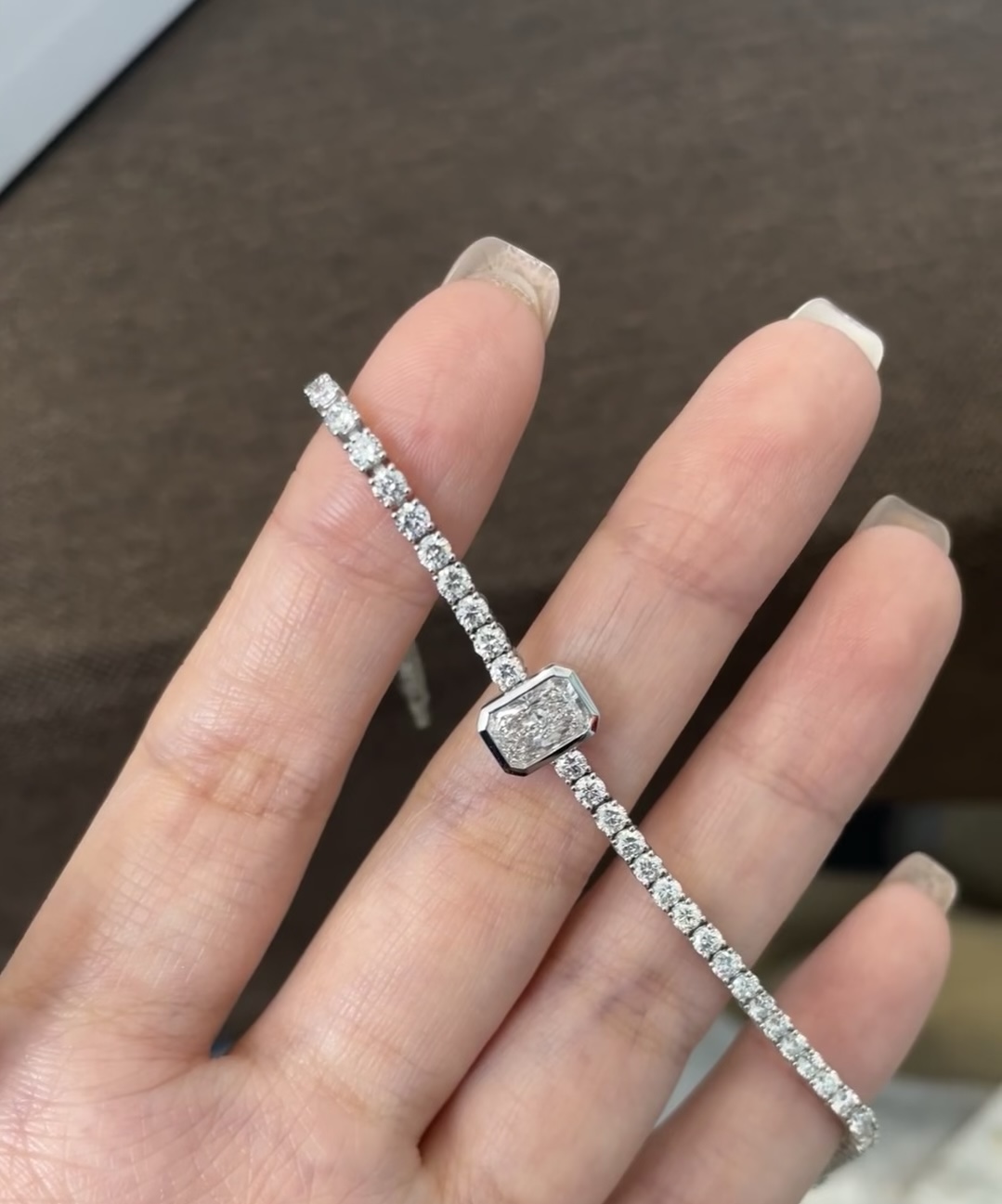
Because the terminology is not standardised across markets, the same stone can be described as lab grown on one document and synthetic on another. That mismatch is usually harmless, but it becomes a problem when a customer receives a stone described differently from the listing they bought, or when a shipment’s description does not match the customs classification used by the exporter.
For brands buying at volume, the fix is simple: agree one vocabulary with the supplier and use it in the purchase order, the invoice and the product page.
Colour, clarity and post-growth treatment
Treatment is legitimate; non-disclosure is not.
Some lab grown stones are treated after growth to change or improve colour, for example through annealing. This is accepted practice in the trade provided it is disclosed, and reputable grading reports state treatment status. The buyer’s risk is a treated stone presented as untreated, which affects both value and what can be claimed about the stone later.
Ask directly whether the parcel contains treated stones and how they are marked in the paperwork.
What buyers usually overpay for
Rarity language that the supply does not support, and tiny grade steps.
Lab grown supply is not constrained the way mined supply is, so premium language borrowed from the mined market often does not hold. The second common overpay is the step from one colour or clarity grade to the next, which is frequently invisible in a set stone but priced as though it were visible on the hand.
Spending the same money on cut quality and on setting quality usually produces a better-looking finished piece. If the piece is set in silver rather than gold, the lab grown diamond earrings in silver checklist covers the extra checks that apply to that combination.
How a manufacturer actually handles a parcel
Selection, matching, grading and setting are separate steps with separate tolerances.
At manufacturing level, stones are checked for identity and measured, then matched for colour and size across a parcel so that a finished piece does not show a visible mismatch between neighbouring stones. Matching matters more than any single stone’s grade, because the eye notices difference rather than absolute quality. After setting, the piece is cleaned and inspected against the specification before dispatch.
That sequence is what a buyer should ask about when placing a repeat order: how matching is controlled, and what happens to a stone that does not match the parcel.
FAQ
Are lab grown diamonds worth less than natural diamonds?
They cost less to buy, and they generally resell for a smaller share of their purchase price. The gap comes from supply and from how the second-hand market is organised, not from any difference in the material. For a buyer choosing on appearance and budget rather than resale, the two categories compete on price and convenience.
How can I tell a lab grown diamond from a natural one?
Not with a handheld tester, because both are diamond and respond the same way. Separation is done in a laboratory using spectroscopy and imaging that reveal growth patterns and trace elements. For a buyer, the practical test is the grading report and its verifiable number, not an instrument.
Is a lab grown diamond the same as moissanite?
No. Moissanite is silicon carbide, a different material with different optical behaviour and lower hardness. A lab grown diamond is carbon crystallised in the diamond structure and is identical to a mined diamond in composition and physical properties. The two are separated by material, not by origin.
Does a lab grown diamond need a certificate?
For any stone sold individually, a report from a recognised laboratory is the practical minimum, because it confirms identity, measurements, grades and treatment status in a form the buyer can verify online. For very small melee stones sold as part of a finished piece, parcel-level grading is common instead, and the disclosure moves to the product documentation.
Sources and further reading
- GIA 4Cs — how cut, colour, clarity and carat are defined
- GIA Gem Encyclopedia — diamond properties and terminology
- GIA Report Check — verify a grading report number
- International Gemological Institute — diamond grading and reports
- CIBJO Blue Books — international gemstone and precious metal nomenclature
- Kimberley Process — rough diamond trade framework
Next step: If you are sourcing lab grown diamonds for a programme, send the specification you need — shape, size range, colour and clarity band, and the report type you require — and we will return matched parcels with the documentation each stone carries. Loose stones and finished pieces are both supplied OEM/ODM. Contact vinico@zkzdiamonds.com or WhatsApp +86 135 3037 8229.
Part of our lab grown diamond jewelry guide.
Recommended
 Does a lab-grown diamond need Kimberley Process paperwork when shipped?Lab Grown Diamond Guide
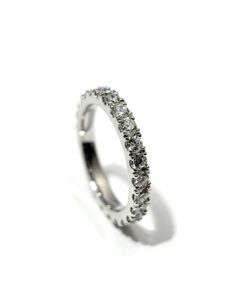 Is it better to buy a loose lab-grown diamond and set it, or buy finished jewelry?Lab Grown Diamond Guide
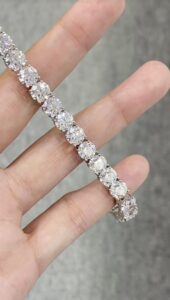 Is Lab Grown Diamond Jewelry a Good Investment?Buying Guides
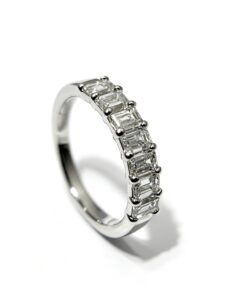 What is a “hearts and arrows” cut, and is it available in lab-grown stones?Lab Grown DiamondsDoes a lab-grown diamond need an appraisal, and what does one include?Lab Grown Diamonds
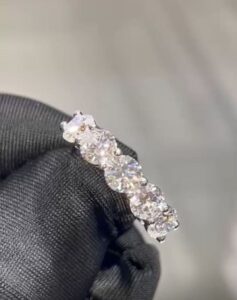 Custom Lab Grown Diamond Jewelry: A Step-by-Step GuideCustom Jewelry