Custom Lab Grown Diamond Jewelry: A Step-by-Step Guide
925 sterling silver jewellery, set with lab grown diamonds and made in our own Shenzhen workshop.
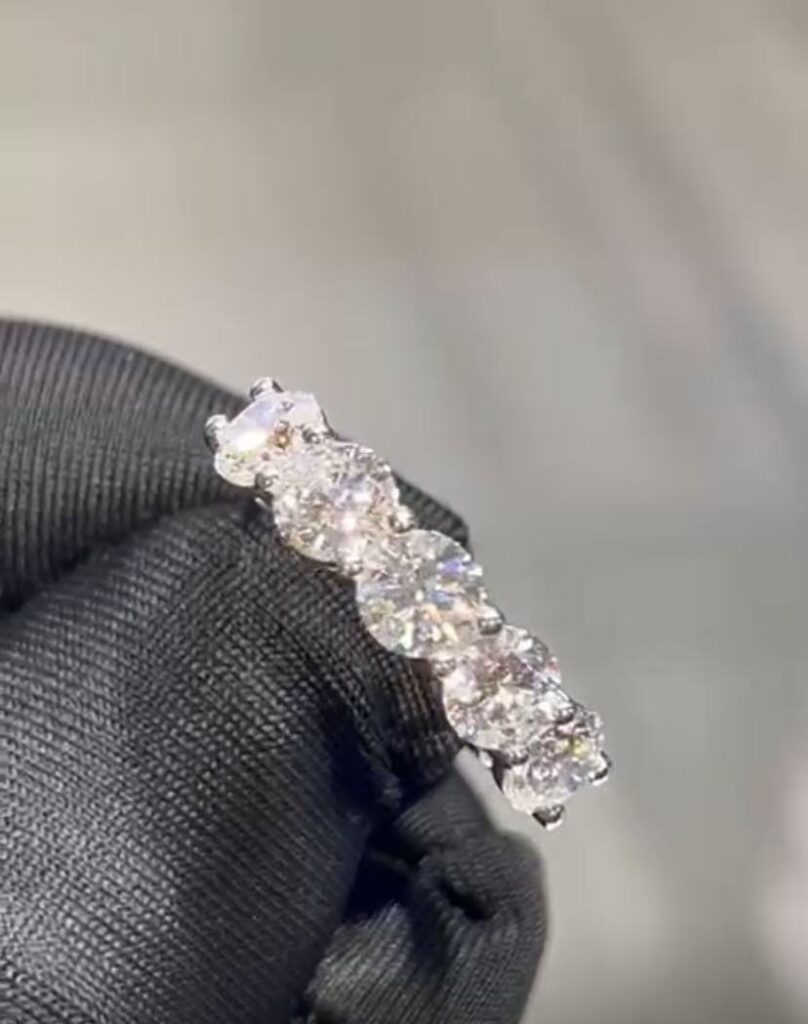
Two custom orders can start with identical budgets and identical enthusiasm and end very differently, depending on which was decided first. In one, the centre stone was selected before the design, and the setting had to be built around proportions that were already fixed. In the other, the design was settled first, and the stone had to be found inside a narrow size and shape window — which took three weeks and cost more. The sequence determines how much flexibility remains at each stage, and in custom lab diamond work flexibility is the thing that saves money.
What should you decide first?
The piece first, if the design matters; the stone first, if the stone matters. Both work, and each constrains the other.
Starting from the design fixes the proportions, the setting type and the stone size window, and then the search is for a stone that fits — which is efficient when the design is distinctive and the client is flexible on grade. Starting from the stone fixes the proportions, and the design is then built around the stone’s spread and depth, which is efficient when the stone is the point of the purchase — an heirloom reset, or a specific shape or colour the client wants.
What causes problems is deciding neither, and beginning with a picture of a finished piece and an expectation that a stone will be found to match it exactly at a price.
The order of decisions
Six steps, each narrowing the next.
| Step | Decision | What it constrains |
|---|---|---|
| 1 | Piece type and how it will be worn | Construction, metal, durability requirements |
| 2 | Face-up size target in millimetres | Stone search window |
| 3 | Shape and cut family | Setting options and protection needs |
| 4 | Colour and clarity bands | Price and matching feasibility |
| 5 | Metal, finish and setting type | Tooling, labour and maintenance |
| 6 | Documentation and delivery | What accompanies the finished piece |
Sourcing a stone to a design
The window is set by the design, and widening it a little usually saves a lot.
A design specifies a stone size, and the practical search window is a range around it — say plus or minus a small fraction of a millimetre on the spread. Within that window, stones differ in proportion, colour, clarity and price. Widening the acceptable colour or clarity band by one step typically opens up considerably more availability and lowers the price, while changing almost nothing about how the finished piece looks.
Shape is the least flexible variable, because it drives the setting and the outline the client has already approved. If a specific shape is required, it should be named at step three rather than discovered later, since sourcing a specific shape in a specific size range is the most time-consuming part of a custom order. The comparison of what each shape delivers, in spread and light behaviour, is set out in our guide to lab grown diamond engagement rings.
Tooling, minimums and what they cost
A one-off piece and a repeat programme are economically different, and the difference is tooling.
If the design can be built from an existing mould, the first piece costs roughly the same as the tenth. If it requires a new mould, that tooling cost is carried by the first order alone, which is why the same design is materially cheaper on the second run. For a single custom piece, a design that adapts an existing form costs less than one that requires a new one, and clients who understand this can often get what they want with a smaller change than they first imagined.
For a brand considering a programme, the sensible sequence is to prototype one piece, validate it in the market, and then order against the same tooling rather than starting a new design for each style.
Budget in a custom order
Four lines, and the order in which they should be set.
The stone first, as a range rather than a point. Then metal, where the alloy and the piece’s weight determine the cost. Then labour, which scales with the number of stones set and the complexity of the finish. Then tooling, if the design is new. Allocating in that order prevents the most common custom problem, which is a design approved before anyone has priced the stone that fits it.
For a brand rather than an individual, the same logic applies with volume in place of a single piece, and the cost structure behind the stone line is set out in our guide to the custom design process.
Documentation for a custom piece
What should leave the workshop with the order.
For the stone, a grading report stating origin and treatment where the stone is sold individually, and a parcel specification where melee is used in a line. For the piece, the metal specification with its hallmark, the plating status, the stone count and size range, and the finished dimensions. For the order as a whole, a specification sheet that matches what was approved at the sample stage.
Custom work is where documentation matters most, because there is no stock reference to compare against later and no second identical piece to check against.
Timeline, and where it slips
Four stages, and one of them is usually the client’s.
Design and CAD takes days if the brief is complete. Stone sourcing is variable, and is the longest stage when a specific shape and size is required. Production depends on tooling and setting complexity. Inspection and documentation is short. The stage that most often slips is CAD approval, because it sits between two others and depends on a decision from the client rather than on work at the bench.
The practical advice is to treat the CAD approval as the deadline that matters, and to respond to it within a day or two.
Repeat orders and programmes
Custom work becomes considerably more efficient the second time.
Tooling is already paid, the specification is already written, and the matching tolerance is already established, which makes a repeat order faster and cheaper than the first. For brands, that means the second and third pieces in a style are where the margin appears, and it argues for designing a small number of styles properly rather than a large number once.
Our own programmes keep the tooling and the specification reference on file, so a reorder is placed against a reference rather than re-designed. Ready-stock options for faster programmes are covered on our ready-stock silver page.
FAQ
How do I order custom lab diamond jewelry?
Decide the sequence first: piece type, face-up size in millimetres, shape, colour and clarity bands, then metal, finish and setting. Approve a CAD model and a production-standard sample. Sourcing the stone is the most variable stage, so naming the shape early shortens it.
What does custom lab diamond jewelry cost?
Four lines: the stone, the metal, the labour for setting and finishing, and tooling if the design needs a new mould. Tooling is carried by the first order alone, which is why the second identical piece costs less. Set the stone budget as a range before approving a design.
Should I choose the stone or the design first?
Choose the design first if the look matters most, then source a stone to its size window. Choose the stone first if the stone is the point of the purchase, such as resetting an heirloom, and build the design around its spread and depth. Deciding neither in advance is what makes a custom order expensive.
Why is the second identical piece cheaper?
Because the tooling is already made, the specification is already written and the matching tolerance is established. The first order carries the design and mould cost. For brands this means the margin in a custom style appears on the second and third pieces rather than the first.
Sources and further reading
- GIA 4Cs — the grading factors a custom specification refers to
- GIA Report Check — verifying a stone’s documentation
- International Gemological Institute — grading and report formats
- Assay Office — hallmarking for custom pieces
- CIBJO Blue Books — terminology and disclosure
- The Silver Institute — metal properties for design decisions
Next step: Tell us the piece, the face-up size you want and whether the stone or the design is fixed, and we will come back with a stone window, a design proposal, the tooling position and a specification sheet before anything is produced. Custom, OEM and private-label programmes are all available. Contact vinico@zkzdiamonds.com or WhatsApp +86 135 3037 8229.
{“@context”:”https://schema.org”,”@type”:”FAQPage”,”mainEntity”:[{“@type”:”Question”,”name”:”How do I order custom lab diamond jewelry?”,”acceptedAnswer”:{“@type”:”Answer”,”text”:”Decide the sequence first: piece type, face-up size in millimetres, shape, colour and clarity bands, then metal, finish and setting. Approve a CAD model and a production-standard sample. Sourcing the stone is the most variable stage, so naming the shape early shortens it.”}},{“@type”:”Question”,”name”:”What does custom lab diamond jewelry cost?”,”acceptedAnswer”:{“@type”:”Answer”,”text”:”Four lines: the stone, the metal, the labour for setting and finishing, and tooling if the design needs a new mould. Tooling is carried by the first order alone, which is why the second identical piece costs less. Set the stone budget as a range before approving a design.”}},{“@type”:”Question”,”name”:”Should I choose the stone or the design first?”,”acceptedAnswer”:{“@type”:”Answer”,”text”:”Choose the design first if the look matters most, then source a stone to its size window. Choose the stone first if the stone is the point of the purchase, such as resetting an heirloom, and build the design around its spread and depth. Deciding neither in advance is what makes a custom order expensive.”}},{“@type”:”Question”,”name”:”Why is the second identical piece cheaper?”,”acceptedAnswer”:{“@type”:”Answer”,”text”:”Because the tooling is already made, the specification is already written and the matching tolerance is established. The first order carries the design and mould cost. For brands this means the margin in a custom style appears on the second and third pieces rather than the first.”}}]}
Part of our custom jewelry guide.
Recommended
 Does a lab-grown diamond need Kimberley Process paperwork when shipped?Lab Grown Diamond Guide
 Is it better to buy a loose lab-grown diamond and set it, or buy finished jewelry?Lab Grown Diamond Guide
 How do I design packaging that protects chains and earrings in transit?Custom Jewelry
 Is Lab Grown Diamond Jewelry a Good Investment?Buying Guides
 How do I vet a jewelry factory before placing a first order?Custom Jewelry
 What should a shipping policy for jewelry say?Custom Jewelry