Lab Grown vs Natural Diamonds: Price, Quality and Resale
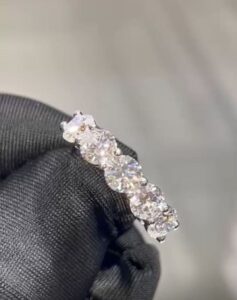
925 sterling silver jewellery, set with lab grown diamonds and made in our own Shenzhen workshop.
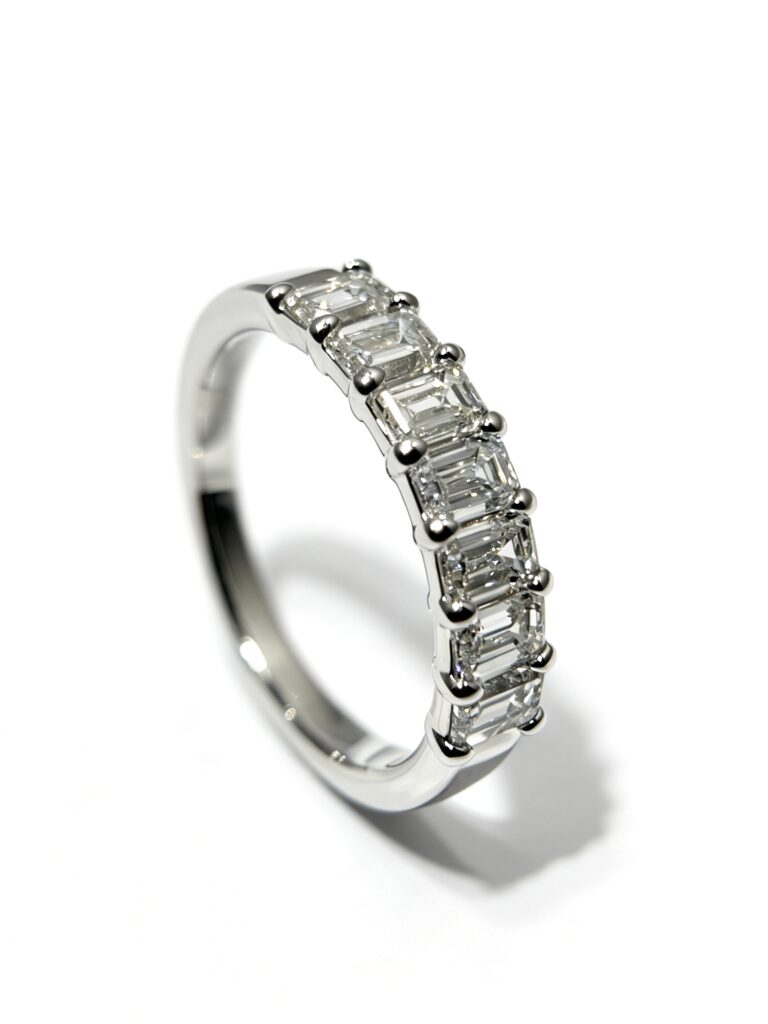
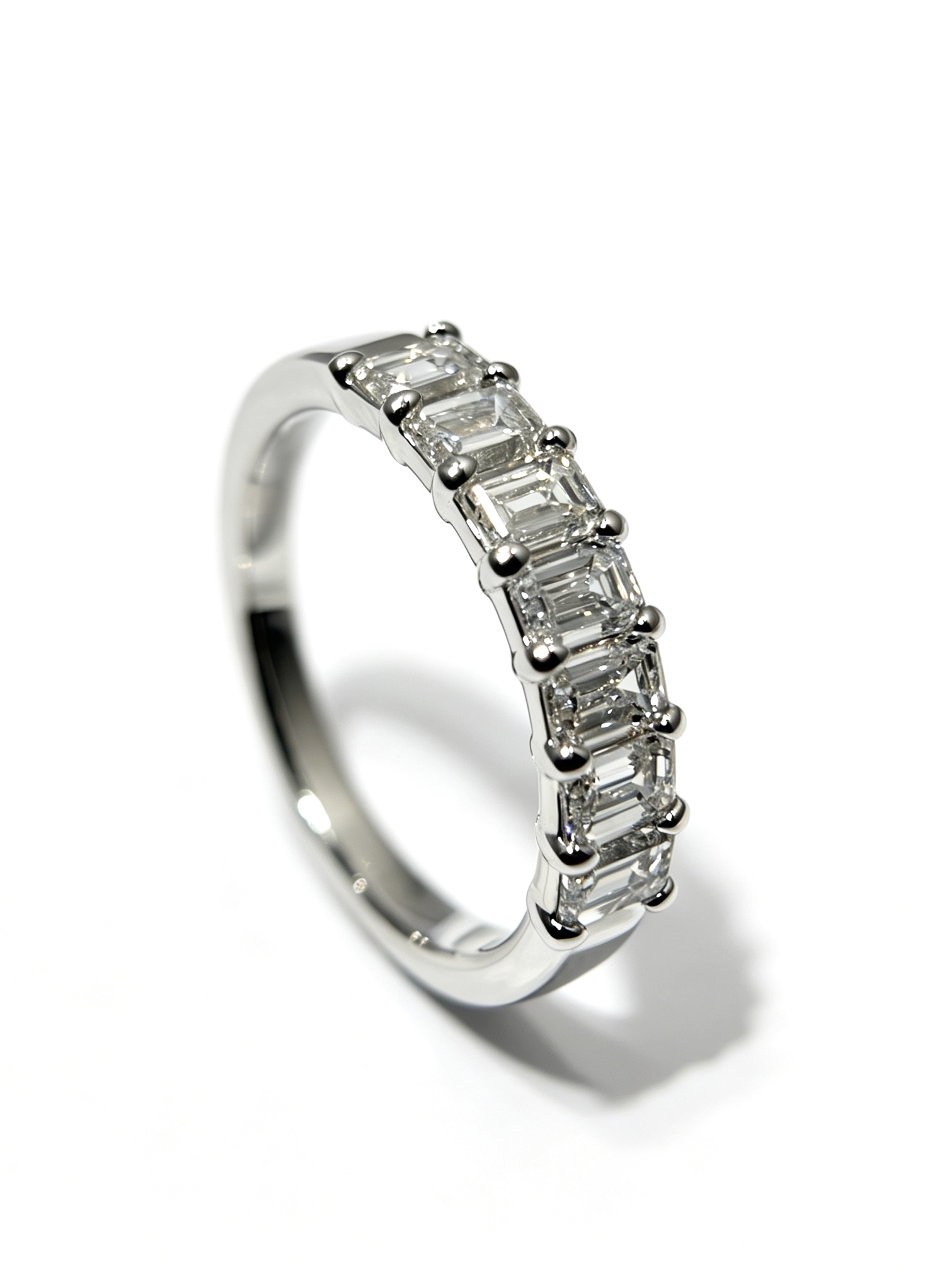
Put a lab grown and a natural diamond of the same weight, colour and clarity side by side under a loupe and a gemmologist cannot separate them by eye. Put their price histories side by side and they separate immediately. That single sentence contains the whole comparison: the material is the same, the market around it is not. Buyers who treat price difference as the only variable miss the parts that decide whether a purchase looks sensible five years later, and those parts are predictable rather than mysterious.
Last updated:
Do lab grown diamonds hold their value?
Less reliably than natural stones, because supply is not constrained in the same way.
Resale value depends on a second-hand market that is willing to buy back at a known price. Mined diamonds have a long-established, if imperfect, channel for that. Lab grown diamonds are produced on demand, which means the price of new stones falls as production efficiency improves and capacity grows, and a used stone has to compete with new supply rather than against a fixed natural endowment.
The practical consequence for a buyer is that a lab grown stone is better understood as a purchase than as a store of value. If resale matters, it should be modelled before the purchase rather than assumed after it.
What is identical: material, grading and testing
Composition, crystal structure, hardness and optical behaviour.
Both are carbon in the diamond cubic structure, both measure 10 on the Mohs scale, both conduct heat the way diamond does, and both are graded on the same scales for colour, clarity and cut. Standard thermal and electrical testers return the same response for each, which is why the separation of origin is a laboratory task.
Grading reports for the two categories use the same grade definitions. The difference in the paperwork is the origin statement, not the grading vocabulary.
What differs: origin, supply and the resale channel
Three structural differences that flow into price.
Origin is a fact about history. Supply is a fact about production: mined output is geologically limited and slow to expand, while lab production responds to capital and equipment. The resale channel is a market fact that follows from both. Everything else in the price conversation — colour rarity, cut premium, certification cost, setting cost — exists in both categories and can be compared like for like.
Side-by-side comparison
The table below compares the two categories on the variables a buyer actually faces.
| Variable | Lab grown | Natural |
|---|---|---|
| Material and hardness | Diamond, Mohs 10 | Diamond, Mohs 10 |
| Grading scales | Same 4C scales | Same 4C scales |
| Purchase price for comparable grades | Substantially lower | Higher |
| Supply flexibility | Expands with production capacity | Geologically limited |
| Resale market | Thin and price-sensitive | Established but discounting |
| Origin disclosure | Required on the report | Requires provenance documentation |
| Certification | Widely available at moderate cost | Widely available |
| Best fit | Wear, design and volume programmes | Rarity-led and resale-led purchases |
Why resale differs when the stones do not
Because resale is a market, not a property of the object.
A stone resells for what a buyer will pay for it, and that depends on the alternatives that buyer has. Someone looking at a used natural diamond competes against a limited supply of new natural stones. Someone looking at a used lab grown diamond competes against new lab grown stones whose price is set by current production cost. The stone does not change; the reference point does.
This is also why trade-in programmes matter more than headline resale percentages. A supplier that accepts trade-ins against future orders creates a floor that the open market may not.
The “worth it” question depends on the holding period
Short holding, lab grown usually wins; indefinite holding for value, natural has the stronger case.
If the piece is worn rather than traded, the relevant calculation is cost per year of wear. A stone bought for a fraction of the natural price and worn for a decade can be the cheaper decision even with zero resale. If the intent is to hold value across decades, the natural market has the longer institutional history, along with its own well-documented pricing risk.
Neither answer is universal, which is why the honest version of the question is: held for how long, and sold to whom.
Where natural stones still make sense
Rarity-led categories and provenance-driven purchases.
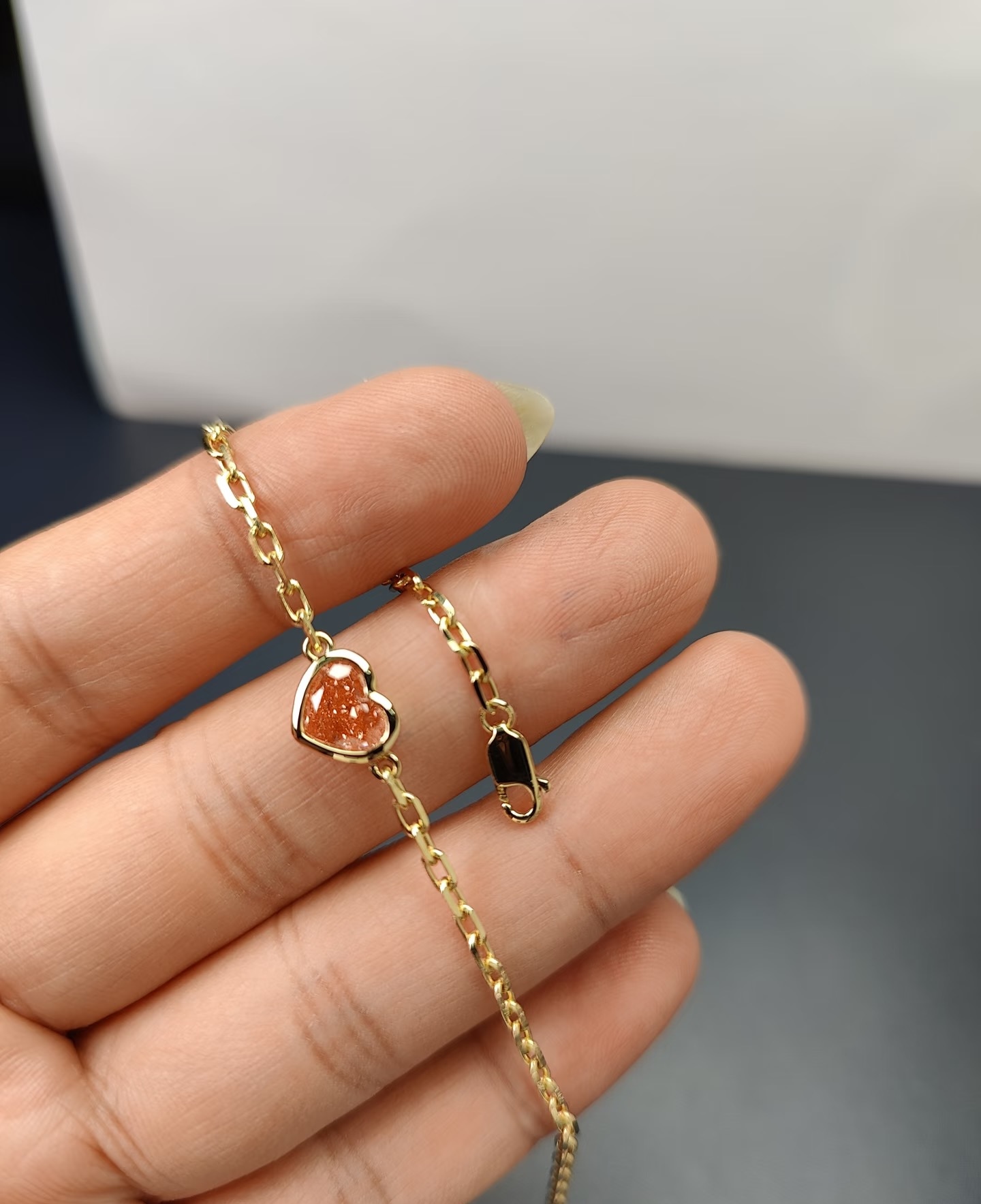
Large stones with unusual colour saturation, historic provenance and specific origin stories occupy a segment that lab production does not address. Buyers collecting within that segment are not comparing on appearance alone, and the price they pay reflects scarcity rather than optics. Where the purchase is about the story rather than the look, the natural category is still the relevant one.
Where lab grown clearly wins for a brand
Repeat programmes, size flexibility and design range.
For a jewellery brand, the strongest argument for lab grown is not price but consistency: matching parcels in repeatable colour and size bands, restocking the same specification on a production schedule, and offering larger looks at price points the customer will actually buy. A brand can build a coherent collection around capacities that mined supply makes unpredictable.
That is a manufacturing advantage, and it is the argument most relevant to OEM and private-label programmes. It is also why the same stones suit a gift-led necklace and a volume programme equally well, even though the two are bought on different criteria.
How to compare quotes fairly
Compare specification to specification, and ask what the price includes.
Confirm that both quotes reference the same grades, the same report type, the same measurement tolerance and the same finish. Then confirm what sits outside the price: certification, setting labour, metal, packaging and shipping. A lower stone price with a certificate charged separately is not a lower price.
The third check is matching. A quote for a parcel should state the tolerance within which stones are matched, because that tolerance determines how many stones in the parcel are usable in a single piece.
FAQ
Is it worth buying a lab grown diamond?
If the priority is appearance, size and budget rather than resale, yes, because the material is identical and the price is lower. Model it as a purchase rather than an investment: compare cost per year of wear, and treat any resale as a bonus rather than a plan.
Can a jeweller tell a lab grown diamond from a natural one?
Not with a standard tester, because both respond to thermal and electrical testing as diamond. Separation requires laboratory instruments that read growth patterns and trace elements, which is why the origin is established by a grading report rather than at the counter.
Do lab grown diamonds get cloudy over time?
No. Neither lab grown nor natural diamonds cloud with age. What changes is surface cleanliness: skin oils, soap residue and cosmetics build a film on the pavilion, and that film reduces brilliance. Professional cleaning or a warm soapy soak with a soft brush restores the original appearance.
Why are lab grown diamonds cheaper if they are the same material?
Because price follows supply rather than chemistry. Production capacity can be expanded with equipment, so the cost of producing a new stone falls as the industry scales, and the used market has to compete against that new supply. Mined supply cannot be expanded on demand, which supports its price independently of appearance.
Sources and further reading
- GIA — diamond description and grading overview
- GIA — diamond grading scales for colour, clarity and cut
- Gems & Gemology — research on natural and laboratory-grown diamonds
- International Gemological Institute — laboratory grading and reports
- IDEX Online — diamond trade news and market data
- CIBJO Blue Books — terminology for diamond origin and disclosure
Next step: Tell us the programme you are building — size bands, colour and clarity targets, report type and volume — and we will quote both categories against the same specification so the comparison is like for like. OEM/ODM, private label and ready-stock programmes are all available. Reach us at vinico@zkzdiamonds.com or WhatsApp +86 135 3037 8229.
Part of our lab grown diamond jewelry guide.
Recommended
 Does a lab-grown diamond need Kimberley Process paperwork when shipped?Lab Grown Diamond Guide
 Is it better to buy a loose lab-grown diamond and set it, or buy finished jewelry?Lab Grown Diamond Guide
 Is Lab Grown Diamond Jewelry a Good Investment?Buying Guides
 What is a “hearts and arrows” cut, and is it available in lab-grown stones?Lab Grown DiamondsDoes a lab-grown diamond need an appraisal, and what does one include?Lab Grown Diamonds
 Custom Lab Grown Diamond Jewelry: A Step-by-Step GuideCustom Jewelry