Jewelry Manufacturing Lead Time and Approval Stages
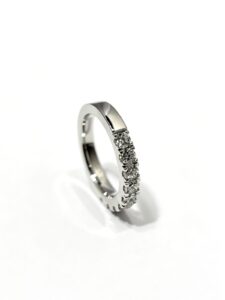
925 sterling silver jewellery, set with lab grown diamonds and made in our own Shenzhen workshop.
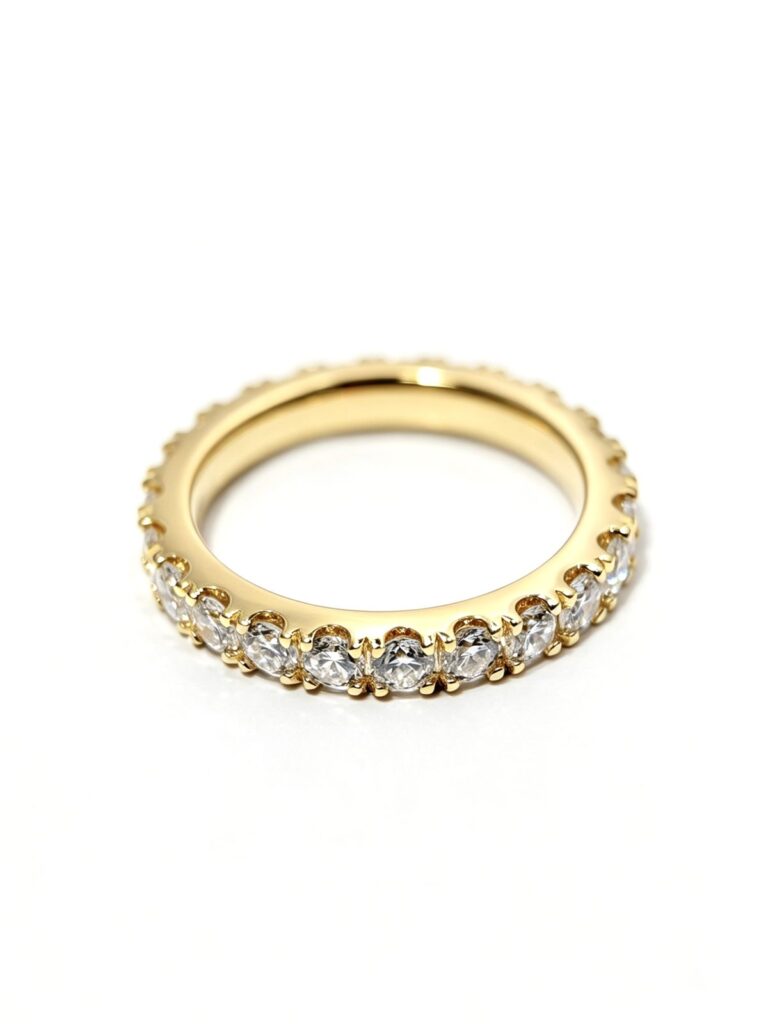
Jewelry manufacturing lead time is the sum of several approvals, not a single factory countdown. A project moves through the brief, CAD, sample, material confirmation, production, inspection and packing. Time lost between decisions can be as important as time spent at the bench.
Last updated:
Working checklist
| Control point | Decision or evidence |
|---|---|
| Brief approved | Commercial target and fixed design requirements |
| CAD approved | Geometry, dimensions and stone layout |
| Sample approved | Wear, function, finish and markings |
| Production released | Quantity, materials and packaging frozen |
| Shipment released | Inspection record and packing list closed |
Start with a complete brief
The clock cannot be meaningful until the manufacturer knows the category, metal, stones, size range, finish, quantity and destination market. References without measurements create an estimate with hidden assumptions. Mark the elements that are fixed and the ones the workshop may adapt, then record who can approve changes.
Separate development from repeat production
A new design needs CAD and a physical sample. A genuine reorder may reuse approved records, but only if the stone schedule, construction, finish and packaging remain the same. Ask the quotation to identify development stages separately so a sample delay is not confused with production capacity.
Put decision time into the schedule
When CAD or a sample arrives, review it against one consolidated comment list. Multiple reviewers replying separately create conflicting revisions. Give one approver authority to close each gate and include the buyer review window in the plan rather than treating it as free time.
Freeze variables before production
Late changes to stone size, plating colour, ring size mix or packaging can reopen sourcing and setup. Use a release sheet that names the final revision and every supplied component. If a change is necessary, issue a new revision and ask which dates it affects before accepting it.
Track evidence, not percentages
A statement such as “production is eighty percent complete” is hard to verify. Ask which objective checkpoint has closed: casting, pre-polish, setting, plating, inspection or packing. Photographs and batch records tied to the purchase order make schedule updates easier to interpret.
Connect the decision to the full project
Keep this record with the jewelry design brief, the CAD and sample approval record and the production quality checklist. Send the controlled specification through the project contact page when a manufacturing review is needed.
Frequently Asked Questions
When does jewelry manufacturing lead time begin?
It should begin from a defined event, usually approval of the production specification and receipt of any agreed deposit or supplied materials.
Does sample time count as production time?
Treat sampling as a separate development stage. Bulk production should start only after the physical sample and written changes are approved.
What delays a jewelry order most often?
Incomplete specifications, slow approvals, material changes and packaging decisions made after production has started are common sources of delay.
Can a reorder use the original schedule?
Only when the approved design, materials, size mix, finish, quantity and packaging remain comparable. Confirm the current capacity and material availability again.
Continue with the custom jewelry production planning guide to place this decision inside the complete development sequence.
Recommended
 How do I design packaging that protects chains and earrings in transit?Custom Jewelry
 How do I vet a jewelry factory before placing a first order?Custom Jewelry
 What should a shipping policy for jewelry say?Custom Jewelry
 How do I choose a brand name and check it is not already used for jewelry?Custom Jewelry
 Should I pay a factory deposit by bank transfer or use an order-protection service?Custom JewelryHow do I photograph jewelry honestly so customers get what they see?Custom Jewelry