How to Prepare a Jewelry Design Brief
925 sterling silver jewellery, set with lab grown diamonds and made in our own Shenzhen workshop.
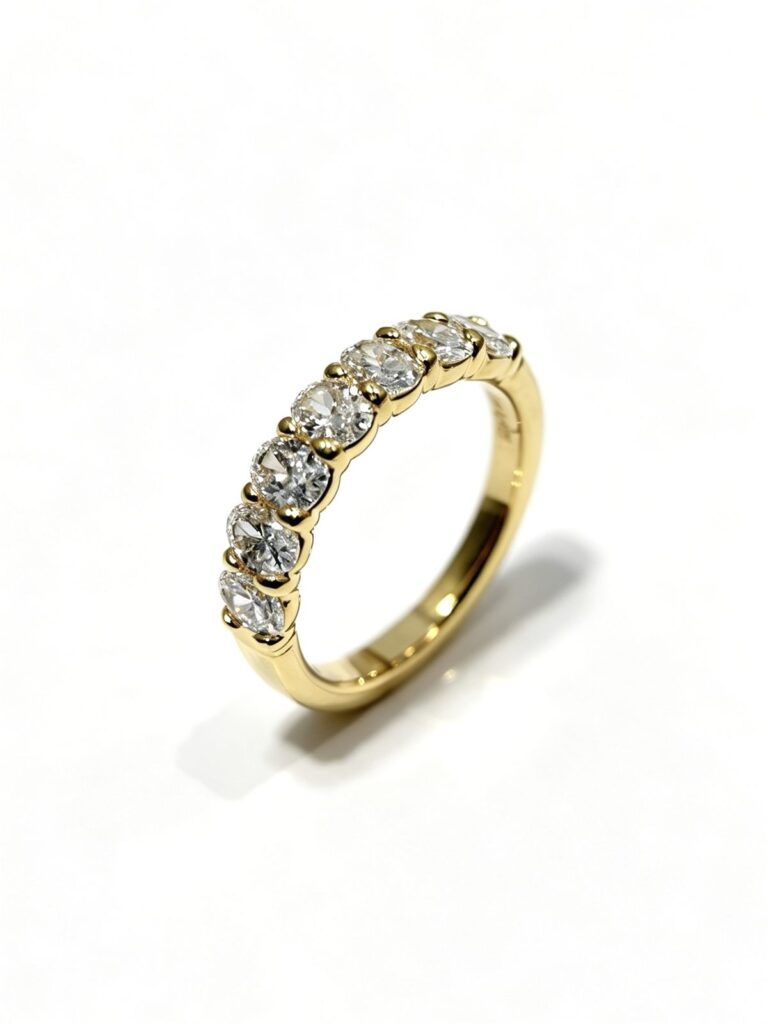
A useful jewelry design brief turns taste into decisions a workshop can quote and build. It does not need to begin as a technical drawing, but it must identify the product, customer, non-negotiable features, adaptable features and commercial target.
Last updated:
Decision map
| Review area | What it changes or proves |
|---|---|
| Product | Category, dimensions, size range and wear context |
| Materials | Metal, stones, plating and skin-contact requirements |
| Appearance | Reference images, finish, logo and non-negotiable details |
| Commercial | Quantity by SKU, target position and destination market |
| Approval | Named approver, file format and revision method |
Open with the wearer and use case
State who the piece is for, how often it will be worn and what it must do. A daily ring, lightweight earring and occasional pendant have different construction priorities. Include the target retail position so engineering choices can be discussed against the intended market rather than in isolation.
Turn references into labelled instructions
Reference images are useful when each one has a note explaining what to take from it: profile, setting style, texture, proportion or clasp. Mark what must not be copied and what is only mood. Add front, side and back sketches when possible, even if they are simple.
Specify materials without hidden assumptions
Name the metal and fineness, plating colour, stone type, shape, size and quantity. If the stone grade or documentation is not fixed, ask for options rather than leaving the field blank. For chains, findings and backs, identify the preferred type and any allergy or market requirement that affects skin contact.
Define fixed and adaptable details
Separate the signature elements from details the workshop may adjust for strength, casting, setting or cost. This helps the engineer solve problems without erasing the design idea. Require proposed changes to be shown in the next CAD revision and approved before a sample is made.
Finish with the approval workflow
Name one person who can consolidate comments. Ask for numbered CAD revisions, a physical sample, written change lists and photographs of the approved piece. Record the packaging and labelling requirements before bulk production so they are not treated as an afterthought.
Use the decision in a real project
Keep the brief, approved CAD, sample comments and production specification in one record. For material choices, use the 925 silver specification guide; for stone documentation, review lab grown diamond certification. When the specification is ready, send it through the project contact page for a manufacturing review.
Frequently Asked Questions
Do I need a technical drawing to request custom jewelry?
No. Clear references and basic dimensions can start the discussion, but the missing technical decisions must be resolved and approved in CAD before sampling.
Should I include a target price in the brief?
Yes. A target retail or landed-cost position helps the workshop propose construction and material options that fit the project.
How many reference images should a brief contain?
Use only the images needed to explain distinct decisions, and label the feature taken from each one. A smaller annotated set is clearer than an unlabelled mood board.
Who should approve the jewelry design?
Use one named approver who consolidates commercial, design and technical comments into a single revision list.
Continue with the custom jewelry project guide to place this decision inside the full brief, CAD, sample and production sequence.
Recommended
 How do I design packaging that protects chains and earrings in transit?Custom Jewelry
 How do I vet a jewelry factory before placing a first order?Custom Jewelry
 What should a shipping policy for jewelry say?Custom Jewelry
 How do I choose a brand name and check it is not already used for jewelry?Custom Jewelry
 Should I pay a factory deposit by bank transfer or use an order-protection service?Custom JewelryHow do I photograph jewelry honestly so customers get what they see?Custom Jewelry