CAD vs Render vs Physical Jewelry Sample
925 sterling silver jewellery, set with lab grown diamonds and made in our own Shenzhen workshop.
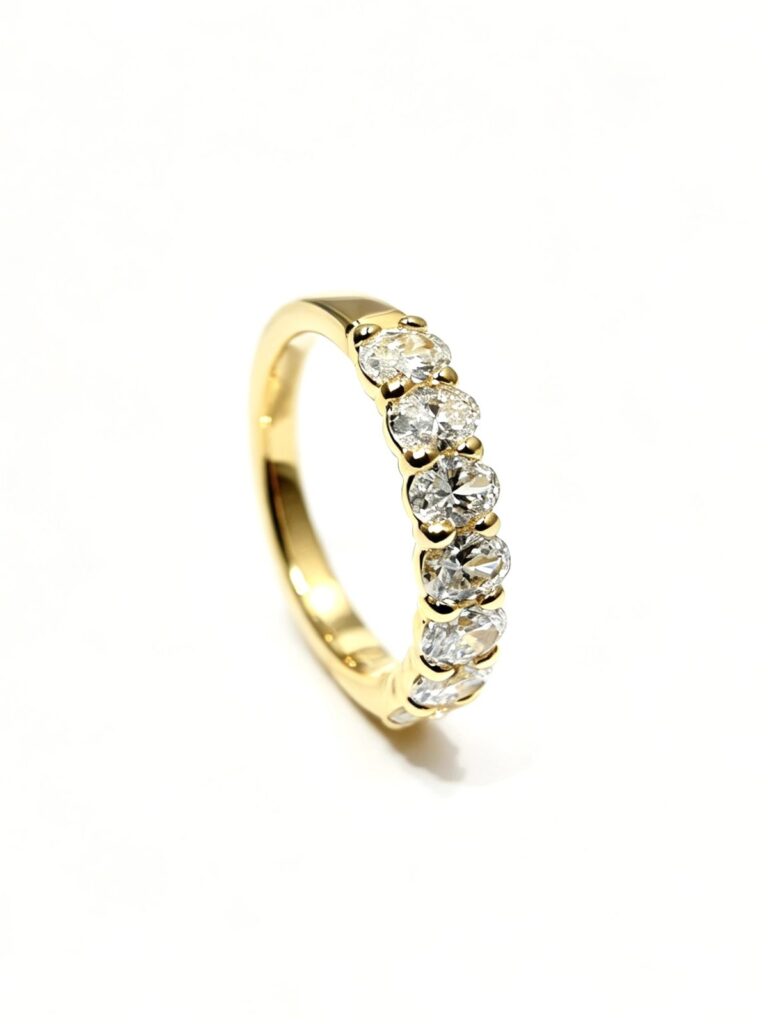
Jewelry CAD, a photorealistic render and a physical sample answer different questions. CAD defines geometry, the render communicates appearance, and the sample confirms how the object works in metal. None of the three should be treated as a substitute for the others.
Last updated:
Decision map
| Review area | What it changes or proves |
|---|---|
| CAD model | Dimensions, construction and stone layout |
| Rendered image | Colour, proportion and presentation direction |
| Physical sample | Comfort, movement, finish and finding function |
| Written specification | Metal, stones, tolerances, plating and packaging |
| Approval record | Exact revision released to production |
What CAD can prove
A CAD file can show wall thickness, stone seats, setting layout, clearances and major dimensions before metal is cast. Review it with dimensions visible. A beautiful angle without measurements is not a complete production approval. Check the side view, underside, openings, connection points and any surface that will contact skin.
What a render can and cannot prove
A render is useful for comparing design direction, stone arrangement and finish colour. It cannot prove weight, balance, comfort, clasp tension, polish quality or the real colour of plating under different light. Treat it as a communication image connected to the CAD revision, not as evidence that the finished piece has passed inspection.
Why the physical sample is the final gate
The sample converts the digital decisions into an object that can be worn and handled. Check that the ring sits correctly, the earring post and back engage, the pendant clears its chain, or the bracelet articulates without catching. Inspect prongs, edges, solder joins, symmetry and areas where polishing tools have limited access.
Mark every revision clearly
A request such as “make it slightly smaller” is easy to misapply. Use a revision number, date and short change list. When the next CAD or sample arrives, close each item against that list. The final purchase order should name the approved CAD revision and sample rather than referring to the latest file in an email thread.
Keep visual and measurable standards together
Photograph the accepted sample from consistent angles and record the measurable requirements beside it. Colour and surface finish need visual references; dimensions and stone sizes need numbers. Together they form a practical baseline for production inspection and future reorders.
Use the decision in a real project
Keep the brief, approved CAD, sample comments and production specification in one record. For material choices, use the 925 silver specification guide; for stone documentation, review lab grown diamond certification. When the specification is ready, send it through the project contact page for a manufacturing review.
Frequently Asked Questions
Is a jewelry render enough to start production?
No. A render communicates appearance but does not confirm dimensions, fit, function or the finish on a real object.
Should CAD be approved before a sample is made?
Yes. Approving measured geometry first prevents avoidable sample revisions and establishes which digital revision the sample represents.
What should be checked on a physical jewelry sample?
Check comfort, dimensions, weight and balance, stone security, edges, clasp or finding function, finish, hallmark and packaging fit.
Can a CAD approval be changed later?
Yes, but the change should create a new numbered revision and may require a new sample or cost review before production.
Continue with the custom jewelry development process to place this decision inside the full brief, CAD, sample and production sequence.
Recommended
 How do I design packaging that protects chains and earrings in transit?Custom Jewelry
 How do I vet a jewelry factory before placing a first order?Custom Jewelry
 What should a shipping policy for jewelry say?Custom Jewelry
 How do I choose a brand name and check it is not already used for jewelry?Custom Jewelry
 Should I pay a factory deposit by bank transfer or use an order-protection service?Custom JewelryHow do I photograph jewelry honestly so customers get what they see?Custom Jewelry